
Iran’s Missile Range Shift and Threats to US Bases Raise Security Fears Across Europe
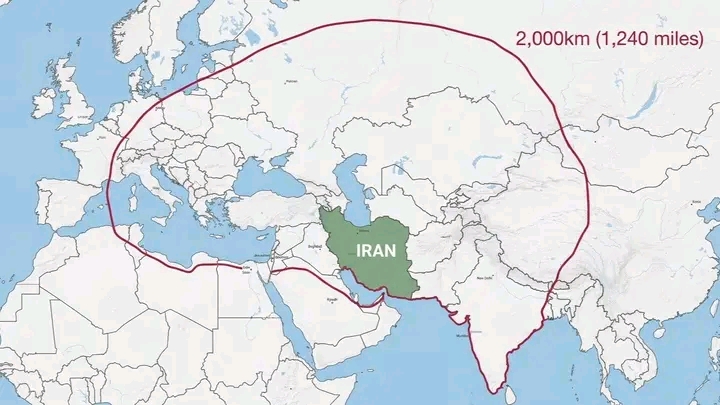
Iran’s decision to lift its self-imposed 2,000-kilometer limit on ballistic missile range, followed by increasingly direct warnings against US military installations beyond the Middle East, is raising new security concerns across Europe.
The developments have unfolded in a series of events over recent days.
On November 7, Iran’s Islamic Revolutionary Guard Corps announced that the country had lifted its previously declared 2,000-kilometer restriction on ballistic missile range. The announcement raised concerns about Tehran’s willingness to develop or employ longer-range capabilities, although it did not establish that Iran currently possesses operational missiles capable of striking every European country
On November 9–10, US aircraft began leaving RAF Mildenhall in Britain, with multiple refueling aircraft and Ospreys relocated to other bases across Europe. Reports linked the movement to an Iranian threat, prompting heightened security measures at US installations in Britain.
On November 11, Iranian security official Mohsen Rezaei issued a direct warning that US military bases in Europe could become targets if American aircraft were used to launch attacks against Iran. He said Tehran would not limit its response to bases in the Middle East
On November 13, security forces at RAF Lakenheath responded to suspected unauthorized drone activity, triggering an alert at one of the most important US fighter bases in Britain. The US Air Force later confirmed that the incident had been resolved, with no injuries or damage to aircraft or infrastructure. Authorities have not identified who operated the drones.

Meanwhile, a separate alleged plot targeting RAF Fairford has added to concerns about the security of American military facilities in Britain. US prosecutors have charged three men over alleged preparations connected to the September incident, with investigators examining suspected links to an Iran-aligned network. The allegations have not yet been established in court.
Taken together, these developments point to a widening security dimension in the US-Iran confrontation. Europe is increasingly being drawn into the equation—not because an Iranian attack on European territory has been confirmed, but because US bases across the continent are now being openly mentioned in Tehran’s retaliatory warnings and are facing heightened security scrutiny.
The distinction remains critical: Iran has threatened bases used in attacks against it, but there is no public confirmation that Tehran was responsible for the suspected drones at RAF Lakenheath
