Is a Zambian farmer not worth protection?
theCitizen Comment
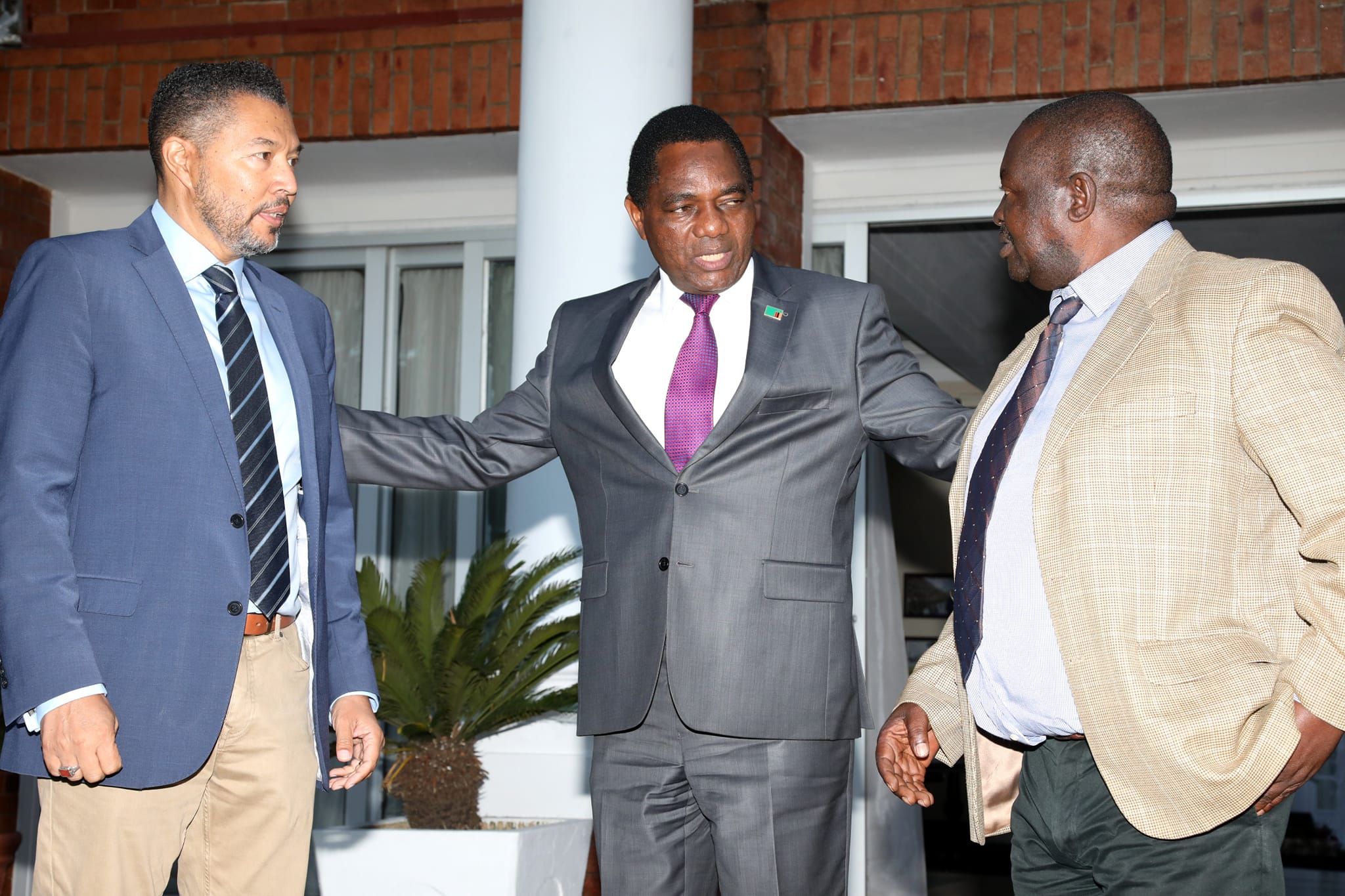
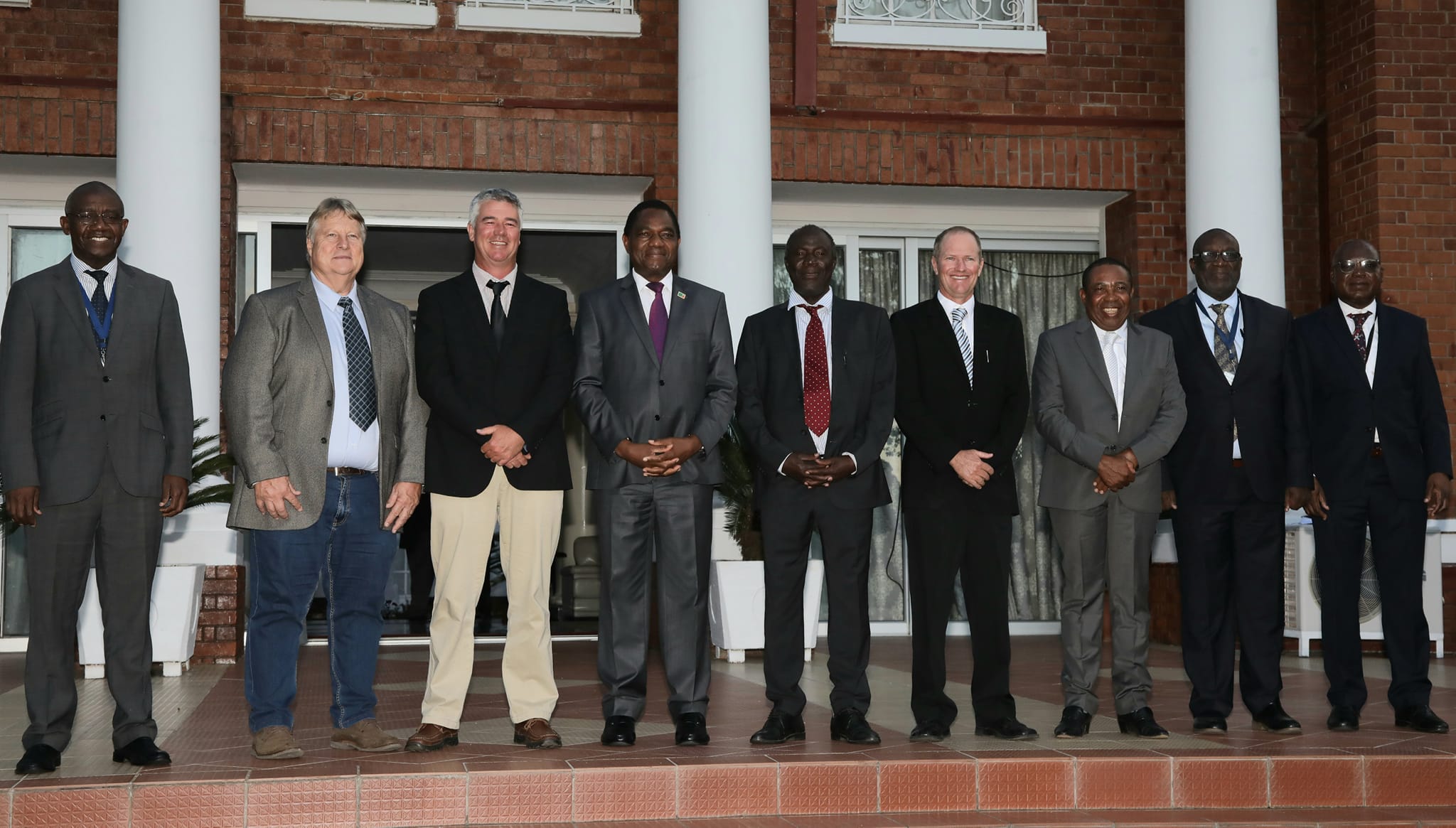
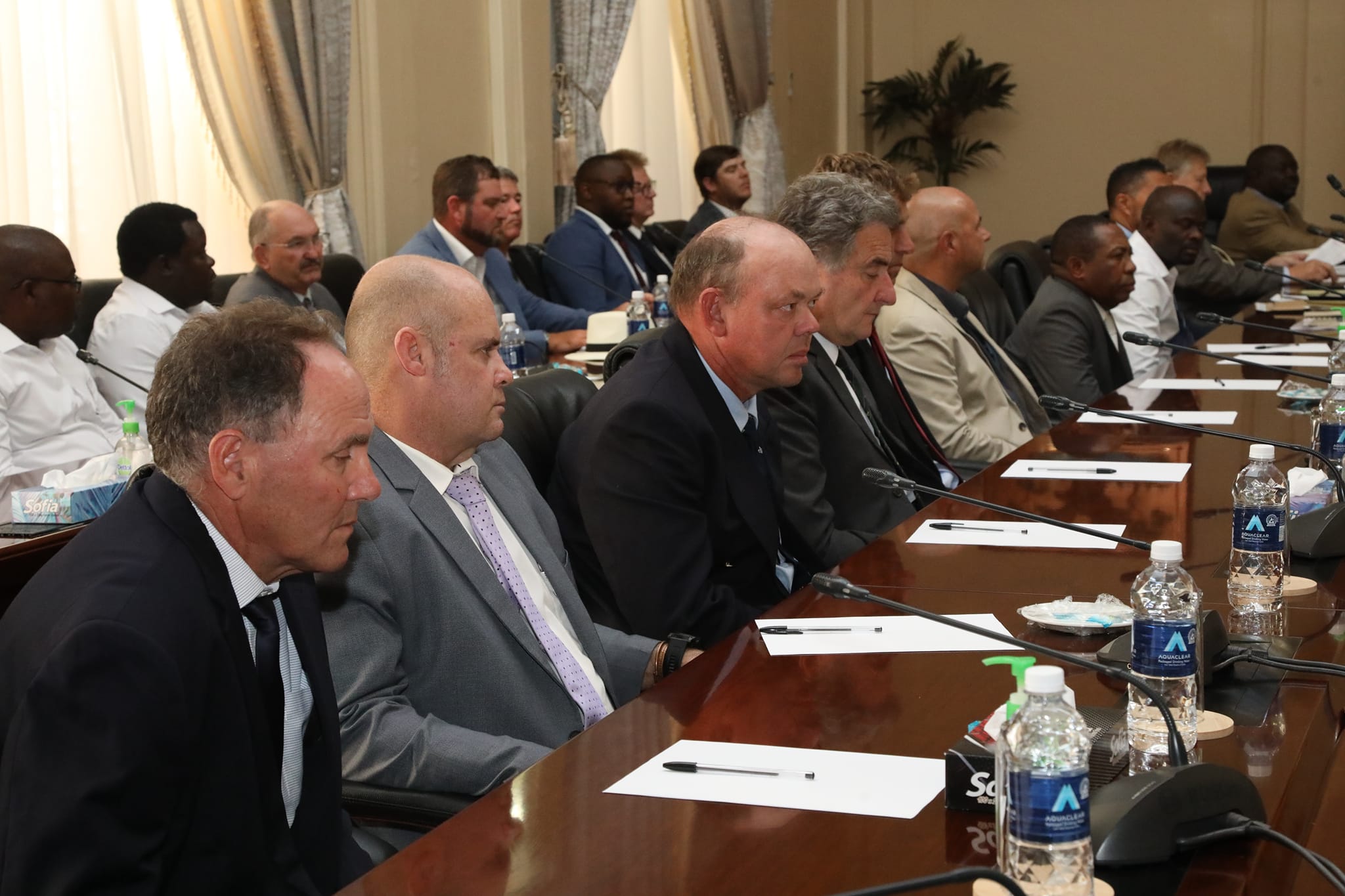
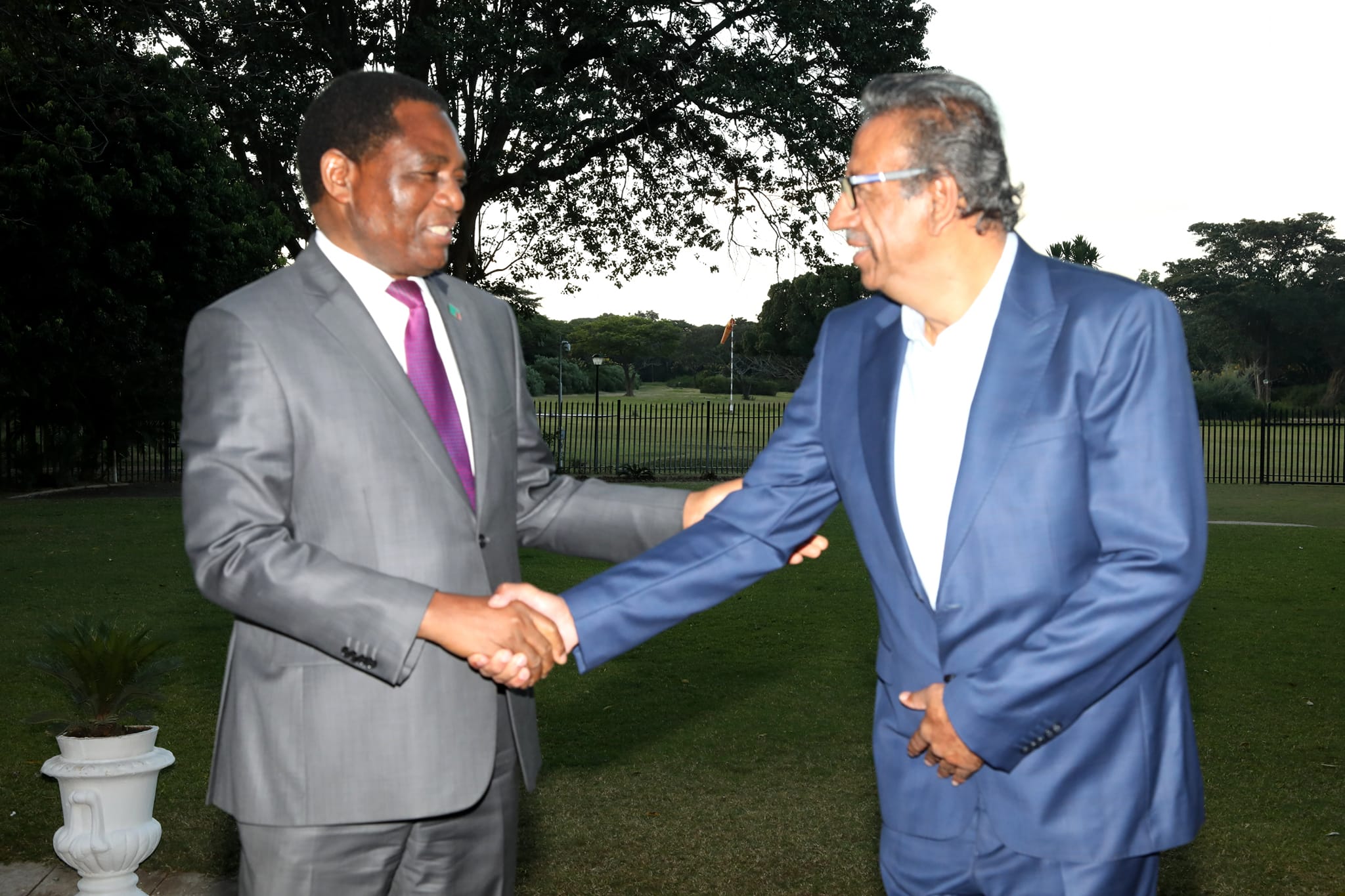
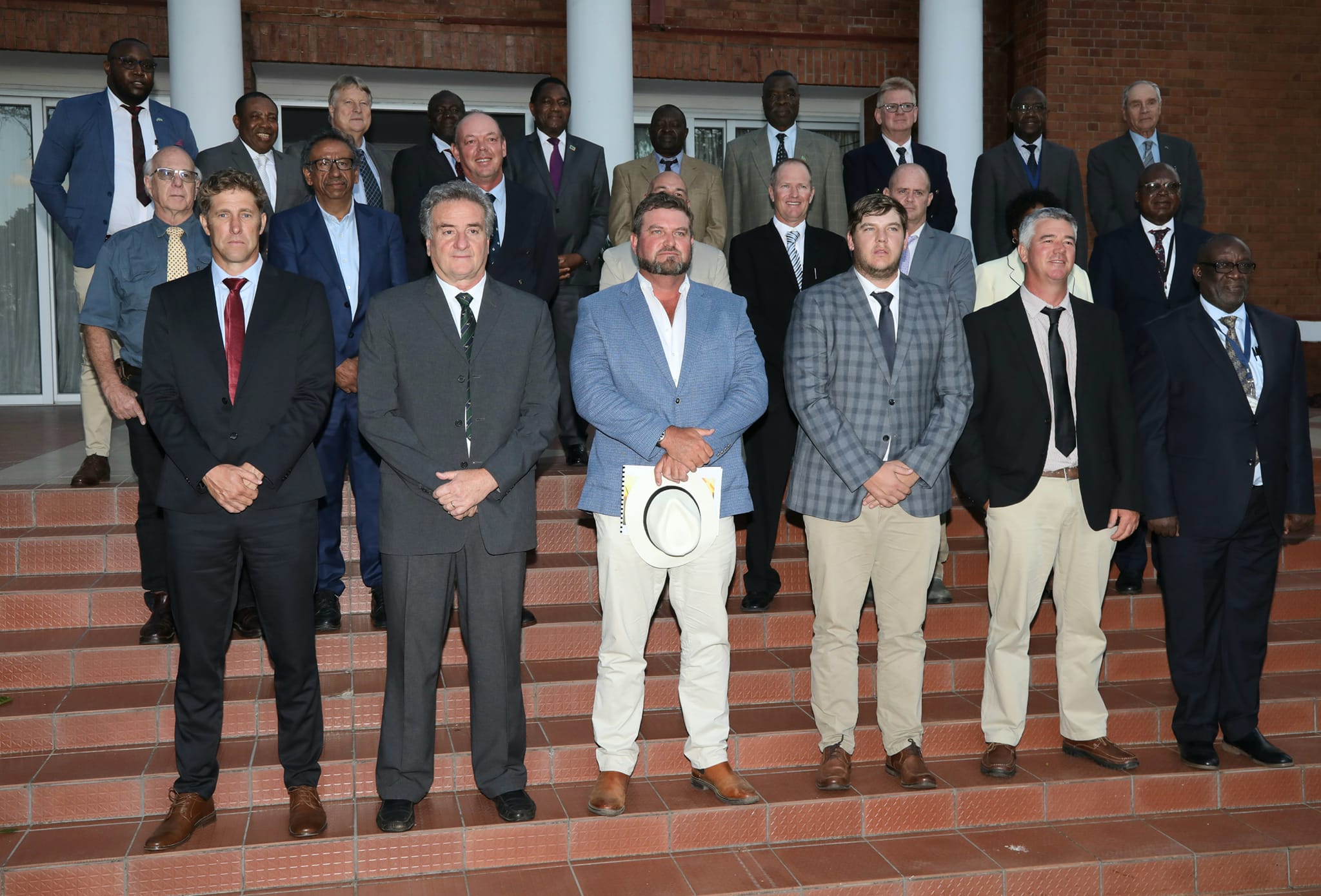
Yesterday, President Hakainde Hichilema hosted a horde of exploitative industrialists, the Grain Producers and Traders of Zambia comprising the Zambia National farmers Union, Grain farmers, Grain Traders, and Water Harvester Associations. These are members of Oil Seed stakeholders in Zambia, and this is a group that is at the centre of exploiting farmers in this country. Farmers spend a lot of money, time and labour to grow crops and when they harvest, this is a group that reaps them off, year in, year out by buying such produce and paying masese.
With obscurity on the agenda of the meeting which this group had with President Hichilema, we can only speculate as to what they discussed about. What we know as a matter of fact is that these characters who went to meet the President are heartless capitalists. They suck from the hard work of poor farmers in this country. With the rain fed crop yielding period bound, it is likely that these characters are on the move to lobby for policies that will oil their interests against majority Zambian farmers.
In the previous farming crop yielding period, we saw, for example how these capitalists manipulated prices of commodities, to disadvantage farmers while government watched without care.
If truly, the government represents the interests of majority farmers in this country, they can dictate prices of all farming commodities, in the same way, they regulate the fares in the transport sector. Why is it that government easily allows price manipulation in farming whereby, exploitative industrialists are free to manipulate prices at will?
In the 2021/2022 farming season soya beans production was at 475,353 metric tonnes and government was only buying 1,500 at K11.50 per kilogram leaving 473,853 for industrialists to buy. These industrialists decided to buy soya beans at as low as K4 per kilogram. This means, over 90% of the produced soya beans was being sold at extremely low prices by farmers.
Government did not intervene to regulate – or better still – put price index on farming products in the same way they do in other sectors of the economy. While these capitalists were giving farmers less money, the Tanzanian government was in need of 1 million metric tonnes of soya beans, offering $100 per 50kilogram and was willing to mop out all the soya beans in Zambia.
If indeed this government serves the interest of the people, it could mop out all the soya beans and offer farmers even more, and then, sell what they do not need to Tanzania and Congo which are ready to buy. But why doesn’t government do this? Because the government protects the interests of these capitalist groups and not farmers. If the government is interested in seeing farmers get a better deal from private buyers, all they have to do is allow exports. These exports need to be done in such a way that government is fully involved, and in this case, is the broker which buys from farmers and exports to countries in need of whatever farming commodities.
This could give farmers more income for their produce and would push the oil seed stakeholders to buy farming produce at the right price. For many years now, these exploitative capitalists have argued that if exports of farming products are allowed, it would push them to increase prices of commodities which they produce from the farming commodities. But when you look at the prices of animal feed, for example, they are high. Regardless of how much low prices they acquire farming commodities from farmers, finished products are always expensive. What is the point of continuing to cushion these capitalists? Is a farmer not worth government protection and love?
We hope that meeting which President Hichilema had with those capitalists is not about reaping off farmers, even this year. We shall wait and see.