
IS ZAMBIA ENGAGED IN A SILENT TRADE WAR WITH SOME NEIGHBOURING COUNTRIES ?
By JERRY MUNTHALI
The recent months have been filled with escalating tensions between Zambia and some of its neighboring countries, and as a journalist, diplomat, and international business expert, my instincts have been awakened. It is crucial for us to be informed about these events, which could potentially lead to a silent trade war brewing between Zambia and its neighbors.
First, let us understand what a trade war is. In simple terms, it is a retaliatory action taken by one country against another by imposing restrictions or raising import tariffs.
These actions often have adverse effects on the economies of both nations involved.
In August of this year, the Democratic Republic of Congo (DRC) imposed a 12-month ban on importing goods such as beer, soft drinks, lime, earthenware, and tiles from Zambia.
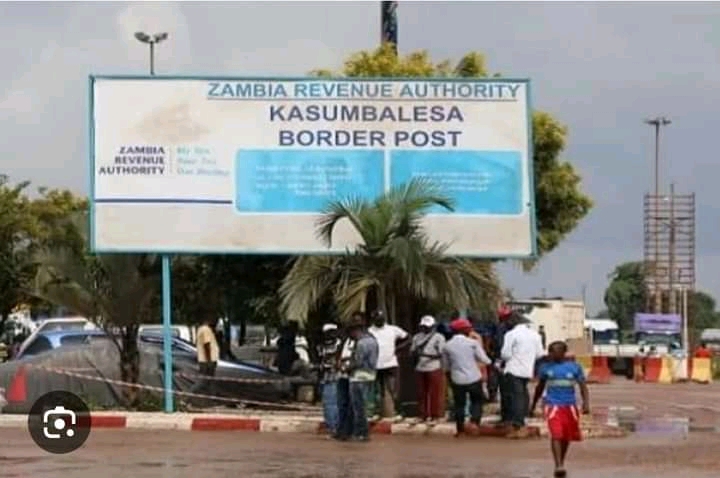
In retaliation, Zambia closed three of its borders with the DRC. The Zambian government defended its actions by stating that the riots and looting in the frontier towns of the neighbouring country had caused insecurity along the border.
After diplomatic discussions, the issue was resolved, and trade between the two countries seems to have normalized. However, this incident serves as a reminder of the delicate balance that must be maintained in international trade relations.
In the same month of August, operators responsible for trucking fuel to Zambia’s Copperbelt region started avoiding Zimbabwe due to a newly imposed duty to combat in-transit theft of tanker cargo. Additionally, the rigid cargo scanning regime instituted by the Zimbabwe Revenue Authority (ZIMRA) has become another non-tariff barrier (NTB) for trade, causing cross-border operators to shy away from a transit that has reverted to past problems such as bad congestion. This has also resulted in disruptions in the supply chain, leading to fuel shortages in Zambia.
These events highlight the need for diplomatic tact and careful consideration to resolve such issues. As a country heavily reliant on imports, the disruption of supply chains can have severe consequences for Zambia’s economy. The use of NTBs and retaliatory actions could also harm the already-existing trade agreements and partnerships between the countries involved.
It is crucial for the authorities to address these issues promptly, through dialogue and cooperation. The use of diplomatic channels and finding mutually beneficial solutions is essential in maintaining peaceful and prosperous trade relations between Zambia and its neighboring countries.
In conclusion, the recent events between Zambia and its neighboring countries serve as a reminder of the fragility of international trade relations. The use of retaliatory actions and non-tariff barriers can have detrimental effects on the economies and partnerships between nations. It is vital for the authorities to address these issues with diplomatic tact, understanding, and a focus on finding mutual solutions, rather than escalating tensions. Let us hope that these incidents serve as a lesson for future trade negotiations, where both parties can benefit and thrive.
The author is a journalist , former diplomat and holds a Master of Business Administration -MBA with a major in International Business Management .