By Isaac mwanza
INTRODUCTION
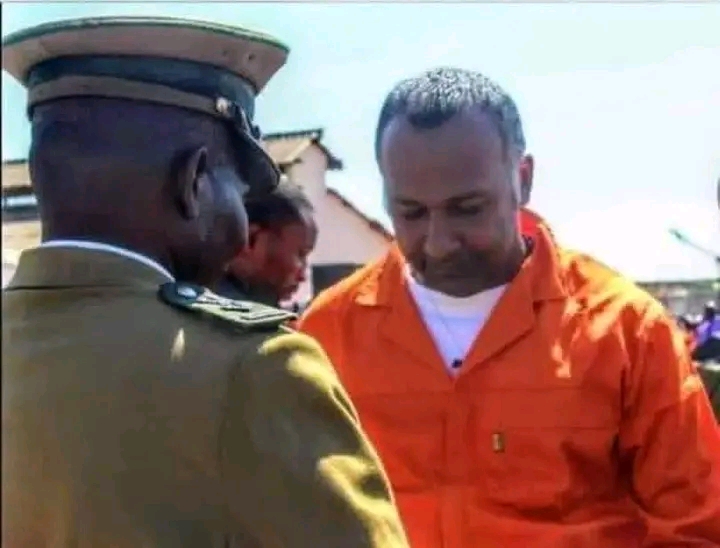
Following my earlier posting explaining why Mr. Mathew Mohan may not qualify to run for office until after 19th or 20th August, 2026, having been released from prison pursuant to the President’s exercise of the prerogative of mercy through remission (which some have loosely referred to as a “pardon”), I have noted that many learned colleagues like Kaluba Bright have expressed dissenting views. And my good friend, NDC President Saboi Imboela – SI insisted I do the follow up article. That is healthy and welcome in a constitutional democracy.
However, before engaging in further legal debate, we must first clarify a foundational point:
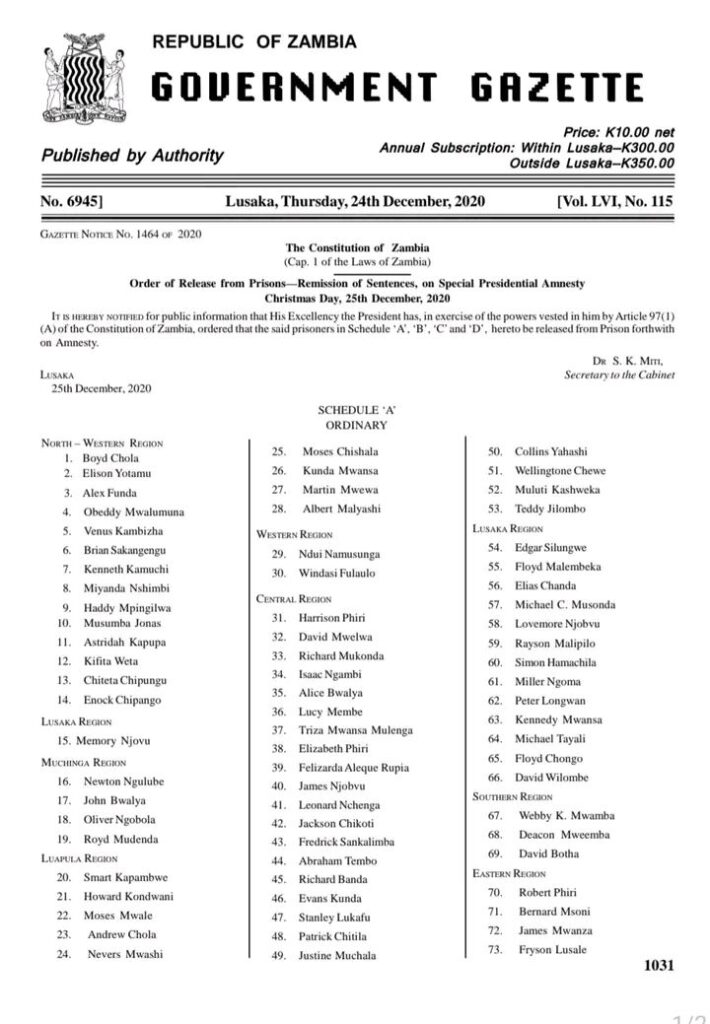
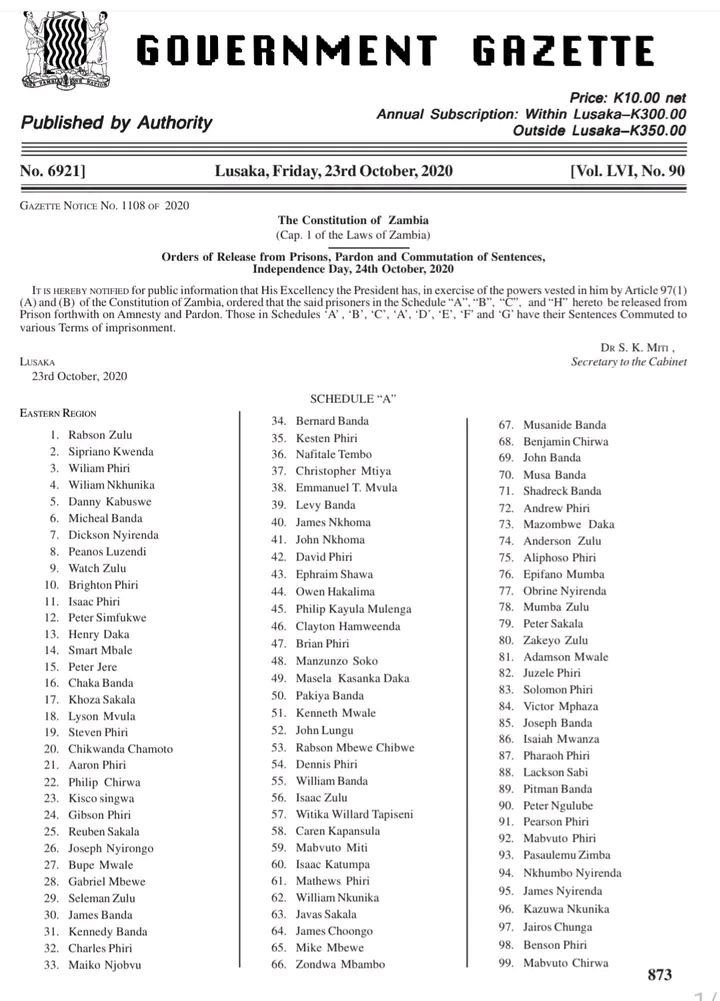
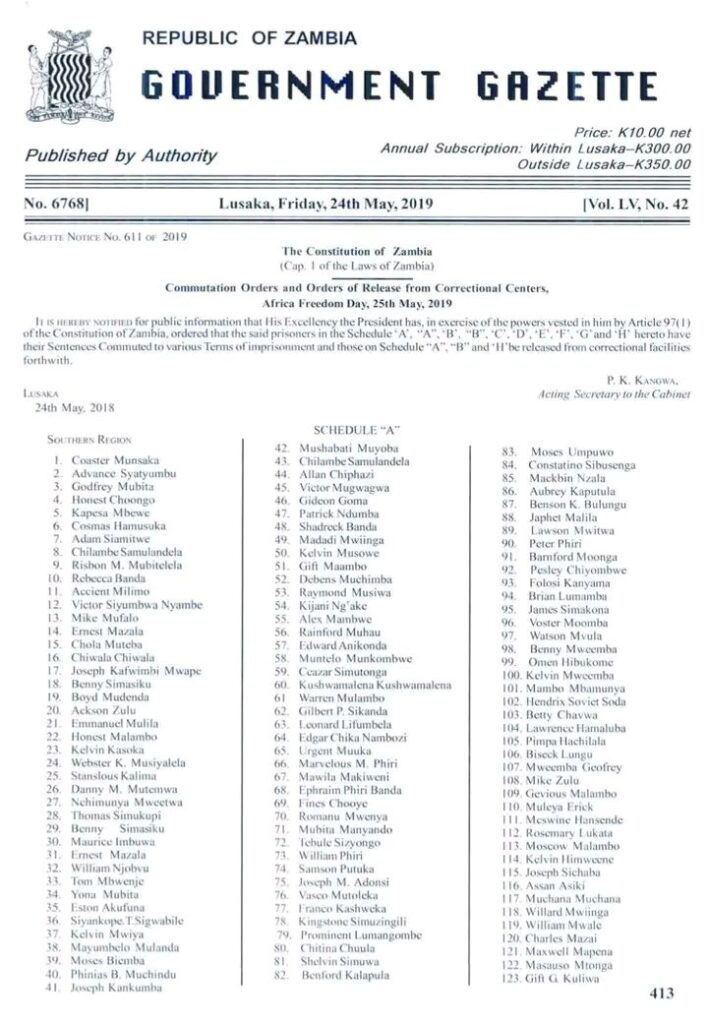
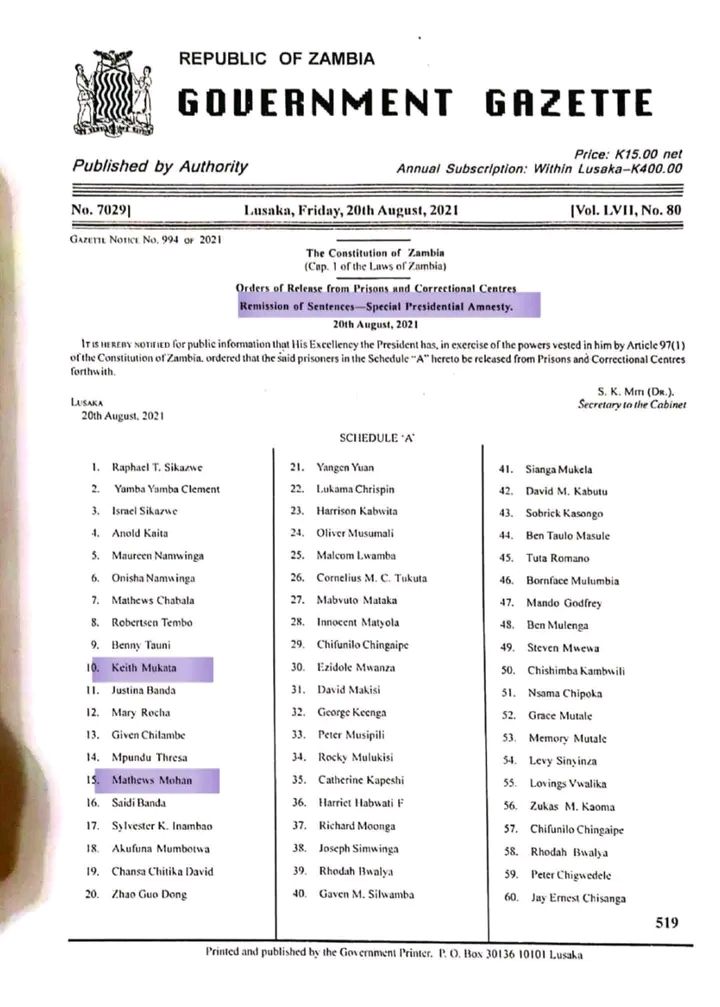
Whenever the President of the Republic of Zambia exercises the prerogative of mercy, whether by pardon, commutation, substitution, or remission, the decision is formally published in the Government Gazette. This publication serves a public legal function: it makes clear, in its heading, the nature of the mercy granted, including whether it is a pardon (conditional or unconditional), remission, or another form of clemency. In addition, the released inmate is issued with a formal release order specifying the legal basis of release.
From the various Gazette Notices that I have displayed here, it is evident that Mr. Mohan, Mr. Keith Mukata, Mr. Chellah Tukuta and others were released on the basis of remission of sentence, not an unconditional pardon.
The suggestion that there was an unconditional pardon should therefore be put to rest on the strength of this official and public documentary evidence.
With that clarification, we can now turn to the constitutional question under Article 70(2)(g).
MEANING AND IMPLICATIONS OF ARTICLE 70(2)(g)
Article 70(2)(g) of the Constitution of Zambia provides:
“A person is disqualified from being elected as a Member of Parliament if that person has, in the immediate preceding five years, served a term of imprisonment of at least three years.”
This provision creates a constitutional disqualification based on two essential elements:
1. The person must have been sentenced to a term of imprisonment of at least three years; and
2. That term must have been served (wholly or partly) within the five years immediately preceding the election.
The key legal point is that the Constitution refers to “served a term of imprisonment of at least three years.” This refers to the judicial sentence imposed by the court, not merely the period physically spent in prison after remission or early release.
As an example, let’s assume that:
1. A person is sentenced to three years’ imprisonment.
2. Due to remission or good behaviour, that person serves two years and nine months.
3. The person is released on 20 August 2021.
4. The general election is scheduled for 13 August 2026.
To determine eligibility, we calculate the five-year constitutional window:
(a) The “immediate preceding five years” from 13 August 2026 runs back to 13 August 2021.
(b) The individual was still serving the three-year sentence until 20 August 2021, which falls within that five-year window.
Therefore, (i) the person had been sentenced to a term of imprisonment of at least three years; and
(ii) that sentence was being served within the five years immediately preceding the election.
The constitutional disqualification is therefore triggered.
WHY REMISSION DOES NOT REMOVE THE DISQUALIFICTION
As was held in the case of Wilfred Luwaile v Attorney-General by the ConstitutionalCourt, remission does not erase or nullify the original sentence. It merely reduces the custodial period. The sentence imposed by the court remains three years. There is an important legal distinction between:
1. The sentence imposed by the court, and
2. The actual time physically spent in custody.
Article 70(2)(g) is concerned with the former: the term of imprisonment imposed. Remission shortens time in prison, but it does not convert a three-year sentence into a lesser sentence.
If there had been an unconditional pardon, the legal consequences may be different. But the Gazette evidence shows remission of Mr Mohan and others, not unconditional pardon.
CONCLUSION
In simple but legally accurate terms:
If a person is sentenced to three years’ imprisonment, and that sentence was being served within five years before an election, that person is constitutionally disqualified from being elected as a Member of Parliament — even if remission resulted in less than three full years being physically spent in prison.
I wish to make it clear that I harbour no ill-will whatsoever against Mr. Mohan or against anyone who is released from prison. On the contrary, Mr. Mohan has demonstrated how deeply he loves Kabwe and, like any citizen, he has a right to aspire to leadership and to participate in public life. My concern is not personal; it is constitutional. The issue is fidelity to the clear text of Article 70(2)(g). Where the Constitution sets a standard, our duty as citizens and lawyers is to interpret and apply it faithfully, regardless of personalities or political sympathies.





Excellent legal opinion Mr. Isaac Mwanza.
He’s just a criminal, he served a sentence, very cold stone bad person, unaliving a soul, no one has a right to take away someone’s life, wound feels fresh, sad
Why was the convicted Photo journalist even cinsidered for duplomatic service? One would have thought that the country were that person would have been serving would have vetted the individual?
Its now inevitable that the man just went an embarassed the nation.
This should be a lesson to future governments. Dont employ people with a criminal record to positions that expose the state.
No one who has been to prison must be allowed to take up public office. Its not like we dont have others who cannot do the same job yet have never broken the law.