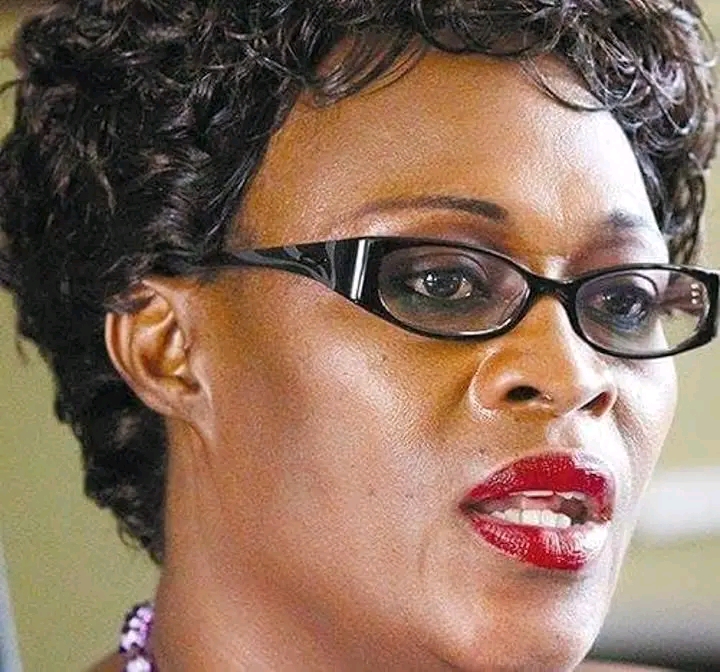

MUMBI PHIRI’S REMARKS SPARK TRIBALISM DEBATE AHEAD OF 2026 POLLS
Recent remarks by former Patriotic Front (PF) Secretary General Mumbi Phiri, suggesting an ideal opposition presidential ticket based on regional origins, have ignited a national conversation on tribalism and its role in Zambian politics ahead of the August 2026 general elections.
Ms. Phiri was quoted in a local publication advocating for a Bemba presidential aspirant to select a running mate from the Eastern Province as a strategy for the opposition to defeat the ruling United Party for National Development (UPND) in the upcoming polls. These comments have been widely viewed as tribal and discriminatory.
The National Restoration Party (NAREP) President, Ezra Tikwiza Ngulube, condemned Ms. Phiri’s suggestion, stating that tribalism is primarily “perpetuated by politicians to advance their agenda.”
“Our Mother Mumbi Phiri was not supposed to come out that way,” said Mr. Ngulube, a former UPND Alliance Spokesperson and current UPND Alliance Council of Presidents Secretary. “Zambia is not the East or the North, Central or Northwestern.”
Mr. Ngulube argued that widespread intermarriages complicate discussions around tribalism, noting his own family ties across North-Western and Western provinces. He asserted that Zambians prioritize a candidate’s ability to deliver development over their regional origin.
Echoing this view, Community Advocate and Teresa Heart Foundation Executive Director Manga Chibesa Kambole suggested that tribalism exists “just on paper and not among the younger generation,” many of whom are “mixed breed” and do not speak their mother tongues
Ms. Kambole, who is both Bemba and Lozi, stated she has not experienced tribalism “to the magnitude that it can even be recorded.”
However, Disability Rights Advocate Steven Jethro Phiri expressed concern over what he termed an “emerging trend of Tribalism” that risks dividing cultural and social norms. He acknowledged that tribal identity is part of cultural identity but insisted it “must not be used to discriminate or favor a particular group.”

As stakeholders weigh in, there is a perception that tribalism is largely confined to “few individuals with vested interest to advance particular agenda based on emotions” rather than being a widespread societal issue.
Political parties are currently preparing their manifestos, with increased scrutiny on politicians to present a unifying message to the Zambian electorate.