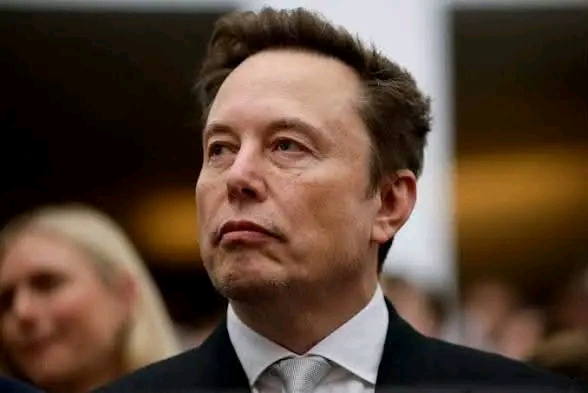

MUSK’S $445 MILLION REPUBLICAN PUSH HAS CONSEQUENCES FOR UKRAINE—BUT VOTERS STILL DECIDE
Elon Musk has contributed more than $445 million to Republican-aligned political groups this election cycle, according to WIRED’s analysis of Federal Election Commission filings, making him the largest known individual donor in the midterms.
His America PAC received more than $76 million in the first two weeks of October alone. Its spending includes millions supporting Republican Ken Paxton and attacking Democrat James Talarico in Texas’s closely contested Senate race.
For Ukraine, this political spending matters because control of Congress affects whether assistance reaches a vote, how funding is scrutinized and whether lawmakers challenge decisions made by the White House.
Musk’s public criticism of Kyiv and his defense of restrictions on Ukraine’s satellite access have already raised questions about his position toward the country. His financial backing of Republicans adds another dimension: substantial resources supporting the party currently controlling Congress while Trump has largely halted direct American financial and military assistance to Ukraine.
Republicans are divided on that policy. Some oppose further assistance; others continue supporting Ukraine and have challenged Trump’s approach to Russia. The consequence of Musk’s spending must therefore be assessed through the candidates it helps elect and the decisions they make—not an assumption that every Republican holds the same position.
The money buys advertising, canvassing and voter outreach. It cannot guarantee the result.
Texas illustrates that distinction. An October Marist poll put Talarico at 47 percent and Paxton at 45 percent among likely voters, within its margin of error. Other surveys have also shown a competitive race. That concerns the Senate contest; it does not mean Democrats lead every statewide race.
National polling has likewise shown a Democratic advantage heading toward November 3. Those numbers do not establish that Musk’s spending has failed—without it, Republican candidates might be performing differently—but they demonstrate that enormous financial backing does not make an election inevitable.

For Ukraine’s supporters, the stakes are concrete: congressional votes can help sustain weapons deliveries, approve assistance and hold the administration accountable.
Hundreds of millions of dollars can amplify a political campaign. The authority to choose the representatives casting those votes still belongs to American voters.