NJOBVU SAYS ZAMBIA MUST PRIORITIZE GDP GROWTH OVER CONSTITUENCY DELIMITATION
Democratic Union (DU) President Ackim Antony Njobvu has called for a national refocus on economic expansion, arguing that Zambia’s most urgent need is growing its Gross Domestic Product (GDP) rather than increasing the number of constituencies under the ongoing delimitation discourse.
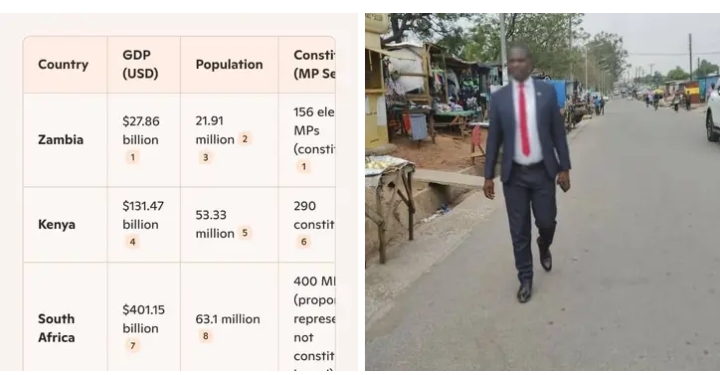
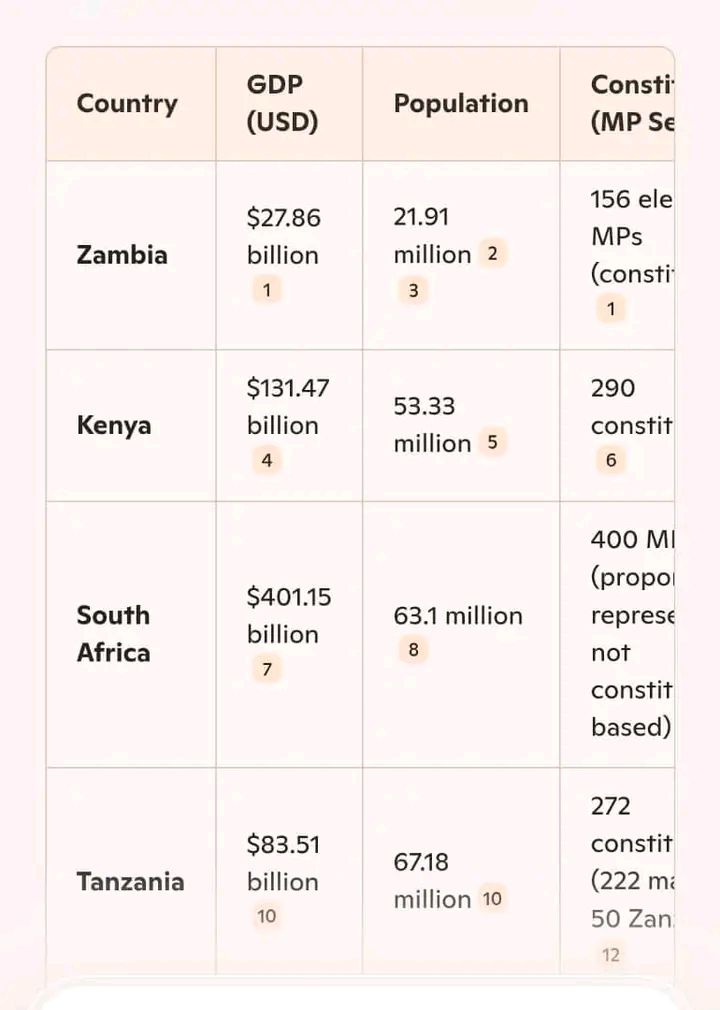
In a strongly worded statement, Njobvu said the renewed push for constituency delimitation particularly proposals to add more constituencies fails to reflect Zambia’s current economic realities. He noted that the country’s GDP and population size do not compare favourably with regional and global peers that have far larger economies but operate with similar or even fewer parliamentary seats.
According to Njobvu, the comparison reveals a structural imbalance that should caution policymakers against increasing administrative costs at a time when public resources are already strained.
“GDP Growth, Not More MPs, Should Be the Priority”
Njobvu argued that expanding political representation without simultaneously expanding economic capacity risks placing a heavier burden on the national treasury. He stressed that what Zambia needs now is not more constituencies but deliberate strategies to stimulate economic growth.
“We cannot have the same number of MPs and constituencies as countries whose populations and GDPs are three to four times larger than ours,” he said. “Wisdom demands that we focus on growing our economy first. Only then can we justify increasing political structures that depend entirely on public resources.”
He emphasised that Zambia’s challenge is not the geographical size of constituencies but the persistent lack of fiscal capacity by government something he says has slowed development across communities.
The DU leader stated that many communities continue to face underdevelopment not because their constituencies are too large to manage, but because successive governments have struggled to generate adequate revenue to finance infrastructure, public services, and social development.
“It is not the vastness of constituencies that has stalled development,” Njobvu explained. “The core problem is the limited resources available to government. Delimitation will not suddenly produce more roads, schools, clinics, or jobs. Only economic growth can.”


He added that increasing the number of MPs would expand recurrent expenditure salaries, allowances, administrative costs and further strain a budget already weighed down by debt servicing, public sector wages, and essential social services.
Njobvu urged the UPND government to redirect their attention to sectors with high economic potential, including agriculture, mining value addition, manufacturing, and digital innovation. He noted that without tangible GDP growth, Zambia will remain dependent on borrowing, donor support, and unstable revenue streams.
He also warned that pushing delimitation amidst a fragile economic environment risks signalling misplaced priorities to citizens and international partners.
“At a time when families are struggling with high prices, youth unemployment remains high, and businesses are fighting to survive, our focus should be on rebuilding the economy,” he said. “Anything else is a dangerous diversion.”
Njobvu has passionately appealed to Zambia’s leaders to adopt a long-term, economically grounded approach to governance.

“Let us fix our economy. Let us grow our GDP. Once Zambia becomes stronger and more prosperous, we can then evaluate the administrative structures we need. For now, our duty is clear prioritize economic development over political expansion.”
©️ KUMWESU | December 11, 2025