
By Kellys Kaunda
WHAT’S GOING ON IN THE UPND GOVT COMMUNICATION ECOSYSTEM?
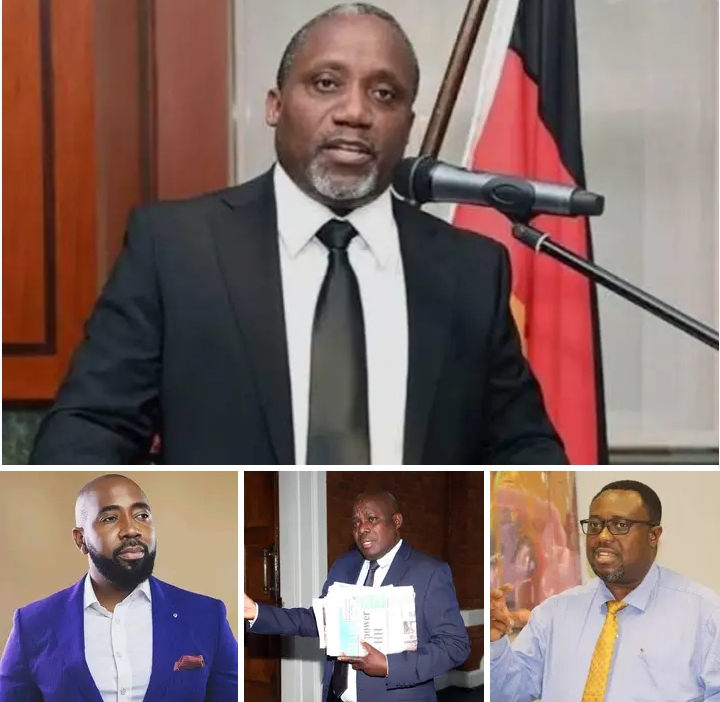
Jito Kayumba at State House produces videos based on government activities, programs and projects.
The method he employs is television journalism.
Jito is President Hichilema’s special assistant for finance and investment.
Henry Kapata is a Director at the Ministry of Information responsible for information.
Like Jito, he also utilizes television journalism styles to share what government is doing.
Strictly speaking, no matter how much you may love what these two officers do, this is not their job description.
And they shouldn’t be doing this no matter how much they love to do it or how good they may be.
This has created the wrong notion that the officers employed by government to specifically do this communication job are not doing their jobs.
But they are doing their jobs. You may not just agree with how effective they are.
It’s understandable. Opinions differ but they are doing their job. And let me explain how they are doing it.
From Clayson Hamasaka and Whitney Mulobelo at State House down to every public relations officer throughout government, everyone of these are journalists whose combined experience include print, radio and television
They can produce every kind of media product – feature articles, news items for radio and television and documentaries.
Some of them were television presenters and producers.
We are all familiar with their work. But they don’t do this because their current roles call for a different relationship with the media.
They are not journalists and presenters in their current roles.
They are public relations officers. They collect information belonging to their respective organizations, organizes it strategically and deliberately chooses who to share it with, release it through what kind of platforms, when and how.

To be effective in their current roles, they work on creating strategic relationships with the media, most of whom are their former colleagues and workmates.
No matter how tempting it might be to do the stories themselves, they can’t and they must not do other people’s jobs.
The moment you, as a government employee, begin to report the news directly like a reporter, you have fundamentally departed from your job description and you place your colleagues that are being professional in an awkward position.
The public may praise you but they will at the same time begin to wonder why the officers specifically employed to communicate are not communicating.
They think what you are doing is the right way of communicating.
In fact, some of your superiors who may not be professional communicators may begin to think your way is the right way.
That is not fair to those who know the right way.
When in government, you learn the art of using your influence to get the media to tell your story.
In fact, if you know the art of influencing other people, you could actually get your story told by others in a manner that might by far surpass yours.
Here is the undeniable truth: everything you know about this government, it’s the communication officers at State House and public relations officers in government, through the media, that are responsible.
And that’s how it ought to be.
Sometimes you just shut up and sit down
Is there any potential harm, or are they being disrespectful in their manner? Why are you becoming agitated? You can also express your views where you deem appropriate, rather than being a source of disturbance by seeking out issues that do not exist.Nonsense