
“Of Charms, Chameleons, and Presidential Perils: A Satirical Tale of Witchcraft and Politics in Zambia”
By Dr Lawrence Mwelwa
As the world races toward an era defined by artificial intelligence, space exploration, and groundbreaking medical innovations, Zambia has found itself at the center of a headline that seems ripped from the annals of medieval folklore. While nations unveil self-driving cars and quantum computers, Zambia’s Christmas offering to global newsfeeds is a courtroom drama involving chameleons, charms, and alleged witchcraft. The sheer absurdity of it all—the suggestion that ancient superstition could be weaponized against a modern head of state—has left many wondering if Africa’s progress is being overshadowed by relics of its past. This story, a bizarre collision of tradition and modernity, is as unsettling as it is emblematic of the challenges of bridging ancient beliefs with contemporary governance.
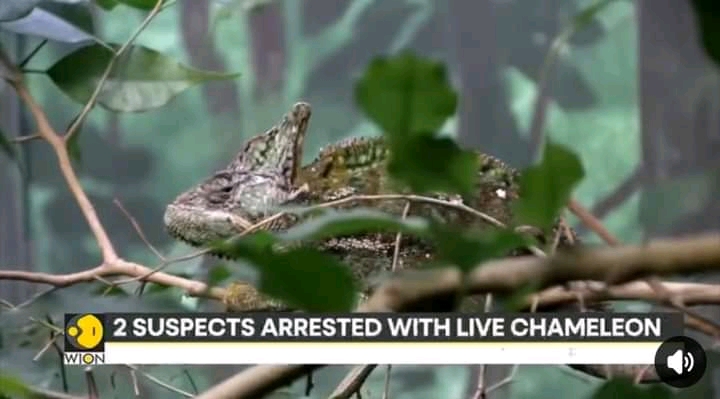
In a courtroom saga more fitting for a fictional thriller than a modern democracy, two traditional healers, Jasten Mabulesse Candude and Leonard Phiri, stand accused of plotting to harm President Hakainde Hichilema through supernatural means. Their supposed weapon of choice? A live chameleon and an assortment of charms, allegedly imbued with powers capable of bypassing state security. Candude and Phiri, however, have denied the charges, insisting they are certified traditional healers practicing their ancestral craft. “I admit I have the charms; that’s my work,” Candude boldly declared, as if defending the possession of gardening tools, not the alleged instruments of presidential doom.
Police investigations, with an apparent seriousness that borders on parody, claim the men were hired by Nelson Banda, a fugitive linked to opposition politics, to carry out the plot. Banda, reportedly the younger brother of a runaway MP, is said to have paid K16,500 upfront, with the promise of millions more upon the mission’s success. One is left to wonder if the chameleon, an unwilling participant in this alleged conspiracy, was given a down payment in insects for its role.
The charges, brought under Zambia’s Witchcraft Act, rest on the premise that the accused professed knowledge of witchcraft and possessed dangerous charms. This raises profound questions: How exactly does one discern a harmful charm from a harmless one? Did the police consult experts, perhaps even a rival witch doctor, to verify the accusations? Could this case, in its bizarre unfolding, be vindication for Professor Nkandu Luo, who once proposed a degree in witchcraft at the University of Zambia and was widely mocked for it?
Critics have pointed out the timing of this witchcraft spectacle, noting that Leonard Phiri is a popular political figure in Petauke, where a by-election looms. Is this a convenient effort to discredit a formidable opponent, cloaked in the absurd theater of superstition? If political rivals cannot be defeated at the ballot box, why not accuse them of plotting to harm the president with ancient magic? It’s a tactic so cynical it borders on genius.

Amid the farce, the absurdity reaches its peak when one considers the implications of the allegations. Are we to believe that a chameleon, an unassuming creature known for changing colors and clinging to branches, could single-handedly breach Zambia’s state security apparatus and bring harm to the president? One imagines the reptile, if it could speak, rolling its eyes and muttering, “You fools, I’m just a lizard.”
This story, with its surreal mix of superstition, politics, and satire, has done more than provide comic relief; it has served as a sobering reminder of the tensions between tradition and progress. While other nations celebrate advancements in science and technology this Christmas season, Zambia grapples with a narrative that feels more at home in ancient folklore. In this courtroom, we see the challenges of reconciling a modern state with the remnants of its cultural past—and perhaps a cautionary tale about the power of political narratives to weave even the most fantastical stories into the fabric of reality.