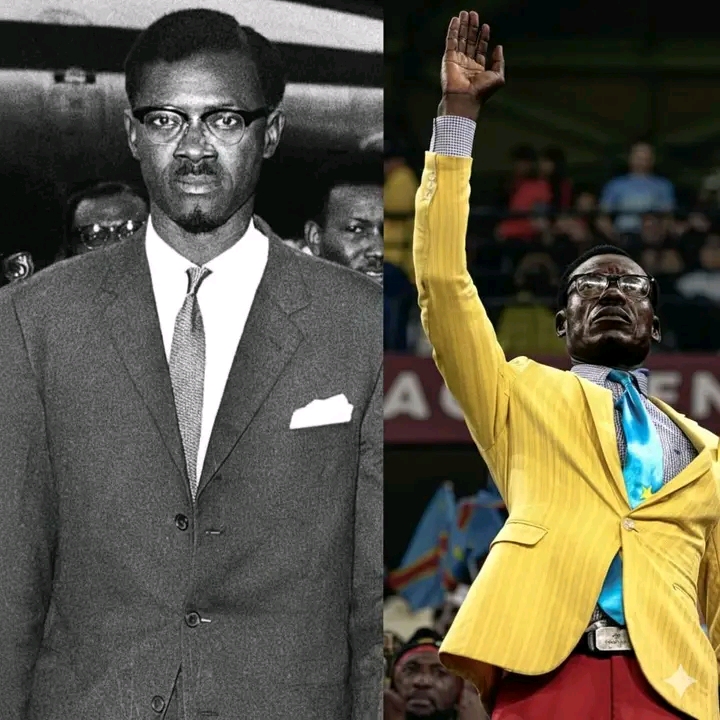

Patrice Émery Lumumba remains one of Africa’s most powerful symbols of resistance, dignity, and unfinished liberation.
Born in 1925 in what was then the Belgian Congo, Lumumba rose from modest beginnings to become a sharp-minded nationalist who refused to accept colonial rule disguised as partnership. As Congo approached independence, he emerged as a unifying figure, rejecting tribal divisions and demanding true sovereignty—not a handover that left Belgium and Western powers in control of Congo’s vast mineral wealth.
On June 30, 1960, during the independence ceremony, Lumumba stunned the world. Standing beside the Belgian king, he delivered a fiery, unscripted speech that exposed the brutality, exploitation, and humiliation of colonial rule. It was a moment of truth that electrified Africans—and terrified Western interests.

Within months, Lumumba was removed from power, arrested, and on January 17, 1961, brutally assassinated with the direct involvement of Belgian authorities and the complicity of Cold War powers who saw his vision of independence as a threat. His body was destroyed to erase evidence, but his legacy survived. Lumumba became a martyr of African liberation, inspiring generations across Africa and the diaspora. He represents the Congo that dared to stand tall, speak boldly, and demand respect.
It is deeply emotional reading the story of Patrice Émery Lumumba—a freedom fighter unjustly silenced for loving his country too fiercely. And only then does it become clear why the DR Congo fan, Michel Nkuka Mboladinga, popularly known as “Patrice Lumumba,” chose to stand like a statue throughout DR Congo’s AFCON matches.
That silent stance was not random. It was remembrance. It was mourning. It was resistance.
A human monument honoring a fallen hero, carrying history into a football stadium.
The gesture—quiet yet powerful—went viral because it blended symbolic protest, historical memory, and raw football passion. In that stillness lived pain, pride, and defiance.
Not just a fan.
Not just football.
But a nation remembering one of its greatest sons.