
EDITOR’S CHOICE – The Dangers of the Commercialization of Politics – Part 2
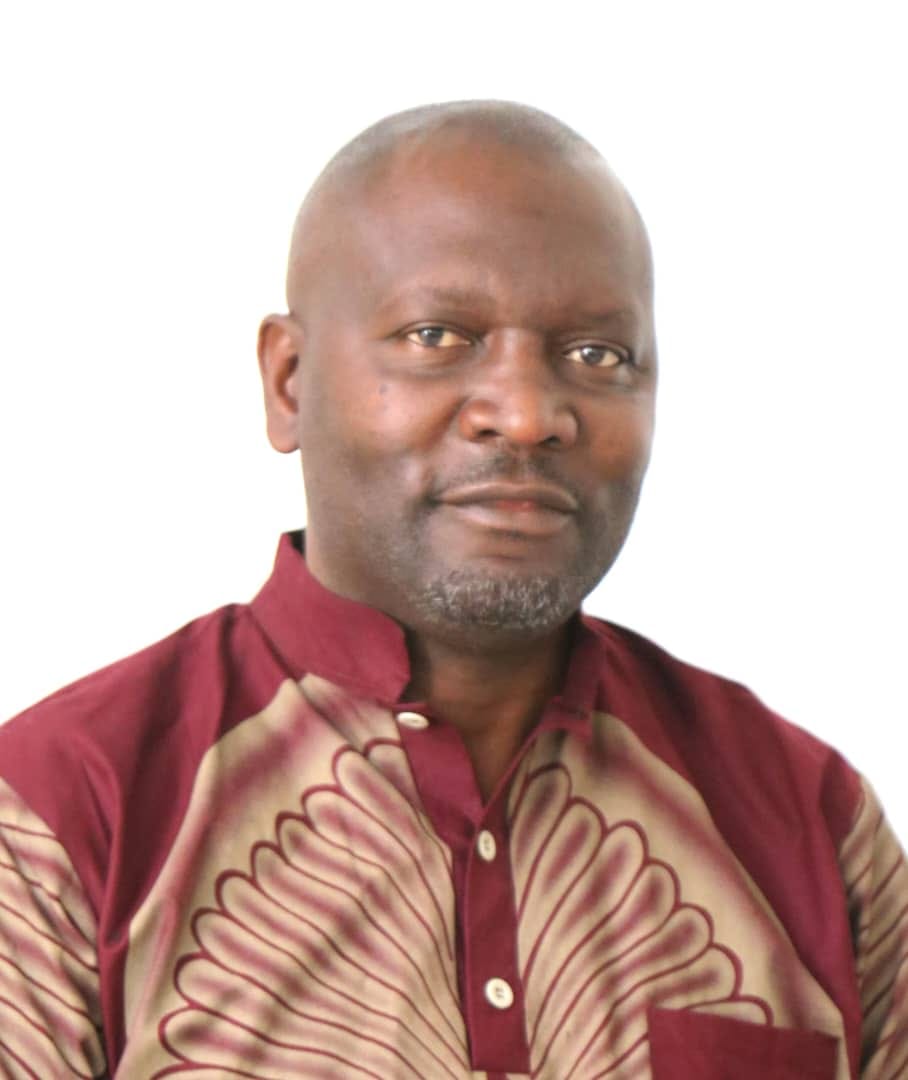
By Dr Mwelwa
The cost of politics is not just a financial burden on candidates; it is a growing danger to democracy itself. The commercialization of politics has led to a system where only the wealthy or those backed by powerful financiers can afford to participate. This reality excludes many capable individuals—especially women and young people—who lack the resources to compete. As the African proverb says, _“A chicken will not vote for a hawk to lead them.”_ If politics is left to those who only seek to enrich themselves, the people will continue to suffer.
*The Harsh Reality of High-Cost Politics*
Many aspiring leaders either have to be wealthy enough to finance their campaigns, take on massive personal debts, or rely on sponsors who expect repayment in the form of political favors. Those who fail to win election risk financial ruin, while those who succeed find themselves trapped in a system where repaying debts becomes a priority over serving the people.
This dynamic creates a Parliament where MPs are more focused on securing their financial interests than addressing the real needs of their constituencies. When an MP is constantly thinking about how to recoup their campaign costs, their ability to hold the government accountable is weakened. Democracy suffers when politics becomes a marketplace where votes are auctioned to the highest bidder, and governance is reduced to a transactional exercise.
Unfortunately, this system also breeds cynicism among voters. Poor citizens, seeing no real change, may begin to treat elections as an opportunity to secure short-term financial gain rather than choosing leaders who can bring meaningful development. As another African proverb warns, _“A child who does not know the village laws will sell his mother’s land for a bottle of beer.”_ If we do not change our approach, elections will continue to be won by those who can pay, not those who can serve.
*The Burden on MPs: Repaying Supporters and Preparing for Re-election*
The financial pressure on MPs does not end with election day. Those who helped finance a campaign expect their investment to be returned—whether in the form of contracts, favorable legislation, or political protection. Local supporters who contributed in smaller ways also make ongoing demands, expecting rewards for their loyalty.
Meanwhile, MPs must immediately begin preparing for their next campaign. The cycle of raising funds for re-election never stops, and with each term, the cost only increases. Some seek additional income through private business dealings, while others look for opportunities to join government in positions that offer access to state resources. The temptation to engage in corruption becomes overwhelming.
As the saying goes, _“The rat does not watch over the granary without taking a share.”_ Without strong moral conviction, many MPs fall into the trap of using public resources for personal gain, justifying it as a necessary step to secure their future in politics.
*Misuse of Public Funds and Political Manipulation*
One of the most damaging consequences of commercialization is the misuse of state resources. MPs in the ruling party often have an advantage, as they can leverage government funds and influence to maintain their grip on power. In some cases, opposition politicians face politically motivated investigations or financial hardships unless they submit to the ruling elite.
In many African nations, we have seen governments use state institutions to intimidate businesses that support opposition candidates, forcing them to either align with those in power or face economic retaliation. This creates an uneven playing field where democracy is undermined by financial coercion. As our elders say, _“A cow that does not belong to you will not give you milk.”_ The state should serve all its people, not just those who can afford to buy influence.
*Exclusion and the Need for Reform*
The commercialization of politics has made it nearly impossible for an average citizen to enter Parliament. When the cost of participating is so high, it creates a Parliament made up of an elite class that is out of touch with the realities of ordinary people. This lack of representation weakens democracy and increases public frustration.
Women, young people, and marginalized groups continue to be underrepresented because they cannot afford the high cost of political entry. This imbalance must be addressed if we want a government that truly reflects the diversity of the people it serves. A Parliament that does not represent its people is like _“a well without water—it may look useful, but it cannot quench anyone’s thirst.”_
*The Danger of Politics as an Investment*
When politicians enter office with the mindset of recovering their financial investment, corruption becomes inevitable. MPs will seek higher salaries, hidden allowances, and opportunities to enrich themselves rather than focusing on policy and development. Those who remain loyal to party leaders are rewarded with government appointments, while those who stand for principles are often sidelined.
This is a dangerous cycle. If the youth aspire to enter politics only because they have seen “the carrot over there,” then we are in trouble. Leadership should not be about personal gain, but about service to the people. The young generation must ask themselves: _Are we fighting to change the system, or are we simply trying to replace those in power so that we can eat too?_
As another proverb reminds us, _“A man who carries an elephant on his head should not be chasing crickets with his feet.”_ If we are serious about reforming politics, we must focus on changing the system, not just changing the faces of those in power.
*A Call for Change*
If Zambia and Africa at large are to move forward, we must break this culture of transactional politics. Citizens must stop selling their votes for short-term benefits, and young people must enter politics with the mindset of service, not self-enrichment. Political parties must create fairer nomination processes, and public financing of campaigns should be considered to level the playing field.
Unless there is a change in behavior—both from politicians and voters—money will continue to rule, and wisdom will remain unheard. If we want a better future, we must remember: _“The axe forgets, but the tree remembers.”_ The decisions we make today will shape the leadership of tomorrow. Let us ensure that we do not repeat the mistakes of the past.