
THE ISLAMIZATION OF MAKENI: A WAKE-UP CALL TO THE EVANGELICAL CHURCH
My concern about what is happening in Makeni goes beyond land acquisition and commercial expansion. I am increasingly concerned about what I perceive as a long-term strategy to expand Islamic influence in the area, potentially shaping its social, economic, religious, and political future.
What stands out to me is the difference between long-term strategic thinking and short-term activity. Muslims appear to be approaching communiy engagement with a level of consistency, planning, and commitment that the evangelical Church needs to examine seriously.
They are not merely thinking about today; they appear to be investing in tomorrow.
While concerns grow about land acquisition in Makeni, we must also pay attention to the role of schools, skills training, youth programmes, and community development in shaping the next generation. Institutions established today can influence the values, loyalties, opportunities, and leadership of tomorrow.
1. They Invest in the Next Generation
One of the most significant concerns is the attention given to young people and economically disadvantaged communities. Education, skills training, and other community initiatives can create lasting relationships and influence.
Meanwhile, many evangelical churches struggle with fragmented outreach programmes, inconsistent follow-up, and activities that lack a clear, long-term strategy. Too often, our efforts appear to focus on reaching older generations rather than deliberately investing in children, teenagers, and young adults.
If we want to shape the future, we must invest in the generation that will inherit it.

2. They Build Institutions While We Celebrate Possessions
There is a painful contrast worth examining.
While some Muslims are investing in land and establishing schools and skills-training initiatives, some Zambian Christians are preoccupied with acquiring expensive vehicles, wearing designer suits, and displaying material success.
There is nothing inherently wrong with owning a good car, dressing well, or enjoying the fruits of one’s labour. The problem arises when personal consumption takes precedence over building institutions that will serve generations to come.
When Christians sell valuable property only to convert the proceeds into depreciating luxury assets, we must ask ourselves whether we are sacrificing our long-term economic security for short-term gratification.
A luxury vehicle may elevate an individual’s status today, but a school can shape the future of an entire generation.
The issue is not whether Christians should prosper. It is whether our prosperity is producing lasting value for our families, communities, and future generations.
3. Land Is More Than Property
Land is an economic asset, a source of security, and a foundation for future development. Ownership patterns can influence the character of a community for decades.
If some investors are consistently acquiring land while others are selling their most valuable assets to finance consumption, the long-term consequences deserve serious attention.
The concern is not that people from another country or adherents of another religion are automatically acting with hostile intentions. Rather, we must pay attention to the actual patterns of investment, ownership, institutional development, and community influence, and assess their implications objectively.
Zambians must learn to think generationally about land, property, and economic empowerment.
4. Religion, Education, and the Formation of Future Leaders
Religious institutions can shape more than spiritual beliefs. Through education, mentorship, social services, and community networks, they can influence values, worldviews, and future leadership.
If Islamic organisations are investing in educational institutions, skills development, and youth engagement, evangelical churches should study these approaches and strengthen their own commitment to serving communities.
Our response should not be fear, hostility, or discrimination against Muslims. It should be a renewed commitment to Christian mission, responsible stewardship, excellent education, practical compassion, and the development of young people.
We must demonstrate the Christian faith through both proclamation and service.
5. The Evangelical Church Must Rethink Its Priorities
While some church leaders remain absorbed in political slogans, denominational rivalries, public recognition, and the pursuit of personal status, other organisations may be steadily investing in institutions that will influence the next generation.
We cannot afford to confuse activity with impact or public visibility with long-term effectiveness.
A successful outreach meeting is valuable, but what happens to the people afterwards? A powerful sermon matters, but what are we doing to educate children, equip young people with practical skills, strengthen families, and develop responsible leaders?
We need churches that plan beyond the next Sunday service, the next conference, and the next election.
We need Christian schools, vocational training centres, community development programmes, youth mentorship initiatives, and sustainable institutions that can serve people for generations.
6. Makeni Is a Test of Our Long-Term Vision
The question before us is whether we are thinking strategically about the future of our communities.
If we believe that Christian values should continue to influence Zambia’s future, we must do more than repeat that Zambia is a Christian nation. We must demonstrate our convictions through education, service, economic responsibility, and investment in the next generation.
Constitutional declarations alone cannot replace the daily work of building strong families, competent institutions, and communities where young people can flourish.
A community’s future is shaped not only by what people believe today, but also by what they build, own, teach, and invest in for tomorrow.
Makeni should therefore be a wake-up call to evangelical leaders, churches, Christian educators, businesspeople, and community stakeholders.
We must move from reaction to strategy, from slogans to institutions, from short-term excitement to generational investment, and from personal display to collective responsibility.
The challenge is not simply to ask who is acquiring land today. It is to ask what kind of community we are building for the next 50 years.
If others are planning for the next generation while we are consumed by the present, we must examine our priorities and change course.
The future will not be shaped by declarations alone. It will be shaped by the institutions we build, the young people we equip, the resources we steward, and the vision we have the discipline to pursue.
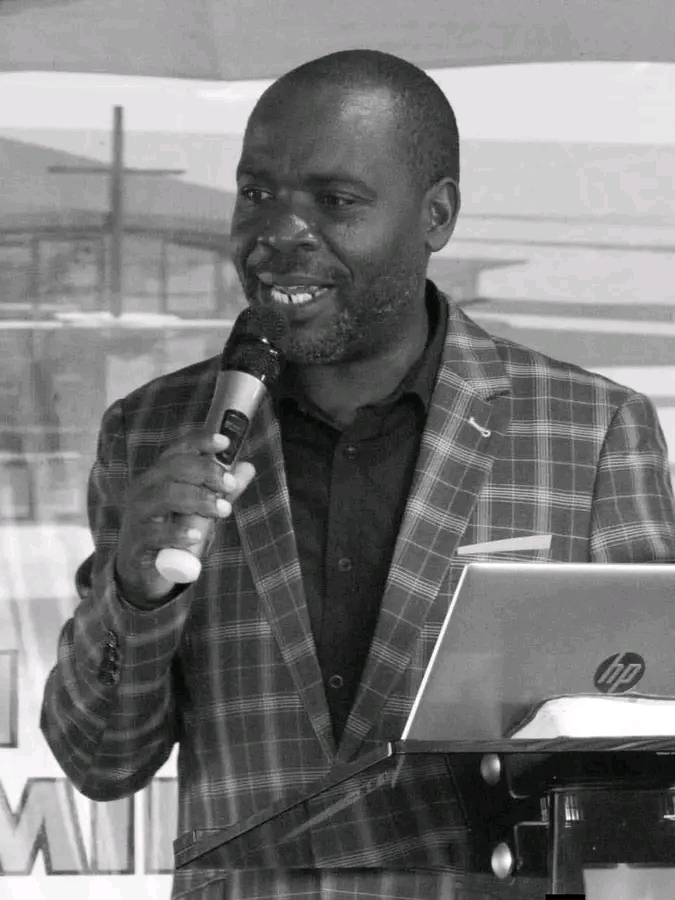
By Bruce Kaumba