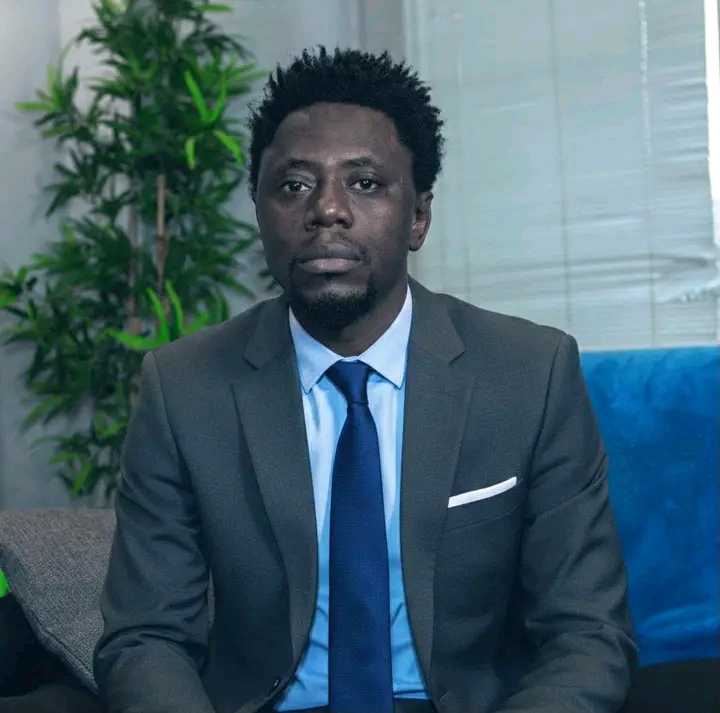

TONSE-PAMODZI DIASPORA COORDINATOR CHALLENGES UPND GOVERNMENT TO RESPECT HUMAN RIGHTS AND DEMOCRATIC FREEDOMS
LONDON | 3RD NOVEMBER 2026
The Tonse-Pamodzi Alliance Diaspora Coordinator, Mr Isaac Mulezuma Njobvu, has challenged the UPND government to respect human rights, uphold constitutional freedoms and safeguard democratic principles, warning that Zambia’s democratic credentials cannot be protected through intimidation, denial or attempts to silence dissenting voices.
Mr Njobvu’s remarks follow comments attributed to UPND Deputy Secretary General, Hon. Gertrude Imenda, who reportedly accused Zambians living in the diaspora of feeding the international community with what she described as false information regarding human rights violations in Zambia.
Responding to the allegations, Mr Njobvu described the remarks as misplaced, arguing that instead of attacking citizens raising concerns, the government should address the substantive issues surrounding democracy, governance and the protection of fundamental freedoms.
He emphasised that Zambia is part of an interconnected global community where information travels across borders within seconds. Consequently, no government should assume that developments within its jurisdiction can escape international scrutiny.
“Zambia is not an island. What happens within our borders is of legitimate interest to the international community, particularly when it concerns human rights, democratic governance and the rule of law,” he said.
Mr Njobvu further noted that concerns surrounding the country’s democratic institutions, the electoral process, judicial independence and the conduct of state security agencies deserve serious attention and transparent engagement.
He also raised concerns over the reported circumstances surrounding the death of former Minister Mutotwe Kafwaya, calling for transparency, an independent investigation and accountability should any wrongdoing be established.
He maintained that being Zambian does not mean surrendering one’s right to question government or remain silent in the face of perceived injustices.
“Whether living in Zambia or abroad, every citizen has a legitimate right and responsibility to take an interest in the governance and future of their country. Defending democracy and human rights is not restricted by geographical boundaries,” Mr Njobvu stated.
He expressed further concern over what he described as an increasingly restrictive environment for freedom of expression, citing allegations of arrests and criminal charges, including sedition and hate speech, involving citizens who have expressed opinions on matters of national importance.
According to Mr Njobvu, such developments risk creating a climate of fear in which citizens become reluctant to speak out, participate in national discourse or hold public officials accountable.
In response to questions from a Zambian journalist, he appealed to the international community and human rights organisations to maintain close attention to developments in Zambia and continue engaging the relevant authorities on the protection of democratic institutions and fundamental freedoms.
He specifically referenced concerns and observations raised by Human Rights Watch, Amnesty International, the European Union and the United States Department of State’s 2025 Human Rights Report.
Mr Njobvu argued that reports from these institutions should be treated as opportunities for constructive engagement, reflection and institutional reform, rather than dismissed as deliberate attempts to damage Zambia’s international reputation.
He warned that dismissing criticism from international institutions, civil society organisations and concerned citizens would only deepen public mistrust and weaken confidence in democratic institutions.
He concluded by stressing that Zambia’s peace, democratic stability and international standing depend on respect for constitutionalism, accountability, political tolerance and the rule of law.
“Zambia belongs to all of us, not to any political party or individuals in government. Public office is a responsibility, not a licence to disregard the rights of those who hold different opinions. Those entrusted with leadership must protect the freedoms of every Zambian, including their critics.
“We cannot afford to undermine the very democratic foundations upon which our nation has stood for generations,” Mr Njobvu said.
ENDS…