
UPND’s looming 2026 battle against voters
By Daimone Siulapwa
Happy Sunday, today I will throw seven key points to the UPND leadership, its members, sympathisers, die hards and praise singers as food for thought, to digest truthfully without a preconceived mind.
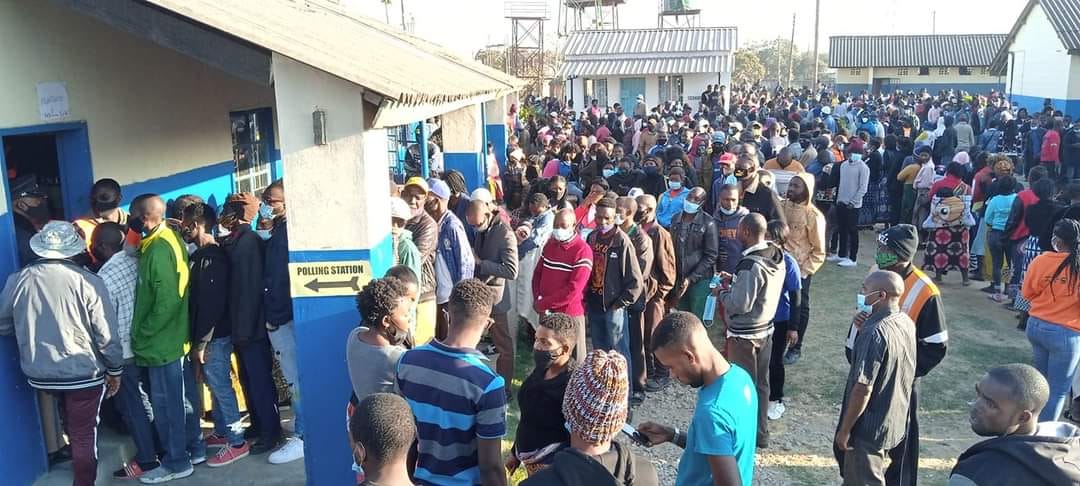
In our political landscape, the 2026 elections are shaping up to be a fierce contest, not merely between political parties but a daunting face-off between the UPND and an increasingly disillusioned electorate.
The battleground is set, and the stakes are higher than ever as the issues of fixing the Kwacha and alleviating the soaring cost of living take center stage.
1 The Cost of Living: An Unbearable Burden
The phrase “bread and butter” in politics has never rung truer than in the current Zambian context. The escalating cost of living has become a crushing burden on citizens, and the government’s inability to address this issue is a ticking time bomb.
Hungry voters do not vote on promises; they vote with their bellies. The UPND must acknowledge this harsh reality and take swift, effective action to alleviate the economic hardships faced by the people.
Will the voters still be hungry and disgruntled when they go to vote in 2026?
2 Meali Meal, Fuel, and Electricity: Managing the Essentials
In the realm of governance, few things matter more to the common man than access to basic necessities. No GDP figures, interest rate, good investor atmosphere or graphs will convince a hungry person in Chibolya or Chawama about how well the economy is performing than cheaper meali meal, fuel and electricity.
The mismanagement of essential commodities like meali meal, fuel, and electricity has historically been the downfall of many governments world-wide.
The UPND needs to reassess its approach to managing these crucial aspects of our daily life. The government’s role should be one of ensuring accessibility, affordability, and reliability at all costs, not a source of frustration for the electorate.
3 Openness to Criticism is a Virtue, Not a Weakness
Thanks to the new government spokesperson, Cornelius Mweetwa, he has brought a breath of fresh air. A healthy democracy thrives on constructive criticism.
The UPND must shed its defensive posture and embrace dissenting voices. Labelling opposing views as mere disgruntlement is a perilous path. True governance requires a discerning ear, a willingness to self-reflect, and openness to diverse perspectives.
The UPND’s intolerance to criticism risks alienating segments of the population and jeopardizing the very democratic principles it seeks to uphold. In politics, it is always an advantage to hear what the people have to say regardless of how painful it may be, than to shut them dawn.
4 The Thin Line Between Protest Vote and Discontent
The UPND rose to power on the wave of a protest vote against the PF. However, the same force that propels a party to victory can swiftly turn against it if governance falls short of expectations.
The party must remember that maintaining the public’s trust requires constant effort, transparency, and a commitment to addressing the core concerns of the electorate.
It would be dangerous, naïve and amateurish for the UPND to still think they have the 2.8 million who voted for them still in their back pocket. They will need to work very hard to even get half of that number in 2026, let alone the 2.8 million. UPND must be very clear that everything now depends on how they delivery from now until the next elections.
5 The Kwacha Conundrum: A Currency in Crisis
A fundamental challenge that the UPND must confront is the alarming depreciation of the Kwacha, a crisis fuelled by the country’s dangerously low foreign exchange reserves.
The heavy reliance on imports only exacerbates this predicament, putting immense pressure on our currency. To salvage the situation, the government must make building up foreign exchange reserves a top priority.
This is not merely an economic concern; it is a matter of national stability. The destruction of many SMEs who are the backbone of our economy and depend on imports is on the brink if measures are not put in place urgently to curb the volatile kwacha. With minimum wages going up in January 2024, retrenchments will be the order of the day within the next two months.
A strategic move towards promoting local production is paramount in stabilizing the Kwacha. By developing the agricultural, manufacturing, and mining sectors, Zambia can reduce its dependence on imported goods. This not only stimulates economic growth but also curtails the demand for foreign currency, thus alleviating the strain on the Kwacha.
The government should be proactive in providing incentives and robust support to local businesses, fostering investment and growth in key sectors.
6 Breaking the Chains of Copper Dependency
Zambia’s over-reliance on copper exports is a dangerous vulnerability. The global volatility of commodity prices poses a constant threat to the nation’s economic stability.
Diversifying the economy is not a luxury but an urgent necessity. By exploring and expanding into other sectors, Zambia can shield itself from the unpredictable fluctuations in the copper market.
The UPND must champion this cause to ensure a resilient and diversified economy that can weather the storms of international markets.
7 A Call for Strategic Reflection for UPND
As the UPND prepares for the 2026 elections, it stands at a critical juncture. The path ahead is fraught with challenges, but it also presents an opportunity for transformative leadership.
Fixing the Kwacha, tackling the cost of living crisis, and addressing fundamental governance issues require not just policies but a resolute commitment to the well-being of the Zambian people.
The UPND can ill-afford complacency or a dismissive attitude toward the genuine concerns of our citizens. A proactive, inclusive, and responsive approach will not only secure electoral victory but, more importantly, pave the way for a Zambia that is economically robust, socially just, and politically stable.
The clock is ticking, and the 2026 elections will be a litmus test of the UPND’s vision, resilience, and dedication to the democratic aspirations of the Zambian people.
Kalemba