
Was the UN Right to Warn Us? Gossip vs Truth in Zambia Today
By Dr Lawrence Mwelwa
These days, everywhere you turn, there is a different story about President Edgar Lungu. Some say he died from a small surgery. Some say he was poisoned. Others swear he is still alive, hiding somewhere, ready to come back. Another group whispers that the family is planning to bury him secretly without telling the government. All these are stories, gossip, lies and wild guesses.
People share these things on Facebook, WhatsApp and TikTok like they are true. Some do it for money — because likes and views pay better than hard work these days. Some do it to look clever or to confuse others for politics. But in the end, too much of this only makes our country weaker.
Disinformation, or fake news, is not just bad stories. It is poison. It turns brother against brother. It makes us doubt good leaders. It makes us trust liars. It confuses the young people and makes the old people lose hope. It spreads faster than the truth because bad news attracts attention.
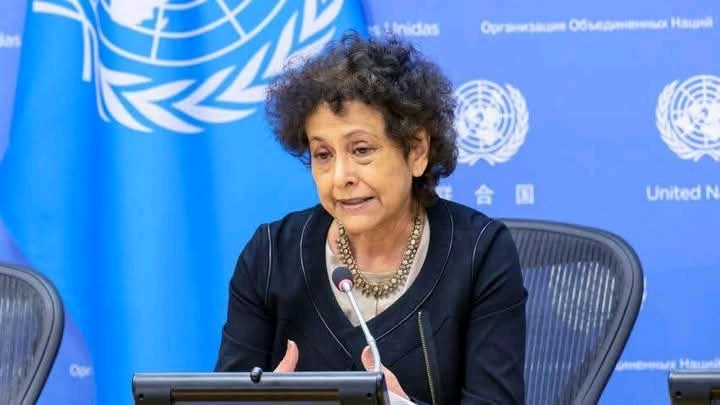
The United Nations human rights report even warned us: Zambia’s biggest problem now is too much fake news and hate speech, especially on the Internet. This problem did not start today. It started when jobs became few and young people discovered that gossip can feed them for the day. It started when some politicians found it easier to lie than to explain real facts.

We must remember: President Lungu is gone. Whether we liked him or not, he was our leader. His body belongs to the whole country, not just one family or one party. However, President Lungu’s family, as next of kin, have the first right under South African law to decide his burial. Respecting their wishes honours his dignity and helps the nation mourn in peace without rumours and conflict.
Anything else is a rumour with no legs.
When people keep sharing these made-up stories, they damage the respect we owe him, and they confuse families who want to mourn properly. They also make the work of the government and the church harder, because no one knows what to believe anymore.
Our wise elders say, “When you spread lies, you dig two graves: one for the victim and one for yourself.” So, let us learn to ask questions before forwarding a story. Who said this? Where is the proof? Why is this person telling me this? Is it helping or causing trouble?
We need good leaders who give us true information quickly so that liars don’t fill the gap. We need journalists who check facts and write responsibly. We need social media companies to remove harmful lies. But above all, we need each person to think before they share.
Fake news will not build roads. Fake news will not create jobs. Fake news will not bury a leader with respect. Hard work, honest talk, and unity will.
Let us stop giving our time and bundles to people who make a living by confusing us. Let us focus on real news, real jobs, real farming, real businesses. In the end, truth is like the sun — you can block it for a while, but it will shine again.
So, my brothers and sisters, bury gossip, not your dignity. Let President Lungu rest with respect. Let Zambia stand with truth. And let every young man and woman remember: your future is in your hands, not in rumours.