
When Party Discipline Meets the Constitution, The Legal Limits of Lubinda’s Declaration
Tobbius Chilembo Hamunkoyo- LLB
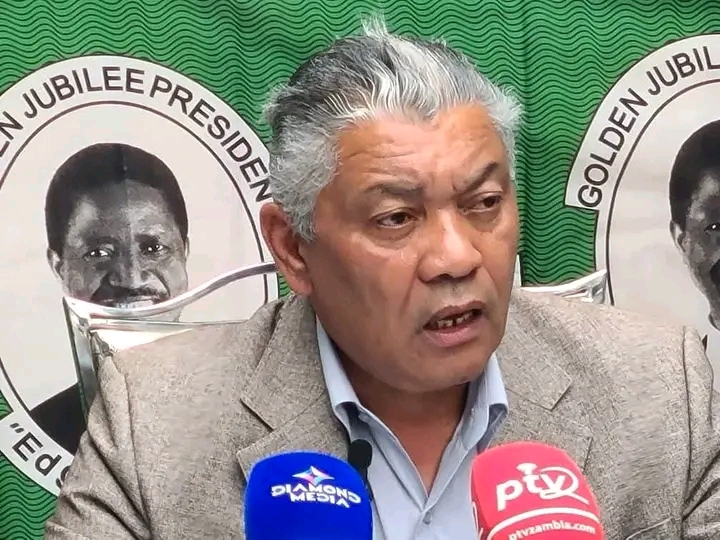
The public statement by Mr. Given Lubinda claiming to expel Patriotic Front (PF) Members of Parliament for supporting the Constitution of Zambia (Amendment) Bill No. 7 has raised serious concern. What he said is not only worrying but also shows a misunderstanding of how the law works in Zambia.
In our country, law-making power belongs to Parliament, not to political parties. Article 62 of the Constitution is very clear on this point. Members of Parliament are guided by the Constitution and the rules of Parliament, not by party instructions, anger, or political threats. To suggest otherwise is to ignore basic constitutional principles that every former MP and Minister should know.
The problem becomes even bigger when we look at Mr. Lubinda’s own position in the PF. His claim to be “acting president” of the party is disputed. Under the law, only leaders who are legally recognised can make binding decisions for a political party. At the moment, PF leadership is not settled, and important party documents (the lugwalo) are under the custody of Hon. Robert M. Chabinga, MP for Mafinga.

Without recognition from the Registrar of Societies or a court of law, any expulsions announced by Mr. Lubinda have no legal effect. As things stand, Hon. Chabinga remains the legally recognised leader of the PF. This makes Mr. Lubinda’s declarations unlawful and more like political drama than real law.
More importantly, Members of Parliament get their authority directly from the people who voted for them. Article 68 of the Constitution makes this clear. Article 72 then lists the only reasons an MP can lose their seat. Voting in Parliament, even on a constitutional amendment, is not one of those reasons. The Constitution protects MPs so that they can vote freely, using their conscience and thinking about what is best for the nation. Threatening MPs for how they vote goes against democracy and the will of the people.
The Constitution also gives MPs special protection through parliamentary privilege, found in Articles 75, 76, and 77, together with the National Assembly (Powers and Privileges) Act chapter 12 of the laws of Zambia.
These laws protect MPs from punishment or intimidation because of what they say or how they vote in Parliament. For this reason, punishing MPs for supporting Bill No. 7 is unconstitutional and violates the separation of powers. Parliament is not controlled by political parties. Any attempt to treat it that way has no legal standing and would not survive in court.
Zayelo was advised by Joseph Chirwa SC