
Masheke Akashambatwa writes;
When the Church Fails: Lessons From Rwanda and Warnings for Zambia
Across the world, faith communities are pillars of moral authority. Clergy are often trusted as the conscience of a nation—expected to speak truth to power, defend the vulnerable, and rise above partisan interests. Yet history has shown that the Church and its leaders are not immune to wrongdoing, silence, or complicity. The most painful example remains the 1994 Rwandan Genocide.
The Rwandan Lesson: When Silence Becomes Violence
During the genocide, more than 800,000 Tutsi and moderate Hutu were slaughtered in 100 days. Numerous reports, including those from the UN and human rights organizations, documented that some members of the clergy were not only silent but were directly complicit. Churches, traditionally places of refuge, became sites of massacres. Some clergy sheltered killers, others used their influence to spread propaganda or failed to protect innocent people who sought safety.
While these actions did not represent the entire Church in Rwanda, they demonstrated a painful truth: religious institutions can be swayed by ethnic loyalty, political alliances, or personal interest. Moral authority collapses when leaders become partisans rather than peacemakers.
Zambia’s Present Debate
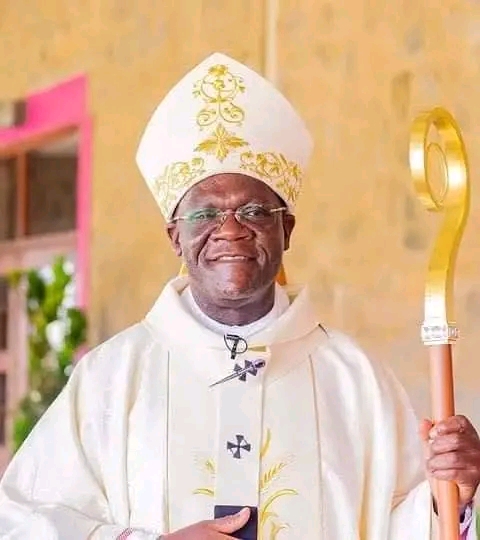
In Zambia today, concerns are emerging around the moral consistency of some clergy in the political arena. A notable example is Archbishop Banda, whose public posture has frequently aligned with the former late President Edgar Lungu. To many Zambians, this alignment appeared rooted more in tribal or political affinity than in prophetic truth-telling.
Throughout Lungu’s administration—marked by serious allegations of corruption, democratic backsliding, and human rights violations—Archbishop Banda was largely silent. He never once publicly condemned the abuses that civil society, churches, international observers, and even the courts highlighted. To critics, this selective moral engagement raises legitimate questions about impartiality and whether tribal loyalty overshadowed the Church’s duty to stand with the oppressed.

Why This Matters
When clergy are silent in the face of injustice—or worse, appear to side with power over principle—the public loses faith not only in individuals but in the Church’s broader moral voice. A clergy that defends its “own people” rather than universal truth repeats the same error that intensified Rwanda’s tragedy: allowing ethnic or political loyalties to override justice and compassion.
Moving Forward
The lesson is clear: churches must stay above tribal politics and partisan interests. Zambia’s stability depends on moral leaders who uphold truth consistently—across administrations, across tribes, and across political seasons.
Faith institutions should be guardians of justice, not extensions of political networks. Rwanda shows us the tragic cost of moral failure. Zambia must ensure its clergy rise to the responsibility of national unity, integrity, and peace.
FYI:
I support Bishop Chama call for demonstrations under the OASIS Forum. That’s their constitutional rights.
The church is the architect of blood baths, just look at what the church has done in the name of god. These bishops are all thugs and children of Judas Iscariot