
ZAMBIA’S DEMOCRATIC RECKONING – THE CIVIL SOCIETY ARISING
29 November 2025
On a Friday now etched into Zambia’s civic consciousness, the Cathedral of the Child Jesus in Lusaka transformed into a sanctuary of resistance. Beneath its ceilings, the Oasis Forum, a coalition of the nation’s most venerable civil society and faith-based organisations, political actors and the Law Association of Zambia gathered not to march peacefully, but to pray. Their decision to abandon a peaceful protest against Constitution Amendment Bill No. 7 was not an act of retreat, but one of profound defiance. When the state closes the streets, the people turn to sanctuaries.
Their demands were lucid and constitutionally grounded. They called for the immediate withdrawal of Bill 7, already declared unlawful by the Constitutional Court. They urged the government to uphold the rule of law, to cease its procedural sleight of hand, and to prioritise the long-neglected Bill of Rights. They insisted on the right to peaceful assembly, not as a favour from the state, but as a constitutional guarantee under Article 21(1) of the Zambian Constitution, which affirms every citizen’s right to assemble freely and associate with others for the protection of their interests.
Yet the state’s response was anything but conciliatory. Reports surfaced that a Catholic bishop was summoned by police for his role in the mobilisation. This followed earlier episodes in which clergy were harassed or branded “Lucifer” for daring to speak truth to power. Archbishop Ignatius Chama, President of the Zambia Conference of Catholic Bishops, warned that “division and anger” were replacing national unity, and that the country risked being “separated from God’s love” if it continued down this path.
President Hakainde Hichilema, a self proclaimed symbol of democratic renewal, addressed the nation from State House. On camera, he projected an image of openness, listening attentively as Oasis Forum Chairperson Beauty Katebe articulated the public’s concerns. Viewers saw a President seemingly willing to engage, to dialogue, to find common ground. But once the cameras were switched off and the media ushered out, the tone shifted dramatically.
According to sources present in the room, the President’s posture hardened. If the Oasis Forum “felt injured,” he said, they should take the matter to court. If they wished to stop the bill, they should “go and lobby their MPs.” It was not a conversation; it was a command. The contrast between the President’s public magnanimity and private intransigence is stark, and deeply troubling.
This duplicity has ignited fresh alarm over the integrity of the constitutional process. By directing civil society to courts whose rulings his administration has already disregarded, the President stands accused of operating outside the rule of law. His suggestion to lobby MPs is further tainted by allegations of inducements, claims that some opposition lawmakers have been offered K3 million to support the bill, first raised by historian Dr Sishuwa Sishuwa and later echoed by former Petauke MP Jay Jay Banda.

The President’s insistence on pushing Bill 7 through Parliament before its 17 December recess appears less a matter of policy than of political survival. His framing of opposition as tribal hostility, suggesting that church resistance stems from his ethnicity, has been met with widespread scepticism. Analysts note that he won the 2021 election by over a million votes, rendering claims of ethnic persecution politically untenable. Critics argue that such rhetoric is a calculated diversion from the procedural violations and public disapproval surrounding the bill.
The Choma procession, where UPND supporters marched in favour of Bill 7 under police escort, further exposes the administration’s selective application of the law. Peaceful assembly is permitted when it flatters the executive, but criminalised when it challenges it. Ms Katebe, with unflinching clarity, reminded the President of his activist past. “When he was in the trenches,” she said, “he knew it was perfectly fine to march peacefully. What has changed?”
Amid this constitutional turbulence, the story of Tasila Lungu casts a long and sombre shadow. The daughter of the late President Edgar Lungu has endured not only the loss of a father but the indignity of political interference in her mourning. For months, she was unable to bury him, a delay that defies cultural norms and human decency. The grief of a daughter was compounded by the machinery of a state that seemed more preoccupied with political calculus than compassion.
Speaker Nelly Mutti, who had previously stated that Tasila could return to Parliament within fourteen days of her father’s burial, later reversed course. Citing Standing Orders 215 and 243 and Article 72(8) of the Constitution, she declared the Chawama seat vacant. The timing,mere months before a general election, raises uncomfortable questions about the politicisation of grief and the erosion of parliamentary integrity.
This administration, once buoyed by the hopes of 2.8 million voters, now appears adrift from its founding promises. It governs not through consensus, but through contradiction. It speaks of unity while sowing division. It invokes the Constitution while undermining its core tenets. It calls for peace while criminalising peaceful assembly.
The Oasis Forum’s prayer was not merely a spiritual act. It was a constitutional lament. A call to conscience. A plea for Zambia to remember that democracy is not a slogan, but a discipline. It requires consistency, humility, and above all, fidelity to the truth.
In the quiet of the cathedral, as citizens bowed their heads in prayer, the contrast could not have been starker. Outside, a government bristling at dissent. Inside, a people refusing to be silenced. The question now is not whether Zambia will hear their prayer. It is whether those in power will heed it.
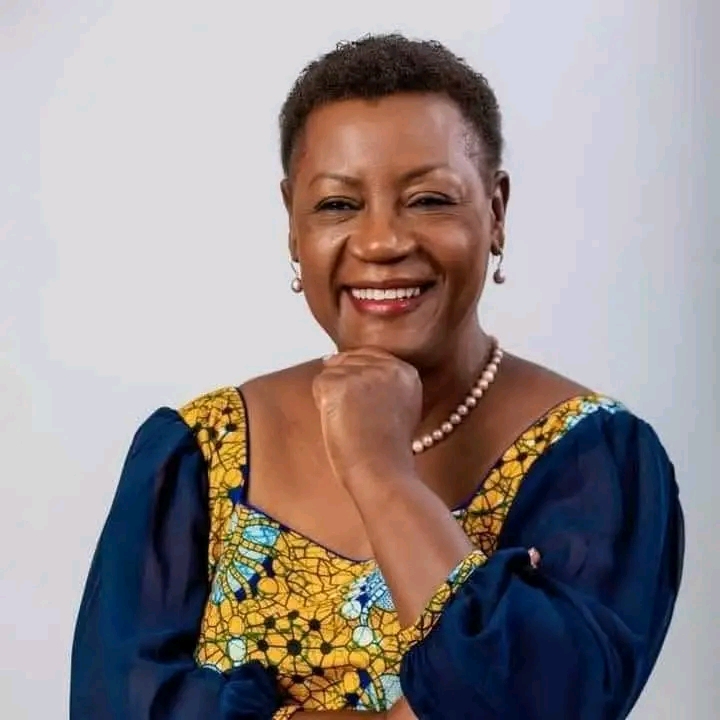
CHISHALA KATEKA
President – New Heritage Party
Tell us what you can do and how for Zambia, instead of just noise masquerading as leadership.
This party is being led by someone who just reguritates without tell us who what she believes she can do for Zambians…
What are you? Board chair or a Judge presiding? Yawn
I support the bill.
I should be heard…
Zambia is not for those civil org
Only … Can they tell us…how many Zambian have said Noon to bill 7.
Stop the drama
Can the Civil Society please tell Zambians what is wrong with Bill 7?
Personally, I have analysed it and I see that there is nothing wrong.