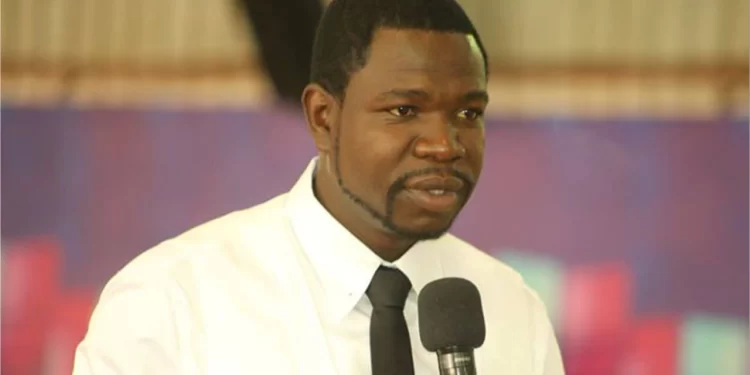

Did Zimbabwean Prophet Walter Magaya Forge His UNISA Diploma?
A diploma submitted by Zimbabwean prophet Walter Magaya has sparked widespread controversy, with allegations of forgery dominating social media discussions. The document, a National Diploma in Marketing purportedly issued by the University of South Africa (UNISA) in October 2015, was presented to Zimbabwe’s High Court as part of Magaya’s attempt to qualify for the Zimbabwe Football Association (ZIFA) presidency
Magaya had been disqualified from the race for failing to meet the requirement of five O’ Level passes. In response, he claimed that ZIFA’s rules allowed for equivalent qualifications and provided the diploma as evidence. However, questions about its authenticity quickly arose.
Social Media Detectives Weigh In
South Africans and Zimbabweans alike took to social media to dissect the document, with users pointing out alleged discrepancies in its format, student number, and qualification codes.
Kudzai Mutisi, a prominent social media commentator, was among the first to question the diploma’s legitimacy:
“This is not a National Diploma from UNISA… Folks shouldn’t do these embarrassing things. The numbers on the certificate HAVE MEANINGS!”
He highlighted inconsistencies in the qualification code and the student number, stating:
“The NDSMN on that number is the qualification code. UNISA and all South African universities phased out National Diplomas. But the NDSMN at UNISA WAS the qualification code for the National Diploma in Safety Management. IT CAN’T BE the Qualification Code for this supposed qualification.”
Mutisi also raised doubts about the student number itself:
“5563732 is the Student Number. That number can be EASILY VERIFIED. It’s not valid and doesn’t belong to the alleged individual.”
Formatting Errors and Fake Signatures
Social media users pointed to several formatting issues and alleged irregularities in the signatures. A user identified as Azania (@Planck_B) explained:
“How come students with numbers starting with 55 completed qualifications in 2015? During 2014 second term – 2015 first term, student numbers starting with 55 were issued. Those from 2012-2013 had numbers starting with 54. Something isn’t adding up.”
Others questioned the authenticity of the signatures. Mutisi compared the signatures on the diploma to those from other official UNISA certificates and noted discrepancies:
“The Vice Chancellor and University Registrar’s signatures in 2015 didn’t look like this. These signatures are highly questionable.”
Mushaudhi (@Melfizzy) weighed in on the diploma’s overall appearance, saying:
“The formatting is off – the logo is fake, spacing is incorrect, bold font on ‘National Diploma’ is unusual, and there’s no watermark. This document looks nothing like authentic UNISA certificates.”
Calls for Transparency
The controversy has led to calls for clarity from UNISA. Many social media users have urged the university to confirm or deny the legitimacy of the document. Thabisa Sibanda (@SibandaSibbs) demanded that additional documentation be provided to the court:
“The Court must ask for a transcript of that diploma. Let’s see what it really looks like.”
Tapiwanashe Chiriga (@tapiwa_chiriga) echoed the sentiment, calling for accountability:
“UNISA must just clarify this and ensure everyone involved in this forgery faces the consequences.”
A Legal and Ethical Quagmire
Magaya’s decision to submit the diploma to the High Court has raised questions about potential legal implications, including forgery and contempt of court. Some commentators, like Maynard Manyowa (@iAmKudaMaynard), have criticised the audacity of presenting allegedly falsified qualifications in such a high-stakes scenario:
“Submitting fraudulent documents in court is a crime. Will this be swept under the rug?”
As speculation intensifies, all eyes are now on the High Court and UNISA for further developments.