By Hopewell Chin’ono
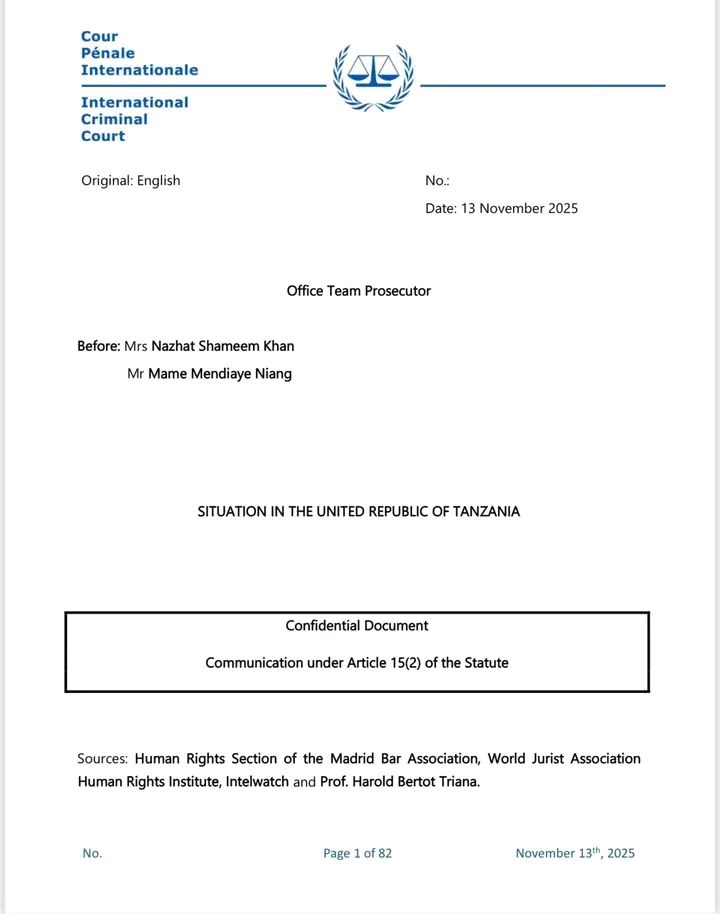
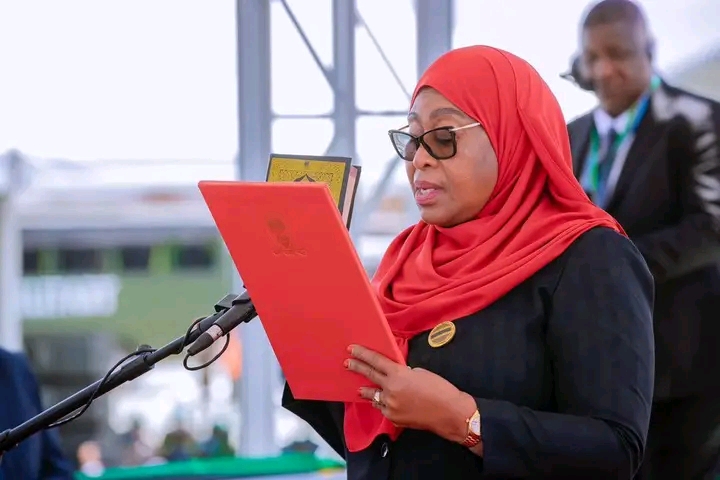
A confidential 82-page dossier submitted to the International Criminal Court accuses the government of Tanzanian President Samia Suluhu Hassan of carrying out widespread and systematic crimes against humanity killing thousands of citizens, culminating in the deadliest political crackdown in the country’s modern history.
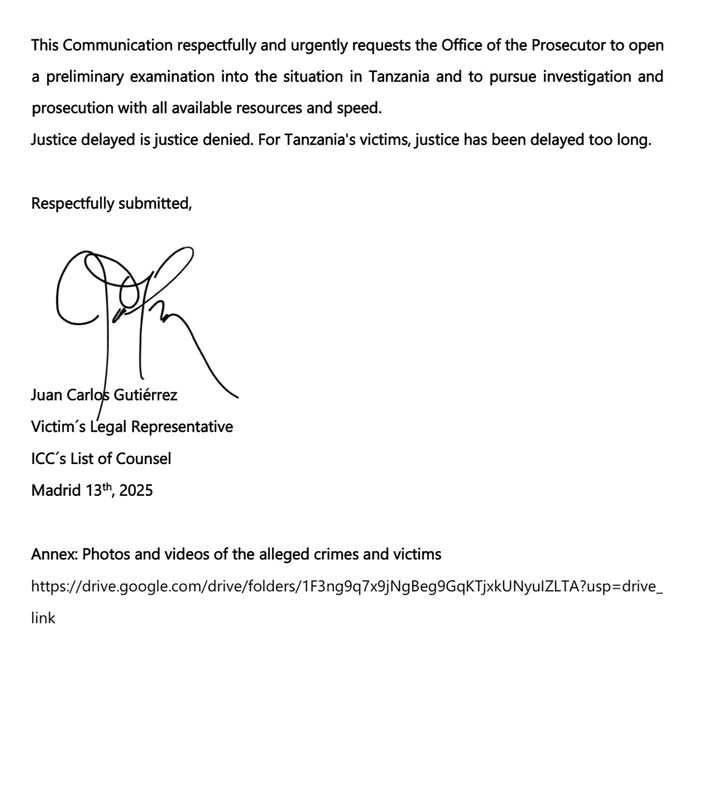
The document, filed under Article 15(2) of the Rome Statute, urges the ICC Prosecutor to open a formal investigation into what it describes as a state-engineered attack on civilians, involving murder, extermination, torture, enforced disappearances and a coordinated internet blackout used to conceal mass killings.
This submission is extremely important because it is the highest-level legal step that can be taken against a sitting government, formally placing Tanzania and President Samia Suluhu Hassan under the scrutiny of the International Criminal Court for alleged crimes against humanity.
It moves the crisis from political debate to international criminal law, listing offences such as murder, extermination, torture, enforced disappearances and the use of an internet blackout as an inhumane act.
Few ICC filings ever directly name a sitting president, and this document does so clearly and repeatedly, making it one of the most serious international legal challenges Tanzania has ever faced. If the ICC decides to act on it, the situation shifts into a global case with diplomatic, political and legal consequences that go far beyond Tanzania’s borders.