

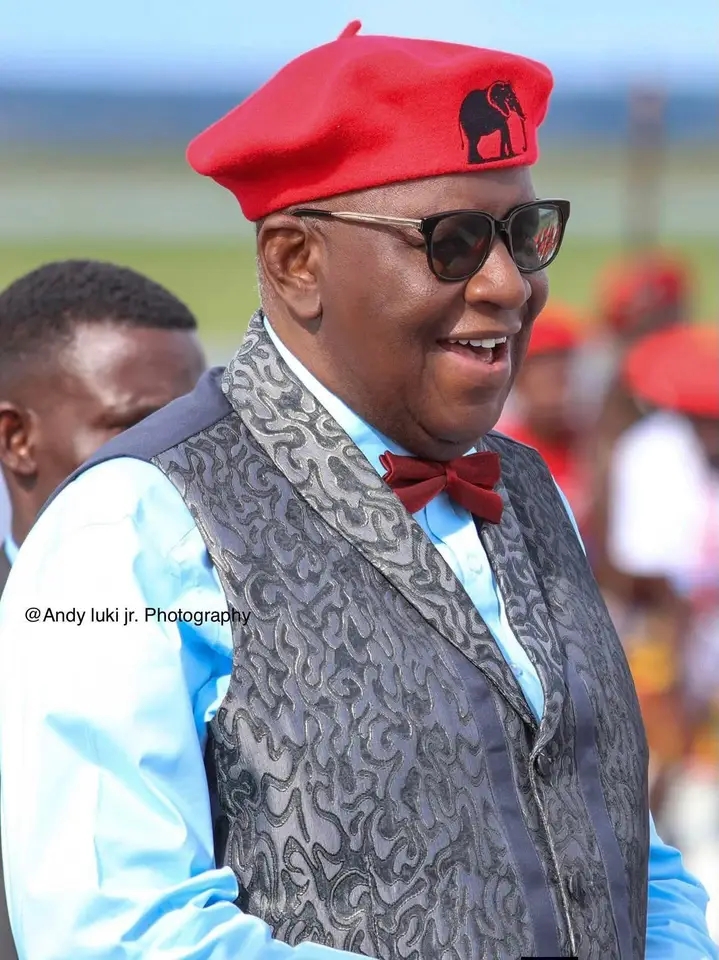
LOZI CUSTOM FORBIDS THE LITUNGA FROM ATTENDING FUNERALS, SEPISO EXPLAINS
A social commentator has explained that, according to longstanding Lozi tradition, the Litunga, the King of Barotseland, does not attend funerals or burial ceremonies in person, including those of close family members.
Mr. Shalala Oliver Sepiso said the Litungaship represents the living nation and is governed by customs that prevent the monarch from participating directly in mourning activities.
“According to Lozi custom, the Litunga does not attend funerals in person,” Sepiso said. “Because the Litungaship represents the living nation, the King is regarded as ilili mufu–one who does not mourn the dead.”
He explained that the cultural principle applies universally and remains one of the most strictly observed traditions within the Lozi Royal Establishment.
“This strict cultural rule applies universally, meaning the Litunga does not attend burials, even for his own immediate family members,” he said.
Instead, the Litunga is represented at funerals by senior members of the royal establishment, including Indunas and royal family representatives who attend on his behalf.
The monarch may also convey his condolences through official correspondence, particularly when mourning with other traditional authorities across Zambia.
Sepiso further noted that cultural protocols extend to royal representatives who attend funerals.
“Because he does not mourn the dead, any traditional court figures or Indunas who attend a funeral are culturally required to stay away from the Litunga until a new moon appears,” he said.
The commentator said His Majesty Lubosi Imwiko II has delegated three Indunas to represent the Barotse Royal Establishment at the funeral and burial of Paramount Chief Mpezeni IV, popularly known as Inkosi ya Makhosi of the Ngoni people.
Paramount Chief Mpezeni IV, born David Njengembaso Jere, also known as David Njengembaso kaKhuzwayo, di•ed on May 30, 2026, after serving as traditional leader for 44 years.
Sepiso said the decision by the Litunga to send representatives is consistent with long-established Lozi customs and should not be interpreted as a sign of disrespect, but rather as adherence to cultural obligations that have guided the institution for generations.
Bwafya ama traditions yamo
This is the same as the Bemba tradition.