

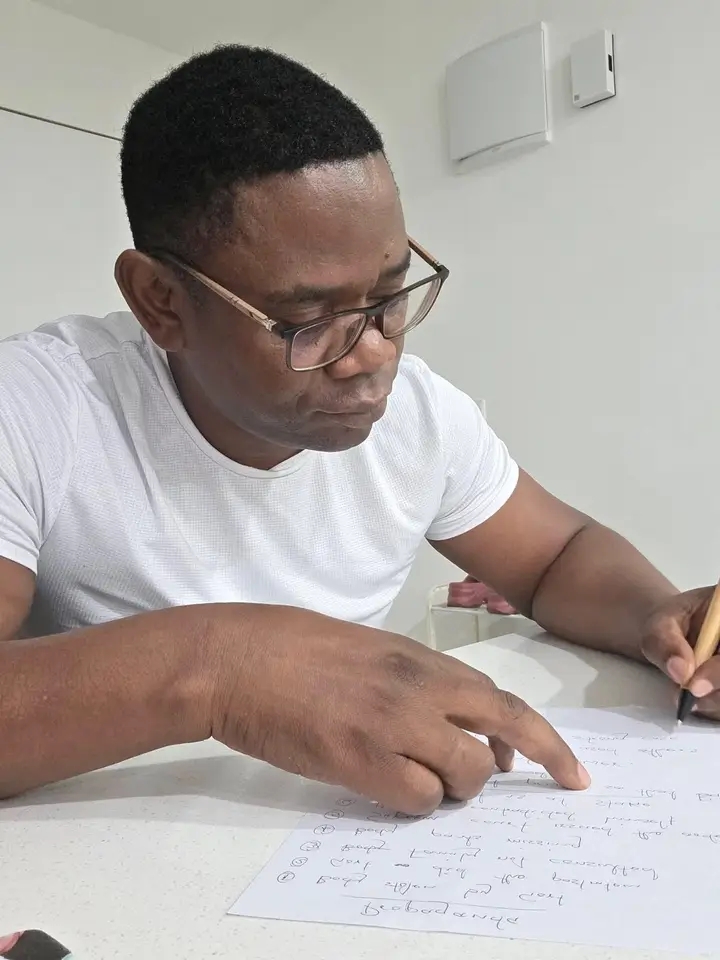
CHILUFYA TAYALI’S RETURN TO ZAMBIA: A CLEAR SIGN OF A ROTTEN JUDICIARY AND GOVERNANCE SYSTEM
By Prof. Proud Moonga, PhD
Lecturer, University of Michigan, United States of America
Good Governance Activist
The return of Mr. Chilufya Tayali to Zambia raises serious and unavoidable questions about judicial integrity, the rule of law and the impartial administration of criminal justice in the country.
Mr. Tayali left Zambia while criminal proceedings against him were still pending before the courts. Following his failure to appear, three bench warrants were issued for his arrest.
A bench warrant is a lawful order of the court directing law-enforcement authorities to arrest an accused person and bring him before the court. Unless formally recalled, discharged, stayed or set aside by a competent court, such a warrant remains valid and enforceable.
Mr. Tayali has now returned to Zambia, yet the three bench warrants have not been executed. In the absence of a formal court order recalling or discharging them, the failure to enforce those warrants constitutes a serious breach of the rule of law and undermines the authority of the courts.
The situation is even more troubling because his sureties, Hon. Francis Robert Kapyanga and Hon. Lukas Simumba, were sanctioned by the court for failing to secure his attendance. They each paid K50,000 as a consequence of his default.
How can the sureties be punished for failing to produce the accused person while the accused himself, against whom three bench warrants were issued, returns to the country without arrest?
This contradiction points to selective enforcement of the law, unequal treatment before the law and the possible politicisation of the criminal justice system.
The constitutional principle of equality before the law requires every person to be subjected to the same legal standards and procedures, regardless of political affiliation, social status, influence or proximity to the Executive.
A bench warrant cannot be binding when an individual is opposed to the government and become irrelevant when that same individual changes political allegiance or becomes useful to those in power.
The relevant authorities must explain whether the three bench warrants were lawfully recalled, discharged or set aside. They must also state whether the criminal proceedings were withdrawn through a nolle prosequi, dismissed, concluded or otherwise terminated in accordance with the law.
If no such judicial or prosecutorial action was taken, then the continued failure to execute the warrants amounts to a dereliction of duty by the responsible law-enforcement institutions and a direct affront to the authority of the courts.
These are not merely political concerns. They touch on judicial independence, prosecutorial accountability, constitutional governance and public confidence in the administration of justice.
In my considered opinion, the failure to execute three valid bench warrants against a person who has returned to the country demonstrates a justice system that is vulnerable to political influence and selective application.
Selective justice is not justice. The law must be enforced consistently, impartially and without fear, favour or political consideration.
END/////
The University of Michinga at Ann Arbor, Michinga is considered to be one of the top schools in America. Sadly recent reading about Brown in Maine (another top School) caught up in a cheating scam by its students using AI is but another stain.
To think that Dr. Moonga, the author actually teaches there while demonstration his lack comprehension at articles published about issues in Zambia; is a disgrace.
I believe the article that he responds to here is one that written/posted on Saturday/Sunday last. Where the article clear FAILS to confirm if the person photographed and referred to was in fact Tayali. If he bothered to read the comments below the article. The photograph was questioned if in fact it was Mr. Tayali.
To engage and stake ones reputation on questionable publications is beneath a Professor; as you call yourself. To support sorrid and questionable characters who have failed to defend accusations about their financial conduct and some named in an article today; that further questions their moral conduct is just not what we expect of a learned person like you bwana. You live and work in America, one would question your understanding of the strides that UPND has made and articulate its short coming others the crude generalisation you make.
For a person of your stature make concise verifible accusation with factual examples instead of waffling around like some sub par illerate. Critical thinking and objectivity is what we ask of you….and expect from a person who says they “Profess” at an elite school.
I agree with the author of this article. Mr. Chilufya Tayali must face the full force of the law if indeed he is back in Zambia, otherwise we make a mockery of the law.
He was facing criminal proceedings before he made the chicken run and must not be let off simply because he has become useful to those in power.
The law must be applied equally.