

PROFILE: From Factory Worker to President Lula da Silva’s Journey Defines a Democratic Legacy
Brazilian President Luiz Inácio Lula da Silva is widely regarded as one of Latin America’s most influential political figures, with a life story that has become a symbol of perseverance, social justice, and democratic leadership.
Born into a poor family in Brazil’s northeast, Lula grew up in severe hardship before moving with his family in search of better opportunities. He worked a series of manual labor jobs and eventually became a metalworker in São Paulo’s industrial sector. During his years in the factory, he lost one of his fingers in a workplace accident—an event that came to symbolize the struggles of Brazil’s working class.
Lula later emerged as a powerful labor union leader, organizing strikes and campaigning for workers’ rights during Brazil’s military dictatorship. His activism led to imprisonment, but it also established him as one of the country’s leading voices for democracy and social reform.
After several unsuccessful presidential campaigns, Lula was elected President of Brazil in 2002 and took office in 2003. His administration prioritized poverty reduction, expanding social welfare programs, increasing access to education, and promoting economic growth. Policies such as Bolsa Família helped lift millions of Brazilians out of poverty and significantly improved living standards across the country.
As his second and constitutionally final consecutive term came to an end in 2010, Lula remained one of Brazil’s most popular leaders. Many supporters hoped he would continue in office, but he refused to seek a constitutional change that would allow him to remain president.
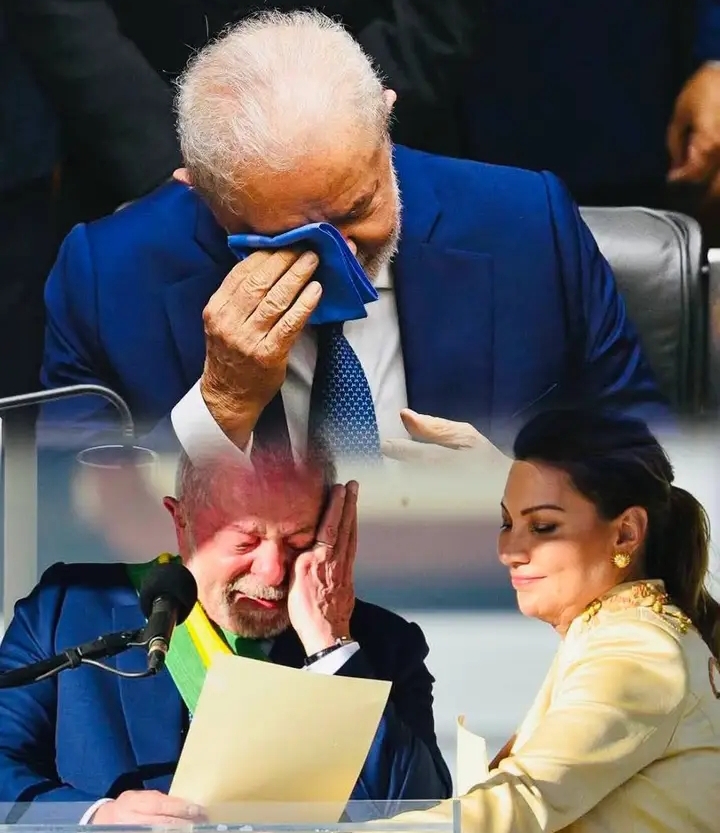
In emotional remarks, Lula emphasized that he would not abandon the democratic principles he had fought for throughout his life, arguing that respect for Brazil’s Constitution was more important than personal political ambition. His decision was widely viewed as a demonstration of his commitment to democratic institutions and the rule of law.
Years later, after facing political and legal challenges, Lula returned to national politics and won Brazil’s 2022 presidential election, beginning his third non-consecutive term in office in January 2023.
Lula’s remarkable journey from growing up in poverty and working in factories to leading Latin America’s largest economy continues to inspire many both inside and outside Brazil. His life story is frequently cited as an example of resilience, dedication to public service, and the belief that leadership should be grounded in democratic values and a commitment to improving the lives of ordinary citizens.