

CENTCOM Chief Warns Troops That Social Media Posts Could Aid Iran’s Military
The commander of U.S. Central Command (CENTCOM), Admiral Brad Cooper, has warned American military personnel that photos and videos shared online could provide Iran with valuable intelligence, enabling it to assess the effectiveness of missile and drone strikes almost in real time, according to a confidential memo reviewed by Reuters.
In the July 28, 2026, memorandum, Cooper emphasized that images captured on mobile phones and posted to social media can reveal critical operational information, including the approximate location of military installations, whether an attack successfully struck its intended target, the response of air defense systems, and the extent of any damage caused by incoming missiles or drones.
According to Reuters, the CENTCOM commander cautioned that such publicly available information could significantly improve Iran’s ability to evaluate its operations without relying solely on traditional intelligence-gathering methods. He warned that these posts could place U.S. service members, coalition forces, and civilians living in Gulf countries at greater risk by helping adversaries refine future attacks.
The report also states that some U.S. military personnel stationed in Jordan have been informed that restrictions on personal phone use—including the possible temporary confiscation of devices—are being considered. Reuters noted, however, that no region-wide policy has been formally implemented, and discussions on additional security measures remain ongoing.
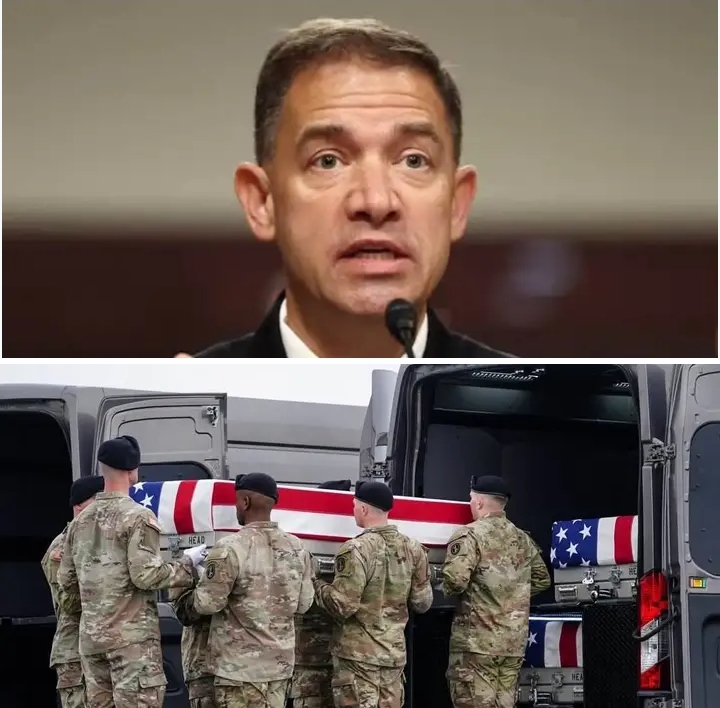
According to the Reuters report, since the conflict began on February 28, 2026, 18 American service members have been killed and more than 600 have been injured during military operations linked to the regional crisis.
The warning underscores growing concerns within the U.S. military about operational security (OPSEC), as commanders seek to prevent adversaries from exploiting open-source information shared online. Officials stressed that even a brief video or photograph posted on social media can provide valuable battlefield intelligence that would otherwise require dedicated surveillance and reconnaissance capabilities.
The Pentagon has not publicly commented in detail on the confidential memorandum, but the guidance reflects increasing efforts to limit the exposure of sensitive operational information during the ongoing conflict.
Source: Reuters