

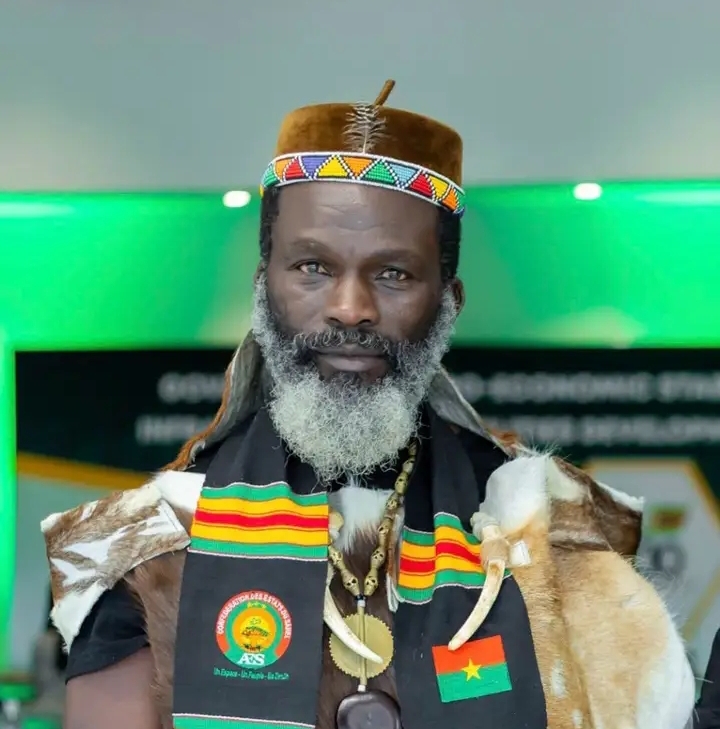
20 QUESTIONS THAT PUNCH HOLES IN MAPONGA’S DUBIOUS CAB4 PROPOSAL
By Gabriel Manyati
Joshua Maponga’s call for Constitutional Amendment Bill No. 4 has been presented as a bold act of intellectual courage: a rejection of failed Western democracy and a return to indigenous political forms. Yet the proposal rests on a series of unexamined assumptions about history, power, consent and accountability. Before Zimbabweans are invited to tear up the republican order and crown the incumbent president as the first king of a new sacred dispensation, the following questions demand clear answers.
1. If democracy has failed Zimbabwe because rulers cannot be effectively constrained, how does crowning the current president and placing him beyond electoral removal solve the problem of unconstrained power?
2. Why should Emmerson Mnangagwa be the first king of this new order rather than any other Zimbabwean, and who possesses the authority to make that decision on behalf of the entire nation?
3. Once the Mwene Mbire is installed and holds power in “ancestral trust,” what peaceful, constitutional mechanism exists for ordinary citizens to remove him if he becomes corrupt, incompetent, or abusive?
4. How does a system built on 16 Totemic Houses accommodate urban Zimbabweans, people of mixed ancestry, ethnic minorities, women outside traditional lineages, religious minorities, and the diaspora who do not fit neatly into pre-colonial clan structures?
5. If pre-colonial African polities already contained councils, age-sets, lineage negotiations and customary checks on rulers, why does Maponga’s model selectively emphasise sacred kingship while remaining silent on those constraining institutions?
Ccu
6. Who adjudicates disputes among the 16 Totemic Houses when consensus fails, and what prevents that adjudication from simply reproducing existing elite power under new cultural language
7. How does transferring state land to a Mutapa National Trust and replacing Roman-Dutch law with Indigenous Customary Law protect citizens from elite capture when the real instruments of coercion (army, police, intelligence) remain concentrated in the same hands?
8. If the 2017 military-assisted transition produced Mnangagwa’s presidency without a conventional electoral transfer of power, does wrapping that settlement in ancestral vocabulary transform a contingent exercise of force into historical destiny?
9. What evidence from Eswatini (formerly known as Swaziland) or any other African monarchy demonstrates that sacred or hereditary authority produces superior accountability, rights protection, economic inclusion or succession stability for ordinary citizens?
10. Can a political system still claim to be “indigenous” and “consultative” when the first and most powerful decision – that is, who becomes the inaugural king – has already been made without the consent of the governed?
11. If the Bible contains both kings and prophets who condemned kings, judges who ruled without monarchy, and early Christian communities that rejected earthly crowns, how does scripture become a constitutional mandate for modern Zimbabwean kingship?
12. When Maponga declares that Zimbabwe must break away from democracy “back into monarchy,” is he recovering African political imagination or simply providing a more durable cultural justification for the permanence of existing power?
13. If Indigenous Consultative Royal Democracy abolishes the “republican machine” and replaces elections with continuous clan consultation, what happens to the principle that political authority ultimately derives from the living people rather than the dead?
14. How does a rotational system among 16 Totemic Houses prevent the same networks that currently control mining concessions, party patronage and security appointments from simply colonising the new houses?
15. If Maponga’s own critique of “Permanent Campaign Disorder” is correct, why is the answer the permanent insulation of one man from any campaign at all?
16. What becomes of citizens who reject totemic identity or regard themselves as modern individuals rather than clan members – are they to be excluded from political membership in their own country?
17. If Great Zimbabwe and Mutapa were sophisticated political formations, why treat their hierarchical aspects as the authentic African essence while treating their historically documented internal conflicts, succession crises and extractive practices as irrelevant?
18. How does declaring democracy a colonial costume while proposing monarchy under the current president avoid the charge that decolonial language is being used to launder continuity of power?
19. If the army, police and intelligence services remain intact under the new sacred order, is the real change one of constitutional form or merely one of legitimating vocabulary?
20. Ultimately, if a political system cannot answer the simple question “how do ordinary people fire a failed ruler without bloodshed,” on what basis can it claim to be either indigenous or progressive?