

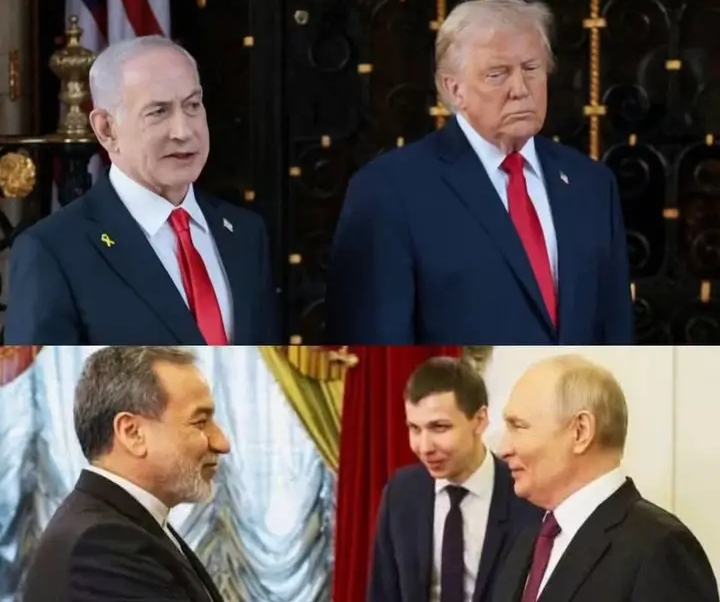
Araghchi Questions Justification for War Over Iran’s Nuclear Program
Iranian Foreign Minister Abbas Araghchi has challenged the rationale for military action against Iran, posing a question that has fueled renewed debate over the standards used to justify war.
According to the account of the exchange, U.S. President Donald Trump argued that military conflict had become unavoidable because Israeli Prime Minister Benjamin Netanyahu warned that Iran was only “one week away” from developing a nuclear weapon.
In response, Araghchi questioned why such a claim should be sufficient to justify a major military confrontation. He noted that several countries—including North Korea, Pakistan, Russia, and China—already possess nuclear weapons, yet their nuclear capabilities have not automatically resulted in U.S. military action.
Araghchi argued that the prospect of Iran allegedly nearing nuclear weapons capability should not, by itself, serve as a justification for launching a devastating war. His comments focused on what he described as an inconsistency in the criteria used to determine when military force is warranted.
His remarks also revived a broader international discussion over the legal and political thresholds for the use of force. Critics of military intervention have long maintained that wars should not be initiated solely on the basis of intelligence assessments, political warnings, or claims that have not been independently verified.
The debate frequently draws comparisons to the 2003 Iraq War, when the U.S.-led invasion was justified in part by assessments that Iraq possessed weapons of mass destruction. Those stockpiles were never found, making the conflict a lasting reference point in discussions about the reliability of pre-war intelligence.
Rather than delivering a lengthy statement, Araghchi offered a concise challenge that supporters described as a strategic rebuttal to the argument for military action. Others, however, continue to argue that concerns surrounding Iran’s nuclear activities warrant close international scrutiny and preventive measures.
The reported exchange has reignited global debate over how governments justify the use of military force and whether claims about potential future capabilities should be sufficient grounds for war. The statements reflect the positions of the individuals involved and remain part of a broader political and diplomatic debate.