

Houthis Claim They Forced Eight Saudi Oil Tankers to Change Course, Vow to Continue Maritime Blockade
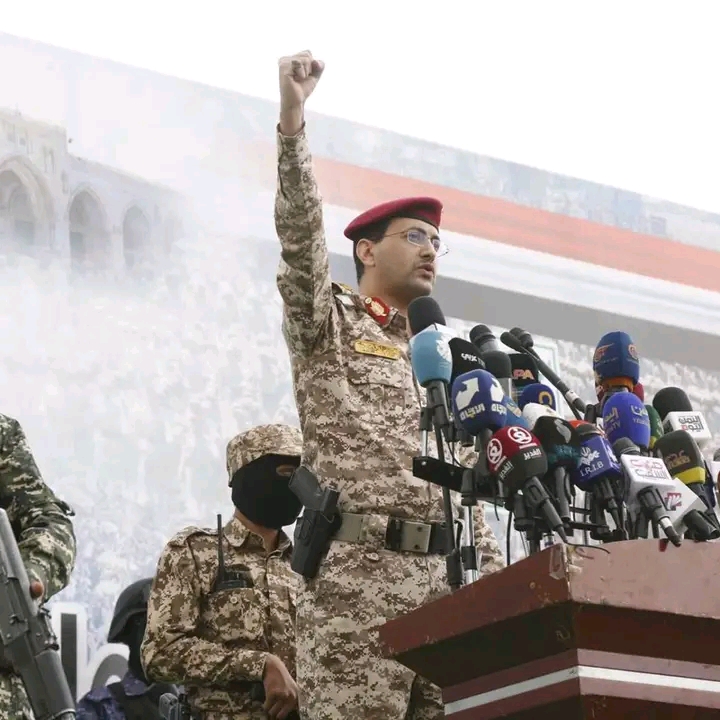
Houthi military spokesperson Yahya Saree has claimed that the group forced eight Saudi-owned oil tankers to alter their routes as part of its maritime blockade campaign against Saudi Arabia. Saree did not specify when the incident allegedly took place, and the claim has not been independently verified.
In a televised statement, Saree said the Houthis would continue enforcing what they describe as a naval blockade, warning that Saudi commercial vessels would remain potential targets wherever the group has the capability to strike.
“The maritime blockade will continue,” Saree said, adding that the group intends to pursue Saudi-linked shipping across regional waters in line with its announced military strategy.
The Houthis formally declared a maritime blockade against Saudi Arabia on July 20, expanding their naval campaign beyond previous operations in the Red Sea and surrounding waterways. The announcement raised concerns among shipping companies and regional security analysts over the potential impact on commercial trade routes and energy supplies.
At the same time, the Houthis denied reports circulating in some media that they planned to impose transit fees on commercial vessels passing through the Bab el-Mandeb Strait, one of the world’s busiest maritime chokepoints. The group insisted that its operations are military in nature and rejected claims that it intends to profit financially from merchant shipping.
The Bab el-Mandeb Strait is a critical gateway linking the Red Sea to the Gulf of Aden and the Indian Ocean, carrying a significant share of global oil shipments and international trade. Any disruption to traffic through the waterway has the potential to affect global shipping costs and energy markets.
There has been no immediate response from Saudi authorities regarding Saree’s claims, and no independent evidence has emerged to confirm that eight Saudi oil tankers were forced to change course. The situation continues to be closely monitored amid heightened tensions in the Red Sea region.