

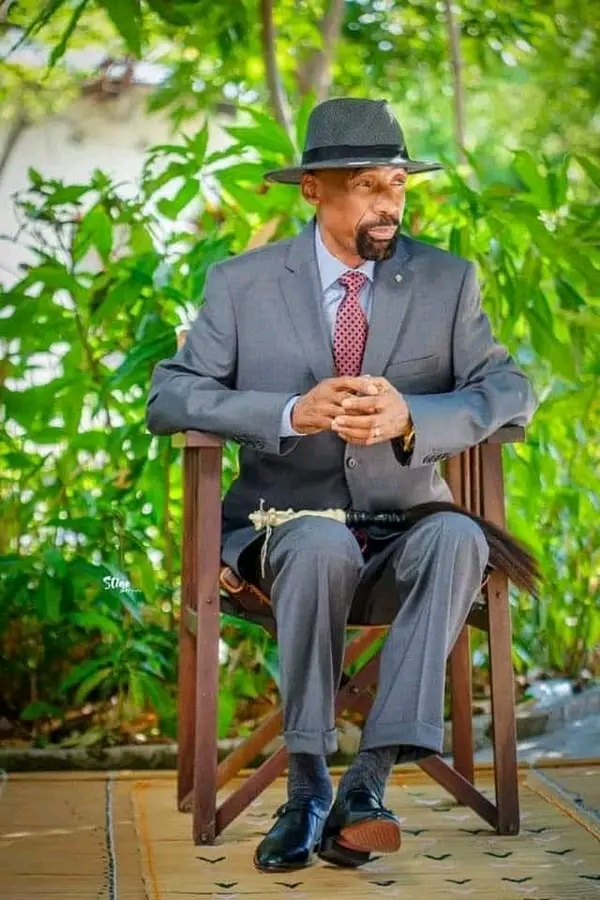
1996: When treason became a campaign Strategy—a case of the late Senior Chief Inyambo Yeta.
As Zambia headed toward the 1996 general elections, President Frederick Chiluba was seeking a second term. But while political parties should have been competing with ideas and manifestos, another contest was unfolding, one fought through police cells, courtrooms and criminal charges.
Opposition leaders found themselves making regular trips to police stations, not to report crimes, but to explain speeches and public statements. In an election year, political dissent increasingly carried the risk of a police interview.
Then came the biggest bombshell.
Eight senior UNIP officials, among them the party’s Vice-President, Senior Chief Inyambo Yeta, were arrested and detained between June and November 1996.
They were accused of treason and murder in connection with bomb attacks allegedly carried out by a shadowy underground group known as Black Mamba.
The allegations were explosive. The headlines were dramatic. The message was unmistakable: the opposition was being portrayed not merely as a political rival, but as an enemy of the state.
Yet, as the election drew closer, the state’s case began to collapse under its own weight.
Two of the accused were released in early September. By September 27, prosecutors quietly withdrew the charges against the remaining six. Then, on November 1, the High Court delivered its verdict.
“No case to answer.”
Four words that reduced months of sensational accusations to rubble.
The prosecution had failed to produce sufficient evidence even to require the accused to defend themselves. They walked free not because of a technicality, but because the court found there was no case worthy of an answer.
The episode left behind uncomfortable questions.
If these men had truly plotted to overthrow the government, how did such a grave case evaporate before reaching the defence stage? If they had not, why were senior opposition leaders imprisoned during the heat of an election campaign?
Human rights observers concluded that there was little evidence linking the UNIP officials to any violent conspiracy. Instead, the arrests appeared designed to paralyse the opposition at the very moment it should have been mobilising voters.
History has a habit of repeating one lesson: in election years, criminal charges can become political weapons, headlines can become campaign posters, and an acquittal no matter how complete rarely receives the same publicity as the arrest.
The court eventually restored the accused’s freedom.
But by then, valuable campaign time had already been taken away.
In the picture is the late former UNIP vice president Senior Chief Yeta who died on July 20, 2023.