

BREAKING: The Gulf Isn’t Asking for Protection Anymore. It’s Setting the Terms.
Trump says the outlines of a deal to end the Iran war are in place — the centerpiece being the “Immediate, Complete, and Total Opening of the Hormuz Strait.” Read the fine print and the real story isn’t Washington and Tehran. It’s Riyadh.
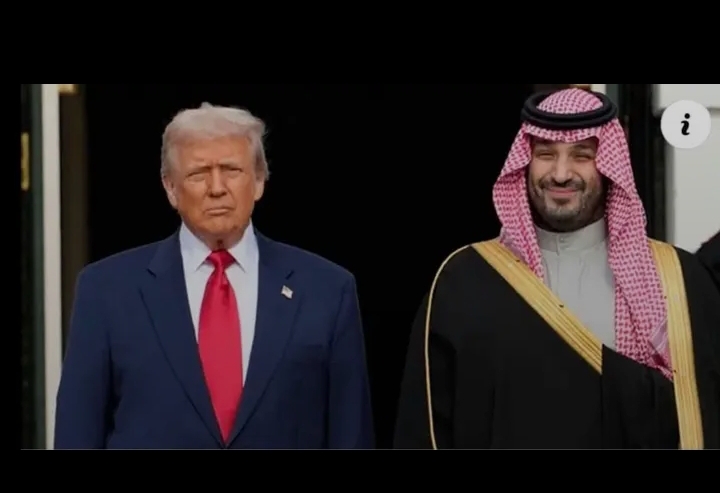
Hours before that announcement, Mohammed bin Salman was on the phone with Trump — not requesting an update, but raising concerns. His message was direct: don’t hit Iran’s energy infrastructure, don’t strike the bridges and power plants, because the retaliation lands on us, not you. Riyadh knows exactly what a war-risk premium spike and a Lloyd’s JWC listed zone does to Gulf shipping and export flows. When the Crown Prince picks up the phone to cap American escalation, that is not a client managing a patron. That is a party managing its own war-risk exposure directly, with the United States as the variable it needs to control.
Notice the sequencing too. Saudi jets were flying alongside American strikes on Iranian-backed militia sites in Iraq this week — hard power engagement — while simultaneously MBS dispatched his own brother, the Defense Minister, to Washington to negotiate the off-ramp. That’s not hedging. That’s a state running both tracks of the conflict at once because it has the standing to do so.
This is the Dual Hegemony thesis playing out one level down. I’ve argued Iran and Turkey are emerging as regional co-poles that Washington has to negotiate with, not around. What we’re watching now is a third actor — the Gulf monarchies — asserting the same leverage, not through military weight, but through the simple fact that they sit on the infrastructure any war has to run through. Hormuz doesn’t open because Washington wills it. It opens because the states whose tankers, terminals, and insurance markets depend on it decide the price of keeping it shut has become unacceptable to them.
One caveat, because the discipline of these posts demands it: this is Trump’s own account of a Saturday-evening deal, unconfirmed by Tehran. These “outline” announcements have a habit of collapsing within the week. Watch for Iranian state media’s response before treating this as settled.
But the structural point stands regardless of whether this particular deal holds: the security architecture of the Gulf is no longer being dictated from Washington. It is being co-authored, in real time, by the states that would bear the cost of getting it wrong.- lim Tean