

Military Strength, Deterrence, and the Realities of Global Politics
A widely shared commentary has reignited debate over the role of military power in international relations, arguing that strength often commands respect more quickly than diplomacy alone.
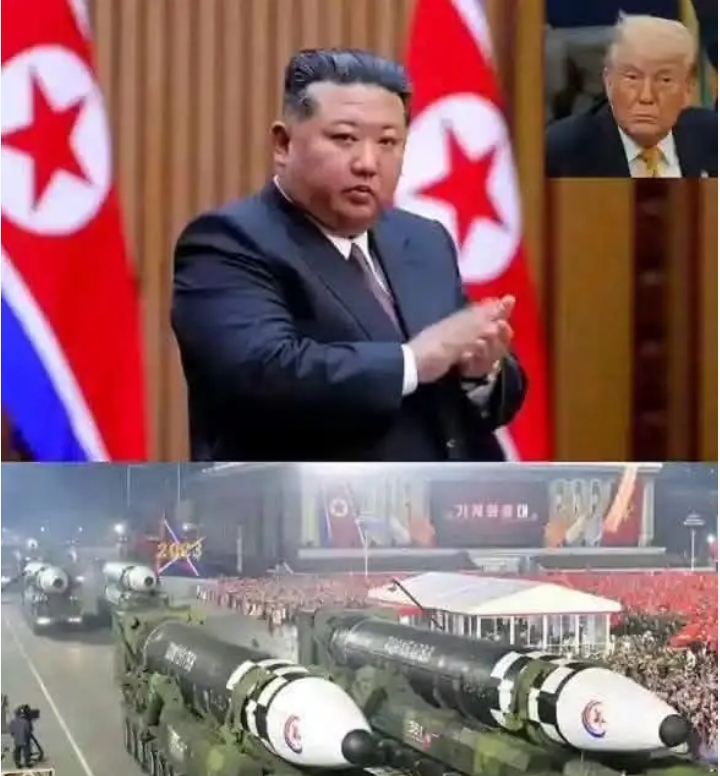
The post claims that a nation’s heavy investment in its armed forces changed how the United States responded, suggesting that major powers become more cautious when confronted by a capable military adversary.
Using the analogy of a neighborhood bully who becomes more polite when faced with someone stronger, the commentary argues that international politics is frequently shaped by deterrence—the ability to discourage aggression by demonstrating credible defensive or retaliatory capabilities.
The author concludes that military strength should not be pursued to wage war, but rather to make the cost of conflict so high that potential adversaries choose diplomacy instead. The piece compares deterrence to keeping a fire extinguisher: something few hope to use, but whose presence provides reassurance.
The views expressed in the commentary are opinion rather than established fact. Analysts have long debated the balance between military deterrence and diplomacy, with some arguing that credible defense capabilities help prevent conflict, while others emphasize that lasting peace depends on dialogue, international cooperation, and effective conflict resolution.