

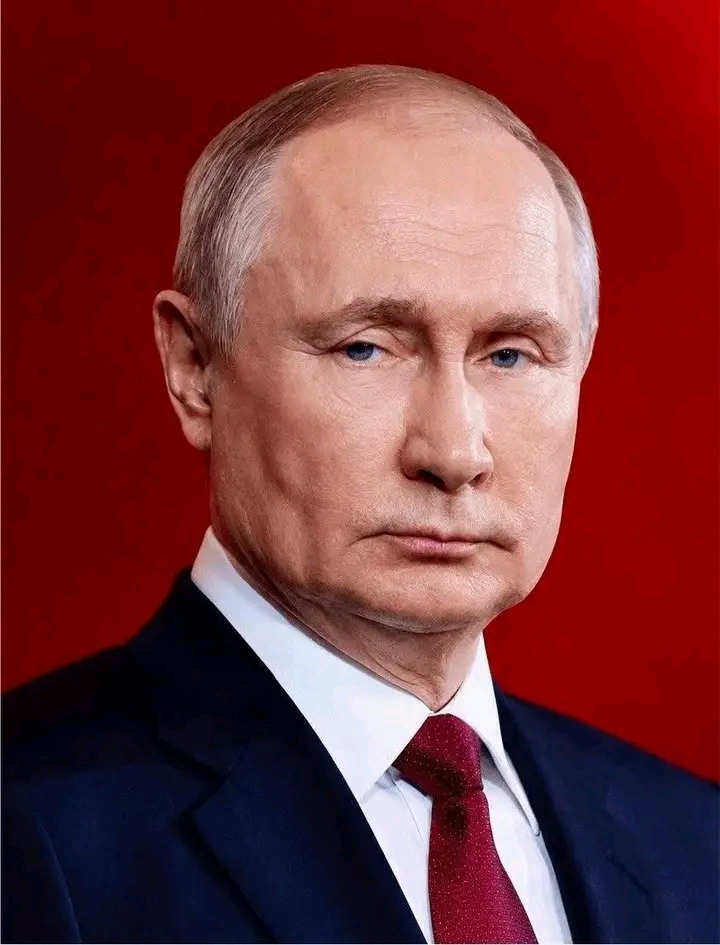
🟦 SEN. RICK SCOTT: “PUTIN IS A THUG” AS PRESSURE GROWS IN WASHINGTON
Influential Republican Sen. Rick Scott (R-Fla.) has delivered one of his strongest statements yet in support of Ukraine, condemning Vladimir Putin and calling for increased pressure on Russia and those who support its war.
“Putin is a thug. What he has done to the Ukrainian people—how many women, children, and elderly people he has killed—is simply disgusting. It is important for us to defend freedom. It is impossible not to admire the people of Ukraine.”
Scott, who serves on several key Senate committees and has long advocated for stronger sanctions against Moscow, said he recently invited two Ukrainian military commanders to the U.S. Senate to discuss how Ukraine has transformed modern warfare through its innovative use of drones.
“Last week, I invited two Ukrainian commanders to the Senate to discuss how they use drones and conduct combat operations, and you really can’t help but admire them.”
He also argued that those who support Russia’s aggression should face consequences.
“If you support what Russia is doing, then sanctions should be imposed on you. There is no doubt about that.”
Scott’s remarks come as bipartisan voices in Congress continue to support increased economic pressure on Moscow, even as debates continue over the pace and scope of future military assistance.
They also reflect a growing recognition in Washington that Ukraine is not only defending its own territory but reshaping modern warfare. Ukrainian commanders are now briefing U.S. lawmakers on battlefield innovations, particularly in drone warfare, underscoring how the conflict has become a source of military lessons for allies around the world.
History is often defined by moments that force difficult choices. As Russia’s invasion enters another brutal chapter, many believe this is one of those moments. The images of destroyed cities, civilians targeted by missiles and drones, and millions displaced have transformed the war into more than a regional conflict—it has become a test of whether aggression or the defense of sovereignty will prevail. Increasingly, the question facing governments and individuals alike is not whether the war matters, but what response it demands.