

U.S. INTELLIGENCE SUPPORT TO UKRAINE CONTINUES QUIETLY CIA DIRECTOR RATCLIFFE REPORTEDLY HELPS KEEP TRUMP ENGAGED
Washington’s military and intelligence support for Ukraine appears to be continuing largely away from public view, with U.S. intelligence reportedly still being shared with Kyiv to help track Russian forces and support Ukrainian strikes.
According to reporting by The Atlantic, citing American and Ukrainian officials, the United States continues providing intelligence to Ukraine at no cost. The information is reportedly used against Russian military positions in occupied Ukrainian territory and to support attacks targeting Russian energy infrastructure.
Separate reporting indicates that U.S.–Ukrainian intelligence cooperation has returned to roughly the level seen before restrictions imposed earlier in the Trump administration.
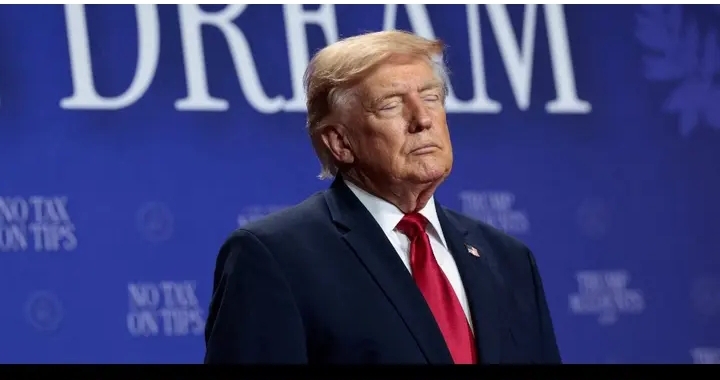
At the center of the relationship is CIA Director John Ratcliffe, who reportedly maintains direct access to President Donald Trump and has sought to keep the president focused on Russia’s continuing battlefield losses.
The Atlantic reported that Ratcliffe has briefed Trump during golf outings, highlighting the scale of Russian casualties, which one Western intelligence source estimated at more than 40,000 per month.
The underlying political calculation is straightforward: Trump is unlikely to want the United States associated with a side that appears to be losing. If Ukraine continues demonstrating the ability to inflict heavy Russian losses and disrupt Moscow’s war machine, support for Kyiv may remain politically easier to sustain.
That battlefield momentum is increasingly important beyond the front lines.
Ukrainian drone strikes have reached deep inside Russia, targeting oil refineries, fuel facilities, air-defense systems and other critical infrastructure. Such attacks can disrupt Russia’s logistics and energy revenues while forcing Moscow to divert resources toward protecting its rear areas.
Several U.S. lawmakers have also indicated that intelligence cooperation with Kyiv has improved. Democratic Senator Mark Warner said the relationship had strengthened, while Republican Senator John Cornyn similarly argued that political support tends to follow battlefield momentum.
Ukraine’s campaign against Russian oil infrastructure also carries an economic dimension.
Russia relies heavily on energy revenues to finance its war effort. Damage to refineries and other petroleum infrastructure can reduce refined-fuel production, disrupt exports and increase pressure on Moscow at a time when Washington is simultaneously using sanctions and tariffs to target countries that continue buying Russian energy.
President Trump has himself acknowledged the potential strategic value of Ukrainian strikes inside Russia. While describing them as an escalation, he has also suggested that such pressure could ultimately help push Moscow toward ending the war.
The emerging strategy therefore appears to combine Ukrainian capabilities with American intelligence:
Ukraine supplies the drones, operators and battlefield initiative.
U.S. intelligence helps identify targets, assess Russian movements and understand vulnerabilities.
Together, the two sides can impose costs on Russia without requiring Washington to directly enter the conflict.
For Kyiv, the objective is to maintain battlefield momentum.
For Washington, the calculation may be that a Ukraine capable of hurting Russia remains a stronger negotiating position than a Ukraine forced into retreat.