

Assad Death Sentence Seen as Pressure on Russia Amid Shifting Syrian Alliances
The death sentence reportedly issued against former Syrian President Bashar al-Assad by authorities under Ahmed al-Sharaa, widely known as Abu Mohammad al-Julani, is being interpreted by some analysts as a political message directed primarily at Russia.
The timing is particularly significant amid recent Russian-Syrian understandings concerning Moscow’s military and economic presence in Syria.
Under the reported arrangements:
• Syria would reduce its dependence on Russian oil imports and increasingly turn to Arab energy suppliers.
• Russia’s military facilities in Syria could gradually shift from largely independent bases toward joint or training-oriented arrangements.
• Further restructuring, and potentially a reduction of Russia’s military footprint, could follow in the coming period, while U.S. forces remain present and Israel expands its security presence in southern Syria.
From this perspective, al-Sharaa appears to be moving Syria toward a broader U.S.-aligned regional framework involving Arab states and Turkey. Some analysts have linked this trajectory to discussions about expanding cooperation between Saudi Arabia, Pakistan and Turkey, although Syria’s formal participation in such an arrangement remains uncertain.
The broader objective, according to this interpretation, would be to limit Russian influence and weaken the position of Moscow and its remaining allies inside Syria.
Egypt, according to this view, recognized the potential implications early and opposed the direction of these developments.
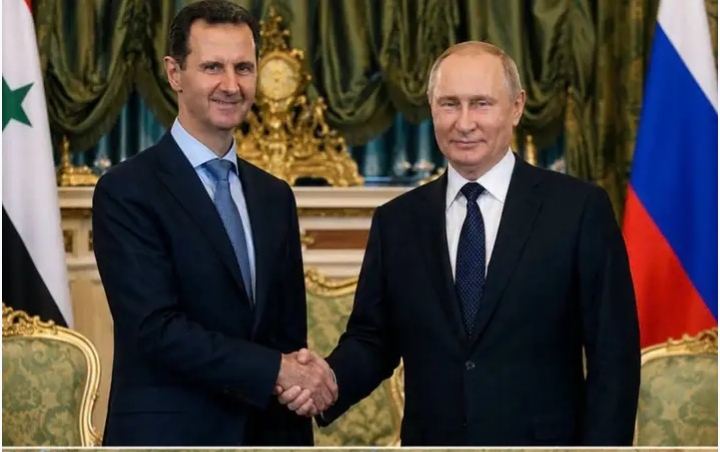
The result could be growing friction between Moscow and Damascus, potentially followed by a gradual reduction in economic and political ties. The Assad death sentence could therefore also be viewed as a symbolic pressure tactic against Russian President Vladimir Putin, who granted asylum to Assad and members of his family following the collapse of his government.
At the same time, the ruling appears to have limited immediate practical consequences unless authorities take further legal steps to enforce it. Its greater significance may therefore be political and symbolic, coming as Syria undergoes a major realignment of its internal power structure and foreign alliances.
Critics warn that the emerging political order could bring additional pressure on Syria’s minorities through controversial laws and administrative measures.
If Damascus continues moving toward a Western- and regional Arab-backed security framework, Syria could become part of a wider strategic architecture involving Turkey and key Arab partners. Turkish Foreign Minister Hakan Fidan has previously spoken about expanding regional cooperation, which supporters argue could provide additional political and security guarantees to the new Syrian authorities.
The coming months are therefore likely to be crucial for determining whether Russia can preserve its strategic position in Syria—or whether Moscow’s influence will gradually give way to a new U.S.-Turkish-Arab regional order.