

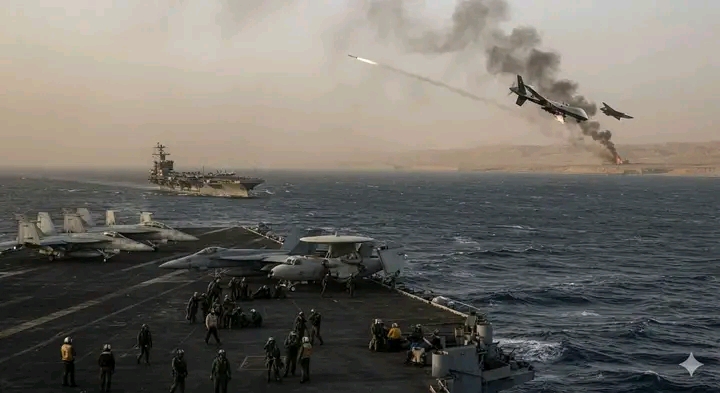
U.S. Faces Mounting Military Setbacks in Iran War, Raising Questions Over Regional Strategy
The United States is facing what several observers describe as one of the most serious military and logistical challenges of its campaign against Iran, with significant losses of unmanned aircraft, prolonged deployments and growing pressure on military resources.
Key U.S. Setbacks
• MQ-9 Reaper losses: At least 45 MQ-9 Reaper drones have reportedly been lost, representing roughly a quarter of the U.S. fleet. The financial cost has been estimated at more than $1.3 billion, according to figures attributed to The Washington Post.
• Carrier deployment strain: The USS Abraham Lincoln has reportedly remained deployed for more than 250 days and is expected to be relieved by the USS George Washington, amid concerns over operational tempo, equipment availability and crew fatigue, according to reporting attributed to The Wall Street Journal.
Strategic Consequences
1. Iran’s air-defense capabilities under scrutiny
The reported destruction of multiple U.S. unmanned systems has raised questions about the effectiveness and resilience of Iran’s air-defense network, particularly its ability to challenge sophisticated American surveillance and strike platforms.
2. Pressure on U.S. military credibility
Sustained equipment losses, extended deployments and rising operational costs could place additional pressure on Washington’s military posture in the Middle East and raise questions about the long-term sustainability of the campaign.
The scale and persistence of these reported difficulties would represent a significant challenge for U.S. planners, particularly if the conflict continues to place heavy demands on American aircraft, naval forces, personnel and logistics.
Sources cited: The Washington Post / The Wall Street Journal