

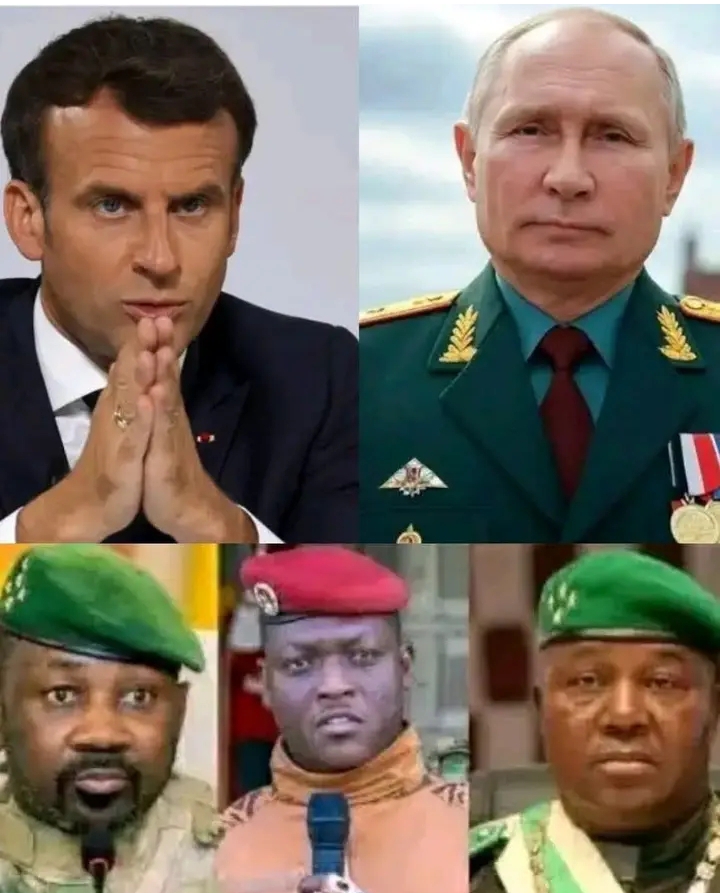
FRANCE ACCUSES RUSSIA OF BACKING ANTI-FRENCH PROPAGANDA IN AFRICA
France has accused Russia of supporting networks involved in anti-French propaganda across Africa, alleging that Russian-linked actors are exploiting growing frustration with France to expand Moscow’s influence on the continent.
A France 24 investigation has examined claims that African journalists, activists and online networks are connected to a broader Russian disinformation campaign aimed at weakening France’s political and military influence in Africa. However, the allegations have been challenged by critics who argue that some of the claims lack publicly presented evidence and risk portraying genuine African political movements as foreign-sponsored operations.
The controversy comes as France’s influence across parts of Africa continues to decline. In Senegal, for example, France completed the withdrawal of its military forces amid increasing demands for greater national sovereignty and a reassessment of the country’s relationship with its former colonial power.
Figures including Ousmane Sonko and Senegal’s current political leadership have repeatedly emphasized the importance of greater sovereignty and a more independent foreign policy
For many Africans, the debate is therefore not simply about Russia or France. It reflects a much broader struggle over Africa’s political independence, foreign military presence and control over its own economic and information space.
The allegations against Russia also come amid growing competition between global powers for influence across Africa, with Russia, China, Europe, the United States and regional African governments pursuing competing strategic interests.
Meanwhile, Pan-Africanist voices argue that the continent’s current political shifts cannot simply be explained as the result of Russian propaganda. They point to the long history of European colonialism, resource extraction and political interference in Africa, particularly France’s historical role in Francophone Africa
Critics of French policy argue that France benefited enormously from its former colonies and maintained significant political, economic and military influence long after formal independence. They question why many African states remain economically dependent despite decades of post-colonial cooperation.
The dispute therefore raises a larger question: Is Africa’s growing rejection of French influence primarily the result of foreign disinformation—or is it also the product of decades of accumulated frustration with the post-colonial relationship?
As the geopolitical competition intensifies, Africa is increasingly becoming a battlefield not only for military and economic influence, but also for narratives, information and political legitimacy online.
The battle for influence in Africa is no longer being fought only on the ground. It is increasingly being fought across television screens, social media platforms and the wider information space.