

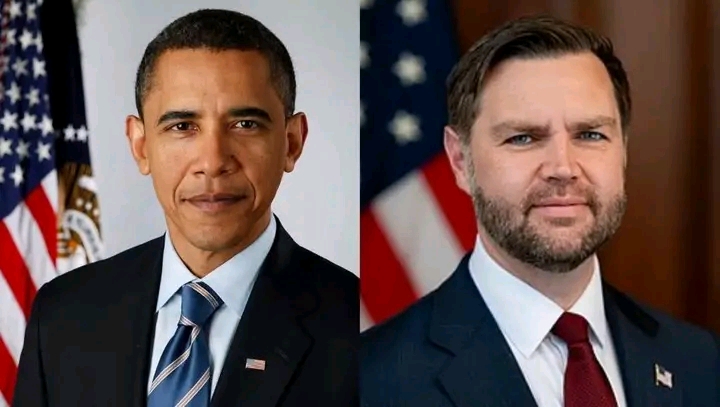
🇺🇸 Trump Administration Faces Backlash Over Iran War Costs as Obama Criticizes Strategy
A political dispute has erupted in the United States over the cost and outcome of the war with Iran, after Vice President JD Vance reportedly acknowledged that Washington had underestimated Iran’s capabilities.
Vance reportedly said the United States had underestimated Iran and spent around $30 billion on the conflict, attributing the high cost in part to an inadequate assessment of the situation before the war.
Former President Barack Obama subsequently criticized the rationale behind the conflict, arguing that Americans had paid an enormous price for objectives that, in his characterization, were ultimately unnecessary.
“All of this was to stop a nuclear weapon that didn’t exist, and to reopen a strait that wasn’t closed. What a painful loss for America.”
Obama’s remarks frame the war as a costly strategic failure and raise broader questions about the intelligence assessments and political decisions that led Washington into the confrontation.
The dispute comes as the United States approaches the 2026 midterm elections, when voters will determine control of the House of Representatives and Senate. The Iran war, its financial cost and the Trump administration’s broader foreign-policy record are likely to become important issues in the political debate.
For Democrats and other critics of the administration, the conflict could become a central argument for challenging Trump’s leadership and congressional allies. Republicans, meanwhile, are expected to defend the administration’s decisions by emphasizing the perceived security threat posed by Iran and the need to prevent Tehran from developing nuclear weapons.
Obama’s intervention therefore carries a broader political message: he is urging Americans to judge the administration’s foreign-policy decisions at the ballot box.
With the midterms approaching, the debate over Iran is increasingly shifting from the battlefield to Washington and the American electorate, where the consequences of the conflict could influence the political balance of power in Congress.
Note: The quoted claims and figures above are presented as reported in the material provided; they would require independent verification before being treated as established facts.