

South Korea Moves to End the Korean War But Will North Korea Listen?
South Korea has launched a major diplomatic initiative aimed at formally ending the Korean War, more than seven decades after the fighting stopped without a peace treaty.
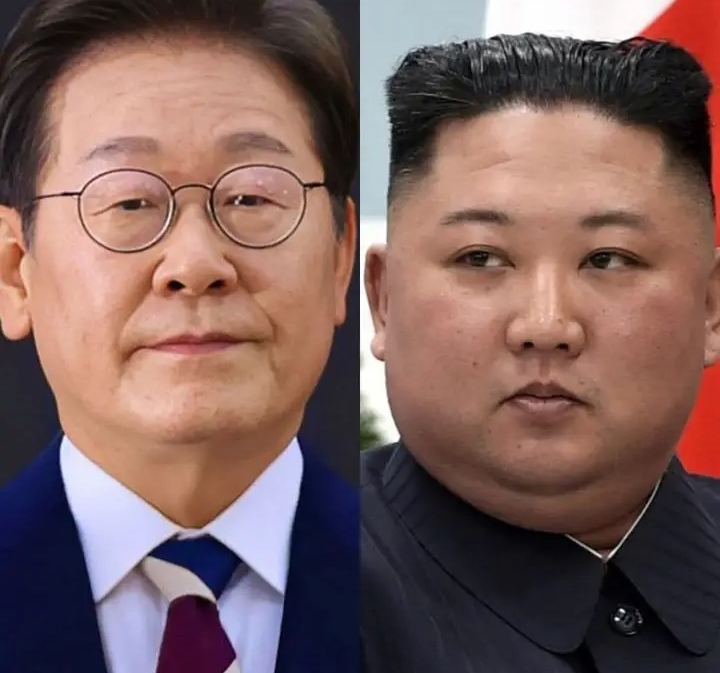
President Lee Jae Myung has called on North Korea to abandon threats and return to negotiations, urging the two sides to engage as the “directly involved parties” in the conflict.
Seoul’s proposal includes a multi-layered security framework designed to prevent accidental or deliberate clashes along the heavily militarized Demilitarized Zone, or DMZ.
South Korea is also seeking discussions on measures to prevent the further expansion of North Korea’s nuclear capabilities, making denuclearization and regional security central elements of the proposed dialogue.
The Korean War ended in 1953 with an armistice rather than a peace treaty. As a result, the two Koreas remain technically at war, despite decades of separation.
The proposal comes amid continued tensions. North Korea has maintained and expanded its nuclear and ballistic-missile programs, while Pyongyang has repeatedly rejected South Korean overtures.
In 2024, North Korean leader Kim Jong Un declared that reunification with South Korea was no longer achievable and designated the South as the North’s “principal enemy.”
Pyongyang has also continued missile testing, including a suspected ballistic-missile launch shortly before a planned U.S.–South Korean military exercise.
The biggest question now is whether Kim Jong Un will view Seoul’s initiative as a genuine opening for peace or as another attempt to pressure North Korea over its nuclear weapons program.
After more than 70 years of unresolved conflict, South Korea is once again testing whether diplomacy can replace confrontation on the Korean Peninsula.
The question is whether Pyongyang is ready to listen.