

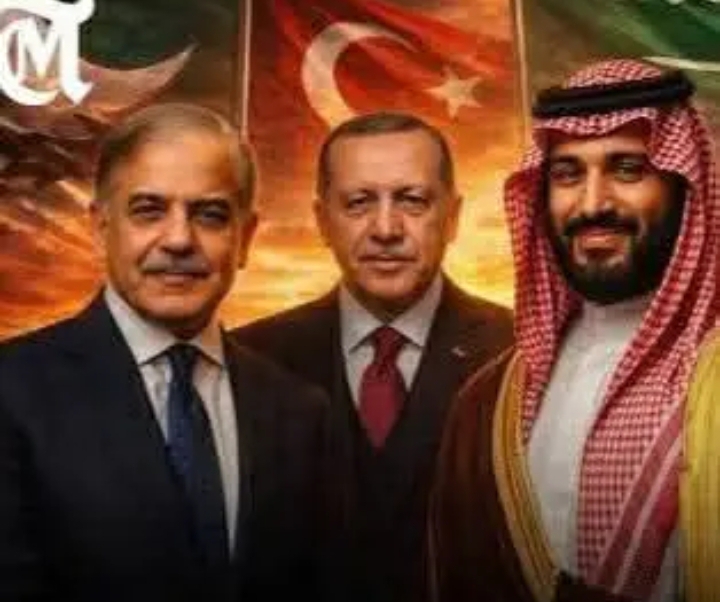
The Makah Agreement: A New Challenge to U.S. Influence in the Middle East?
The United States is closely watching the historic Makah Agreement between Saudi Arabia, Pakistan and Türkiye.
Named after the holy city of Makkah al-Mukarramah, the agreement marks a significant step toward deeper strategic and defense cooperation among three major Muslim countries.
The big question is: Could the Makah Agreement reduce Washington’s influence and strategic leverage in the Middle East?
Critics argue that U.S. influence in the region has weakened because Washington failed to restrain Israel as conflicts continued to spread across the Middle East. Instead, continued American support for Israel has fueled growing criticism among regional governments and populations.
The war in Gaza and the escalating conflict involving Iran may have further accelerated a regional push for greater strategic independence.
Saudi Arabia, Pakistan and Türkiye now appear to be signaling that they want greater control over their own security arrangements rather than relying exclusively on traditional Western partnerships.
For Washington, the emerging alliance could represent a major shift in the regional balance of power.
Could the Makah Agreement become the beginning of a new Middle Eastern security order — one with less dependence on the United States?
What do you think this new partnership will change in the region?