

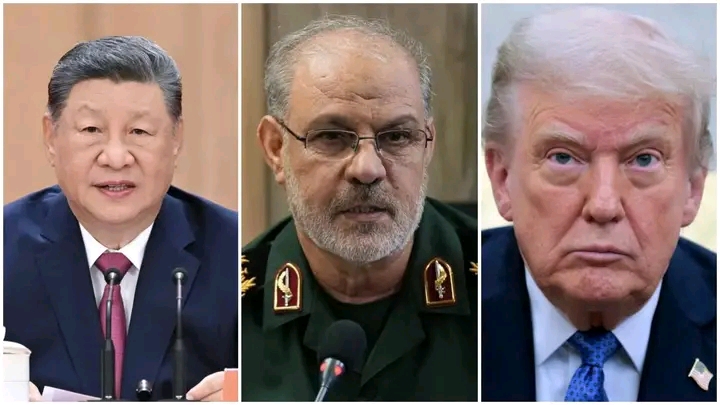
China Rejects Trump’s Iran Sanctions Campaign
China has rejected the United States’ unilateral sanctions regime against Iran, signaling that Beijing will not comply with President Donald Trump’s latest campaign of what Washington describes as an unprecedented “economic warfare” operation against Tehran.
Trump has described the campaign as the “most crushing economic operation ever taken against any country,” while warning governments, companies, financial institutions and other entities that continue providing Iran with an economic “lifeline” of “tremendous economic consequences.”
U.S. Treasury Secretary Scott Bessent has likewise called the measures the “toughest sanctions in history” and urged countries, particularly China, to “get with the program.” A detailed U.S. briefing on the measures is expected Monday.
🇨🇳 Beijing pushes back
China’s Foreign Ministry spokesperson Lin Jian rejected the pressure campaign during a regular briefing in Beijing, stating:
«“Sanctions and pressure will not help solve the issue.”»
Beijing called on all parties to act responsibly and pursue a diplomatic and political solution. China has long opposed the extraterritorial application of unilateral U.S. sanctions, particularly measures that do not have United Nations authorization.
The confrontation places China at the center of Washington’s strategy to restrict Iran’s oil revenues and economically isolate Tehran.
🛢️ China remains Iran’s key oil customer
China is Iran’s dominant oil buyer, reportedly taking more than 90% of Iranian crude exports, much of it through independent Chinese refineries commonly known as “teapots.” Beijing is also Iran’s largest major trading partner, making Chinese participation critical to Washington’s efforts to pressure Tehran.
In May 2026, following new U.S. sanctions targeting Chinese refineries, Beijing reportedly activated its 2021 Blocking Rules, which are designed to prevent Chinese entities from recognizing, complying with or enforcing certain foreign sanctions.
The latest escalation could therefore deepen the economic confrontation between Washington and Beijing just weeks before a planned Trump–Xi summit in September 2026.
⚠️ A growing U.S.–China confrontation
Washington is seeking to use maximum economic pressure to cut Iran’s oil revenues and weaken the Iranian government, while also pressuring major trading partners to align with U.S. sanctions.
Beijing, however, appears unwilling to accept Washington’s unilateral sanctions as binding and continues to emphasize diplomacy while protecting its strategic and economic interests with Iran.
The dispute could become a major test of the U.S.–China relationship, with the Iranian oil trade emerging as one of the key battlegrounds in the broader confrontation between Washington and Beijing.