

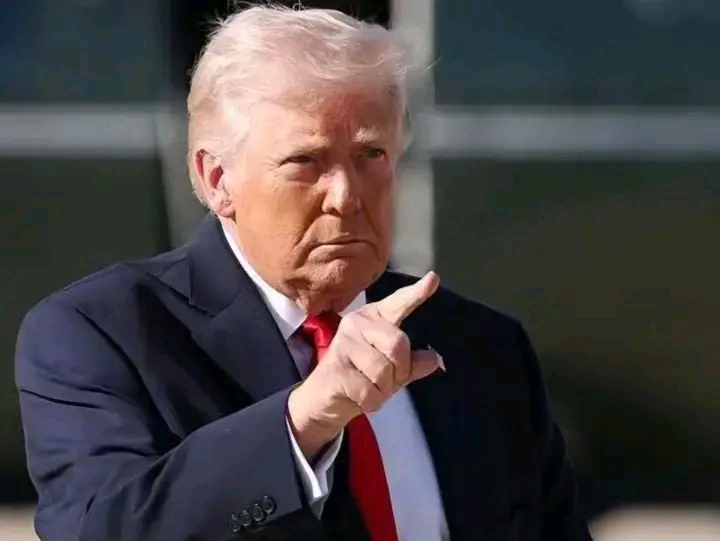
US WAR WITH IRAN HAS BURNED THROUGH MISSILE STOCKPILES AND ALLIES ARE WORRIED
The Wall Street Journal reports that America’s war against Iran has drained its stockpiles of vital missile interceptors. European and Asian allies are now questioning whether Washington can defend them if conflicts break out on multiple fronts.
The Pentagon denies there is a shortage. But independent estimates from the Center for Strategic and International Studies tell a different story.
According to the CSIS report, the US has used nearly half of its pre-war stockpile of Patriot interceptors and Terminal High Altitude Area Defense missiles in the Middle East. One assessment suggests up to 65 percent of Patriots have been expended. About a third of long-range Tomahawk cruise missiles and Joint Air-to-Surface Standoff Missiles are also gone.
Before the war, the US had approximately 2,200 Patriot interceptors. CSIS analysts believe less than 1,000 remain. THAAD interceptors have dropped from about 452 to fewer than 280.
Production cannot keep up with consumption. It takes up to two years to build a single Patriot missile, and replenishing the stockpiles could take three years or longer. The US is rushing new contracts to manufacturers to triple and quadruple production, but the damage is already done.
The shortage is having real consequences. Trump has reportedly rejected Ukrainian requests for additional Patriots. Gulf states like Saudi Arabia are opposing resumed US military operations against Iran because their own interceptor stocks are too low.
The allies have noticed. The Wall Street Journal says the war has laid bare the limits of American hard power. Foreign officials see industrial decline, strategic incoherence, and political dysfunction in the US. They now question not just whether America will help them, but whether it actually can.
The US has spent billions on a war it cannot sustain. Its allies are looking for other security options.
If America cannot defend its allies, what is the point of the alliance. And how long before countries like South Korea, Japan, and Gulf states start making their own arrangements.