

BREAKING: Pentagon Testosterone Plan Sparks Concern Among U.S. Doctors
The U.S. Department of Defense is facing medical criticism over a proposed policy aimed at monitoring testosterone levels among military personnel.
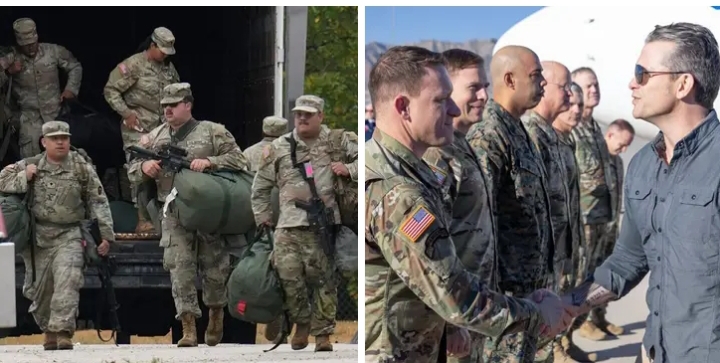
Defense Secretary Pete Hegseth has emphasized the importance of testosterone and broader hormone health for military readiness, prompting discussion over whether hormone levels should play a greater role in the U.S. armed forces.
Under the reported proposal, service members over the age of 30 would undergo annual testosterone testing. Those found to have testosterone levels below the required range could potentially be offered testosterone treatment, including injections, while personnel under 30 would reportedly have the option of undergoing annual testing.
Medical experts, however, have raised concerns about the routine use of testosterone therapy. While testosterone naturally declines with age, doctors warn that unnecessary or prolonged testosterone treatment can carry health risks.
Potential complications include reduced sperm production and infertility, shrinking of the testicles, and an increased risk of blood clots.
Doctors therefore argue that low testosterone should be evaluated on an individual basis and that alternative approaches should be considered before prescribing hormone replacement therapy.
The debate comes amid broader concerns about declining testosterone levels among men in many parts of the world. Researchers have associated changes in lifestyle, obesity, sleep patterns, stress and other modern environmental factors with lower testosterone levels, although the causes are complex and remain under study.
The Pentagon’s reported approach is now drawing attention over how far the military should go in using hormone therapy as part of its efforts to maintain the health and readiness of service members.
Stay tuned for further updates.