

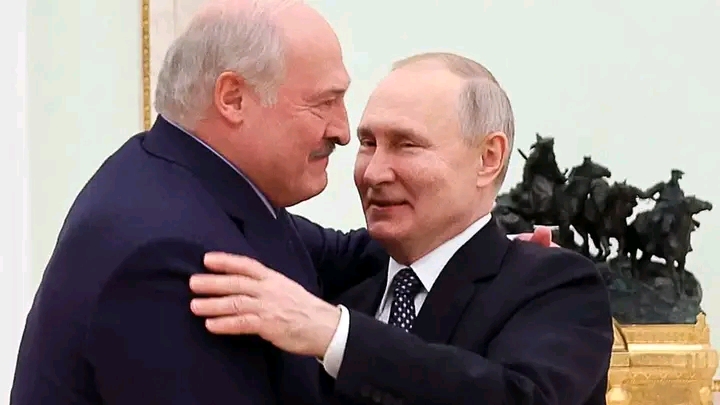
LUKASHENKO. Cc cc ARRIVES IN MOSCOW AS SECURITY TENSIONS BUILD AROUND NATO
Alexander Lukashenko has arrived in Russia for talks with Vladimir Putin and Prime Minister Mikhail Mishustin.
Belarusian state media says Lukashenko and Putin will discuss bilateral relations, international developments and regional security. His meeting with Mishustin will focus on trade, investment and joint Russian-Belarusian projects.
The visit is confirmed. Its timing is impossible to overlook.
Only two days earlier, CIA Director John Ratcliffe made a rare, previously unannounced trip to Moscow. He reportedly warned Russian intelligence officials against escalating toward NATO—particularly Estonia, Latvia and Lithuania.
Ratcliffe did not meet Putin, but the Kremlin confirmed that Putin was briefed on the discussions. Now Moscow is receiving the leader of Russia’s closest military partner, with security openly included on the agenda.
Belarus also launched a surprise military-readiness inspection shortly before Lukashenko’s departure. Russia has used Belarusian territory to invade Ukraine, train troops and deploy weapons, making any security discussion between Putin and Lukashenko important well beyond their economic relationship.
The meetings do not prove that a new military decision has been made or that Lukashenko’s visit is a direct response to Ratcliffe. Russia and Belarus coordinate frequently, and official details remain limited.
But the wider movement is unmistakable. Washington has sent its CIA director to Moscow. Poland is positioning new tanks near Kaliningrad. Baltic governments are strengthening their defenses. Russia is expanding military infrastructure, and Lukashenko has now flown in for face-to-face security talks with Putin.
The diplomatic and military traffic surrounding NATO’s eastern frontier is accelerating. In a moment this tense, who is traveling, where they are going and whom they meet can matter as much as what they publicly say afterward.l