

THE AMERICAN WHO DISCOVERED THE COPPERBELT
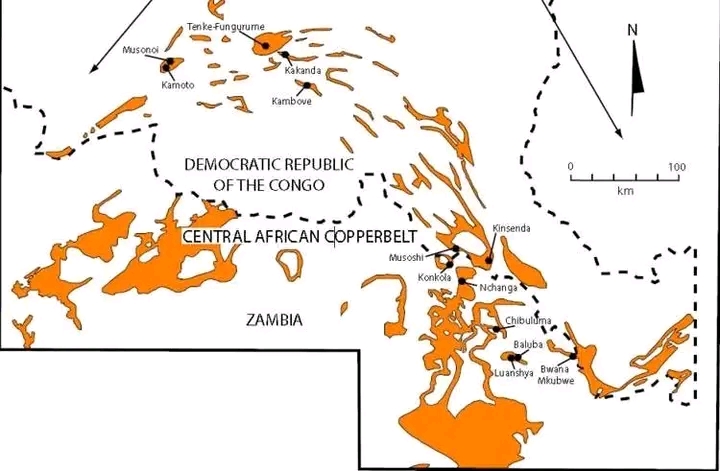
THE Western discovery of copper in Zambia is partly due to American scout Frederick Russell Burnham. In 1895 he led the Northern Territories (BSA) Exploration Co. expedition, which determined that major copper deposits existed in Zambesia, Central Africa.
Along the Kafue River in then Zambesia territory. (Northern Rhodesia was formed in 1911), Burnham saw many similarities to copper deposits he had worked in the United States, and he encountered natives wearing copper bracelets. In his report to the Cecil Rhodes Burnham said about the region:
‘About 200 miles north of the Falls on the Incalla river, and twelve miles from the Kafukwe [now known as the Kafue River] and still on the high plateau is probably one of the greatest copper fields on the continent. The natives have worked this ore for ages, as can be seen by their old dumps, and they work it to-day. The field is very extensive, and reaches away to Katanga.
Many years later, the British South Africa Company built towns along the river and a railroad to transport the copper through Mozambique. During the 1950s, the Copperbelt was the largest copper-producing area in the world, including the Roan Antelope Mine, Nkana Mine, Nchanga Mines, Mufulira Mine, and Rokana Mine.
(Credit: Various Sources)