

THE DEFENSE FILE (SPECIAL EDITION): WHEN AN AIR RAID BECOMES A NATIONAL EMERGENCY
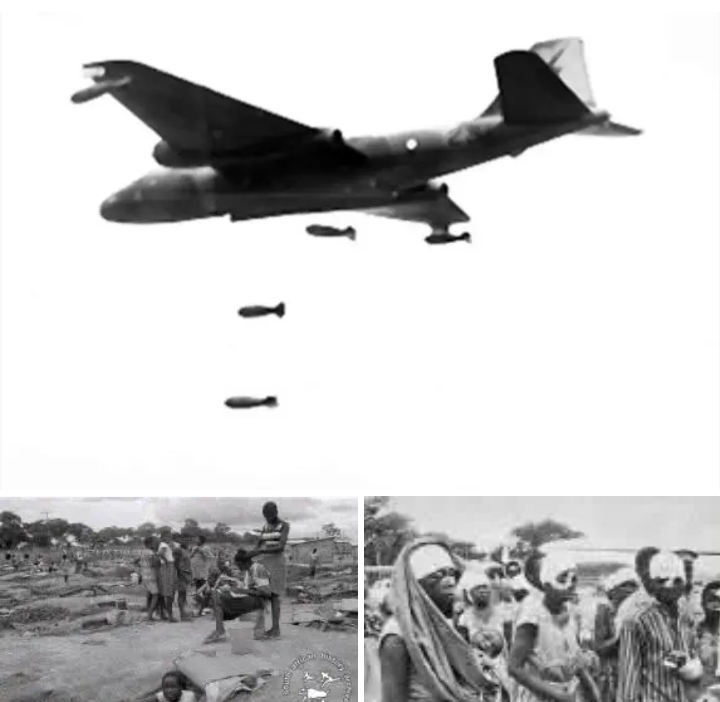
It was Friday afternoon, 23 February 1979. At about 2:15 p.m., four Rhodesian Canberra bombers swept over Nampundwe, 22 miles west of Lusaka, and released their bombs in broad daylight. Zambia Air Force jets gave chase. The raiders later returned, and another Rhodesian strike hit Victory Camp, south of Lusaka. Within hours, Zambia was confronting an airborne national emergency.
The consequences travelled quickly towards the capital. Trucks and ambulances carried the dead and wounded to Lusaka through the afternoon and into the night. At UTH, troops and police cordoned off the hospital as medical personnel received casualties. Hospitals issued an urgent appeal for blood donors. The death toll was 18 and 122 were wounded.
The bombs also reached Zambian civilians. At the farm of retired civil servant Katundu Amukusana, Rhodesian aircraft killed two of his daughters and four other women. Among the wounded elsewhere were Zambians and Zimbabwean refugees, including women and children. War had descended from the sky into farms, refugee communities, ambulances and hospital wards.
This is where air defence becomes more than fighter aircraft, radar and anti aircraft weapons. The first task is to detect and intercept the enemy, but if hostile aircraft penetrate and their weapons reach the ground, another defence system must immediately come alive and this involves casualty evacuation, emergency medicine, blood supplies, communications, civil protection, hospital security and continuity of government.
In military terms, this is part of national resilience. A country must be capable not only of resisting an attack, but of absorbing the blow without being paralysed by it. Hospitals and emergency services therefore become part of the national defence architecture when war reaches the civilian population
That is the enduring lesson of Nampundwe and Victory Camp. Air defence does not end when an aircraft gets through. Modern threats may come from fighters, missiles or drones, but the principle remains the same, ie, what cannot be intercepted must be survived, contained and recovered from.
On 23 February 1979, the roar of Canberra bombers was heard around Lusaka, and ambulances carried the consequences into the capital. It left Zambia a powerful defence lesson. National defence is not only the soldier looking towards the sky. It is also the surgeon waiting beneath it.
Saviour Chishimba
(Yehudah Ben David)
Founder & Principal
THE PEOPLE’S ACADEMY