

RUSSIA’S ANSWER TO STARLINK IS STUCK BELOW ITS OWN TARGET
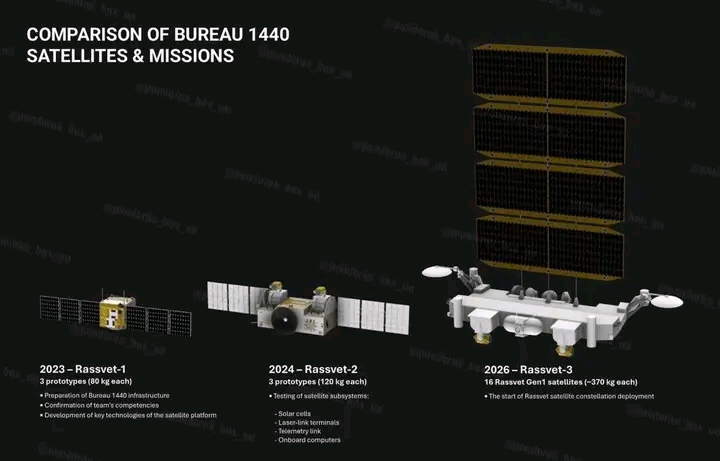
Russia launched 32 Rassvet-3 satellites in two batches this year, hoping to create its own answer to Starlink. Five months later, not one has reached the constellation’s originally declared 800-kilometre operational orbit.
One satellite failed to maneuver and burned up in the atmosphere on June 6. Two more from the second batch have reportedly performed no meaningful orbit-raising maneuvers and are gradually descending toward the same fate.
Most of the first batch remain around 500–550 kilometres. Russian specialists may have quietly lowered the intended working orbit to approximately 514 kilometres, but the operator has offered no clear explanation. That would not make the entire project a failure, although operating lower could require more satellites—and considerably more money—to provide the promised coverage.
The irony writes itself. Putin demanded technological sovereignty and a Russian alternative to Starlink. His military instead relied upon unauthorized American Starlink terminals, while Russia’s own constellation struggles to reach the address printed on its plans.
Rassvet means “dawn.” For now, Russia’s new satellite network remains stuck somewhere before sunrise. As the war consumes engineers, money and industrial capacity, the distance between the Kremlin’s technological promises and what Russia can actually deliver continues to grow.