

A FAILED DRONE ATTACK HAS NOW BECOME A NATO-LEVEL CASE
This is another major moment in Europe’s changing response to Russian hybrid warfare.
Germany has already crossed the first threshold: it moved from suspicion to formally naming Russia as responsible for the attempted explosive-drone attack at Leipzig/Halle Airport.
Now it is preparing to cross another.
According to BILD, Germany will present its evidence to the North Atlantic Council on Wednesday, moving the incident from a national criminal investigation to the political center of the NATO alliance. France, the United Kingdom and NATO Secretary General Mark Rutte are reportedly prepared to support a coordinated response.
Investigators said the drone’s construction, explosives, detonator and technical configuration resembled equipment associated with previous Russian hybrid operations. Intelligence findings indicated that individuals involved acted on behalf of Russian state entities.
Berlin has already announced the closure of Russia’s remaining consulate in Bonn and the Russian House in Berlin. Germany will also pursue additional EU sanctions, tighter entry controls for Russian citizens and greater pressure against Russia’s shadow fleet.
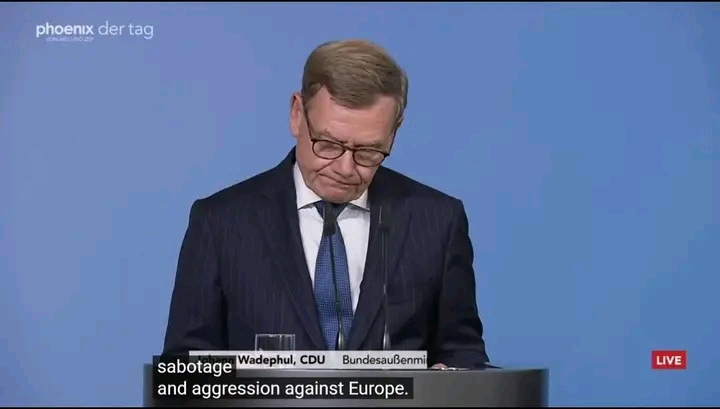
“Russia’s leadership confronts our country with open hostility,” Foreign Minister Johann Wadephul said. “I want to emphasize that this state of our relations is not in the interest of the German government. We expressly regret it.”
Germany did not seek this confrontation, but it is no longer avoiding what the evidence says. The failed attack targeted an airport central to European cargo operations, NATO logistics and Ukraine’s heavy-airlift network.
That is what makes this moment so significant. Europe is moving beyond treating sabotage as a collection of isolated domestic crimes. Germany is asking NATO to recognize it as part of a coordinated threat against the alliance and its support for Ukraine.
A Russian operation intended to intimidate one country may instead produce the collective response Moscow hoped to prevent.