
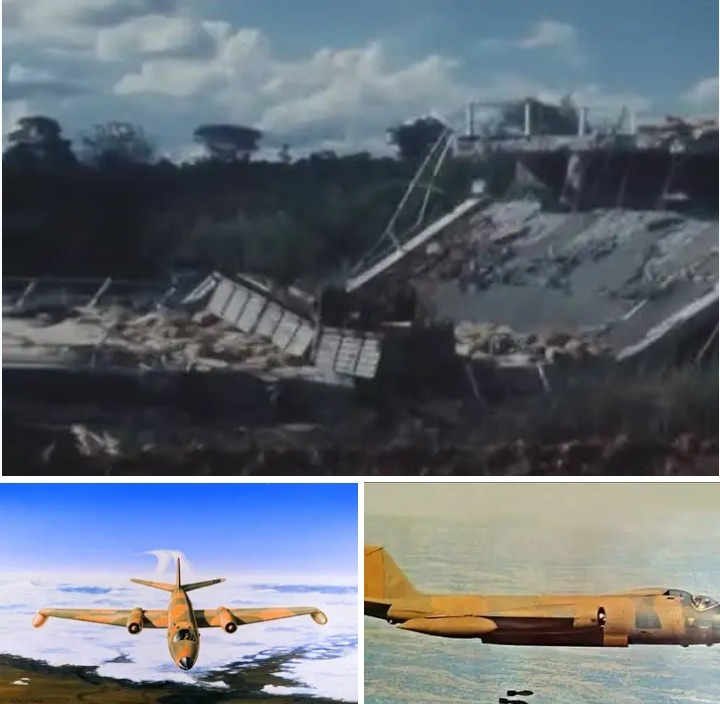
THE DEFENCE FILE: OPERATION CHEESE – WHEN ZAMBIA’S BRIDGES BECAME A BATTLEFIELD AND WHY CRITICAL INFRASTRUCTURE IS A DEFENSE AND SECURITY ISSUE
A bridge is just concrete and steel until an enemy discovers that your country cannot function without it. On 12 October 1979, Zambia learnt that lesson dramatically. Rhodesian special forces penetrated deep into Zambia and struck the Chambeshi road and railway bridges in Northern Province in the operation commonly known as Operation Cheese.
The railway bridge formed part of TAZARA, Zambia’s strategic railway connection to the Tanzanian port of Dar es Salaam. This was not random destruction. It was economic warfare. Destroy the bridge and you disrupt the railway. Disrupt the railway and you interrupt the movement of copper, imports, supplies and people. Interrupt those arteries and you begin placing pressure on the State itself. The damage was enormous.
Thousands of tonnes of cargo were stranded along TAZARA. About 20,000 tonnes of minerals had to be returned to the mines and redirected through other routes. Zambia reported that TAZARA was losing approximately K70,000 every day in 1979 money because of the disruption. The Chambeshi road bridge was also devastated. Three of its seven spans were wrecked. One special operation had produced consequences far beyond the battlefield.
That is why the protection of critical infrastructure is not merely a matter of ordinary policing. Critical infrastructures include bridges, railways, airports, power stations, dams, telecommunications, fuel and electricity supply installations, water systems, data infrastructure and strategic roads. Depending on their importance and the threat confronting the State, these assets form part of the wider national defence and security architectures.
Some threats may originate outside the country. Others may emerge from within. The State therefore possess the capacity to detect, assess and respond to both. Technology has transformed that task. Satellite imagery, aerial surveillance, sensors, communications systems, intelligence fusion and modern command centres can enable security institutions to observe strategic areas, identify unusual activity and build a much clearer picture of potential threats than was imaginable in 1979.
This is one of the great lessons of Chambeshi. YOU PROTECT IN PEACE WHAT AN ENEMY WILL TARGET IN WAR. The state identifies strategic assets beforehand. It studies their vulnerabilities beforehand. It assesses threats beforehand. It establishes responsibility beforehand. It watches beforehand. Where intelligence indicates danger, it acts within the law before vulnerability becomes catastrophe.
That is why national security frequently operates beyond ordinary public visibility. The State must see the danger before the public sees the disaster. That is preparedness, national defence and statecraft.
Saviour Chishimba
(Yehudah Ben David)
Founder & Principal
THE PEOPLE’S ACADEMY