

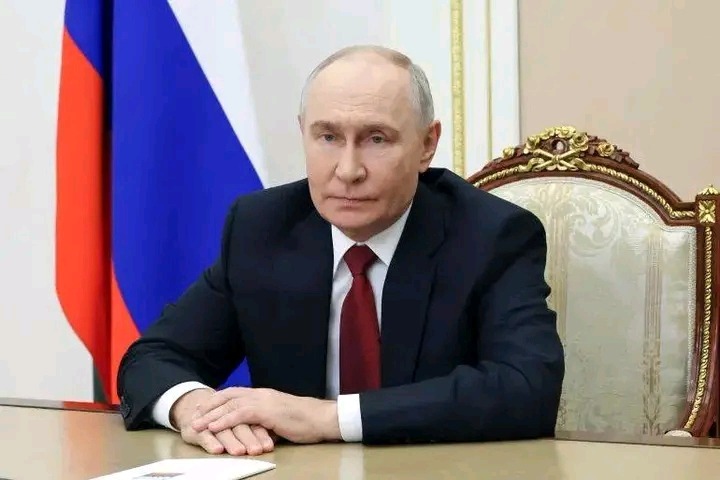
PUTIN’S WAR HAS OUTLASTED THE WAR RUSSIA BUILT ITS IDENTITY AROUND
Ukraine’s General Staff estimates that Russia has now lost more than 150,000 vehicles and fuel tankers since the beginning of the full-scale invasion. The category covers everything from supply trucks and troop transports to the fuel vehicles needed to keep Russian formations moving.
These are Ukrainian battlefield estimates and cannot all be independently verified, but their scale illustrates the industrial destruction being absorbed by Russia’s military.
For comparison, commonly cited Soviet figures from the entire decade-long war in Afghanistan include 11,369 cargo trucks and fuel tankers. Even after adding tanks, armored vehicles, artillery and other ground equipment, Soviet losses remained only a fraction of what Ukraine now reports from Putin’s war.
The deeper comparison is cultural.
For generations, Russia built much of its modern national identity around the “Great Patriotic War”—the Soviet struggle against Nazi Germany from June 1941 until May 1945. Victory Day became more than a commemoration. Under Vladimir Putin, it was transformed into a political religion used to define patriotism, justify militarism and teach Russians that war ultimately brings unity, sacrifice and triumph.
Putin’s invasion of Ukraine has now lasted around 250 days longer than that entire Soviet campaign against Germany.
But there is no liberated Berlin waiting at the end of this war. Kyiv did not fall in three days. Ukraine remains independent. Russia has sacrificed enormous numbers of soldiers and staggering quantities of equipment while gaining only limited territory at tremendous cost.
The “Great Patriotic War” existed in the Russian imagination through parades, medals, films and stories passed down through generations. The war against Ukraine is different because it is happening now. It arrives through funerals, wounded veterans, fuel shortages, mobilization notices and relatives who never return
Millions of people have been killed, wounded, displaced or permanently marked by Putin’s decision to invade. Russia’s government continues trying to manufacture another wave of wartime patriotism, but staged parades cannot indefinitely conceal the reality experienced by families across the country.
It is difficult to measure public opinion in an authoritarian state where criticism can lead to imprisonment. Yet one change is unavoidable: war is no longer a distant national myth in Russia. It is an exhausting present with no victory in sight.
Putin attempted to borrow the memory of 1945 to legitimize his invasion. Instead, his war is slowly consuming that mythology—replacing inherited stories of triumph with the lived reality of loss.