

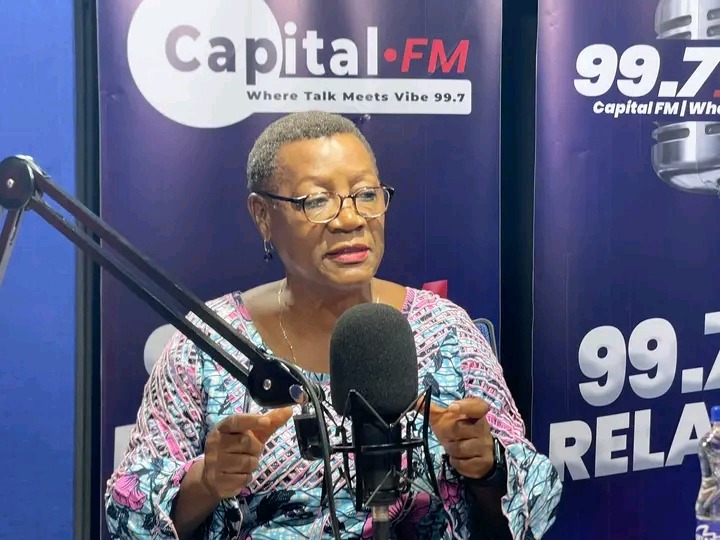
KATEKA QUESTIONS QUALITY OF PROPORTIONAL REPRESENTATION MPS
New Heritage Party leader Chishala Kateka has questioned whether Zambia’s proportional representation system will achieve meaningful parliamentary representation, arguing that inclusion of women, young people and differently abled persons should also be accompanied by quality and independence.
Speaking on Capital FM’s Conversations with HOPE, Ms Kateka said the inclusion of traditionally underrepresented groups appeared positive in principle but could present challenges in practice.
“I understand why people feel strongly about the inclusion of women, differently abled persons and young people in Parliament,” she said.
Ms Kateka said her concerns had been heightened after the appointment of the first 40 proportional representation Members of Parliament, particularly regarding the power political party officials wielded in determining who entered Parliament.
She said the system has allowed influential individuals to favour relatives, friends and associates, or even facilitate the sale of parliamentary positions.
“That is where the danger lies,” Ms Kateka said
She maintained that parliamentary representation should not be assessed merely by whether particular demographic groups were represented, but by the quality of their contribution to national debate and oversight.
“The fact that someone is a woman, a differently abled person or a young person does not automatically mean that they will enter Parliament prepared to make the right arguments for the country,” she said.
Ms Kateka also expressed concern over a statement by a recently appointed proportional representation MP suggesting that Zambia did not need democracy and development.
“I was therefore particularly concerned when I heard a recently appointed proportional representation Member of Parliament say that Zambia does not need democracy and development,” she said.
She recalled Zambia’s 27-year experience under a one-party system, arguing that the return to multiparty democracy followed national debate and a collective decision by citizens.
“The return to multiparty democracy was not an accident,” Ms Kateka said.
She further warned against decisions that could reverse democratic gains and said Parliament should remain a platform for substantive national debate.
“For me, that particular statement personifies the fear I have about a system where people are placed in Parliament primarily because of who nominated them,” she said.
Ms Kateka said representation should ultimately encompass quality, independence and substance, rather than numbers alone.
“Representation should not simply be about numbers or fulfilling categories,” she said.