DRIVERS, COURIERS TAKE YANGO-LINKED FIRMS TO COURT OVER BENEFITS
Lusaka… Monday October 12, 2026
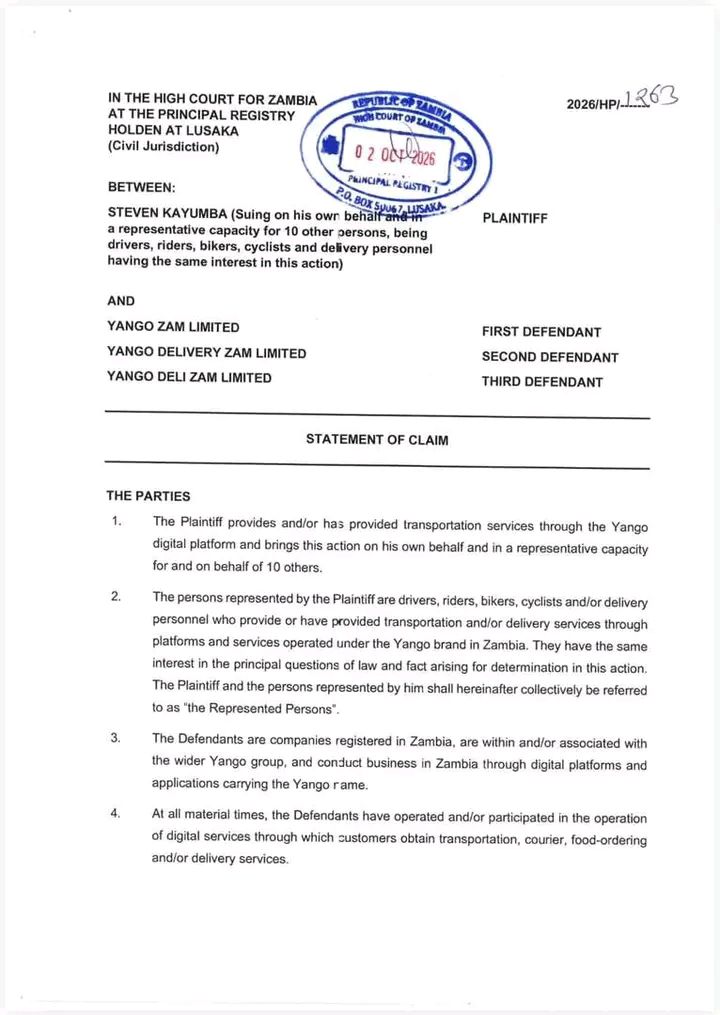
A group of drivers and delivery workers operating through Yango-branded digital platforms in Zambia has taken three companies associated with the service to the High Court, seeking recognition as employees and access to statutory employment benefits.
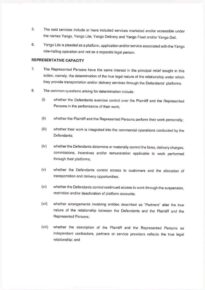
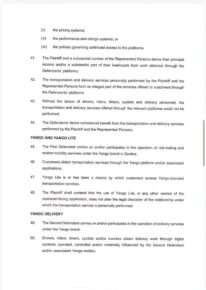
In a Statement of Claim filed in the High Court for Zambia at the Principal Registry in Lusaka, Steven Kayumba, suing on his own behalf and in a representative capacity for 10 other people, argues that the workers’ relationship with Yango Zam Limited, Yango Delivery Zam Limited and Yango Deli Zam Limited amounts to employment rather than independent contracting.
The claim covers drivers, riders, bikers, cyclists and delivery personnel who provide or have provided transportation and delivery services through platforms operating under the Yango brand.
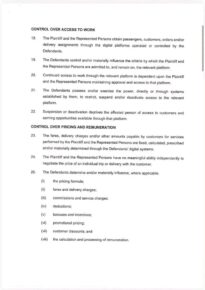
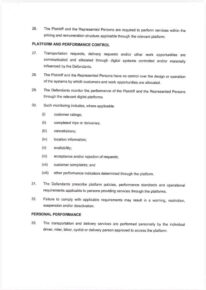
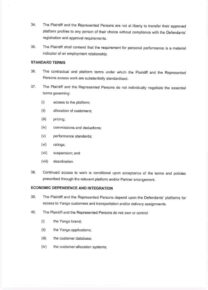
Mr. Kayumba contends that the companies exercise significant control over how the workers obtain and perform their work, including setting or influencing fares, delivery charges, commissions, incentives and other remuneration arrangements.
He argues that workers have limited ability to negotiate prices directly with customers and depend on the platforms for access to customers and earning opportunities.
The statement further alleges that the companies control or materially influence the allocation of trips and deliveries, monitor workers’ performance through customer ratings and other indicators, and can restrict, suspend or deactivate accounts.
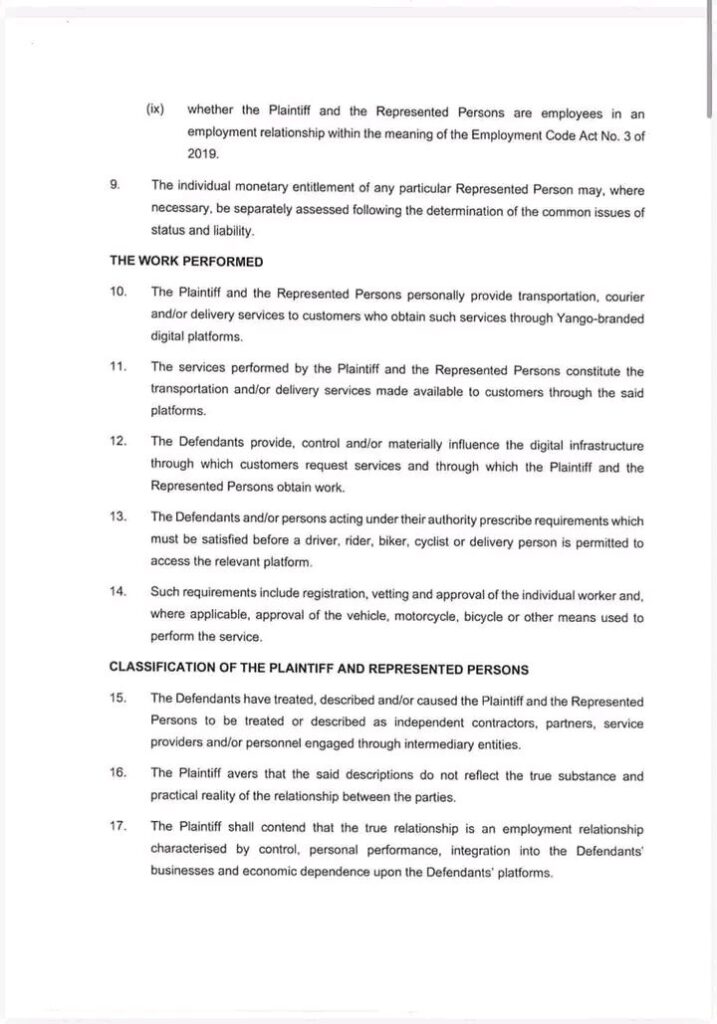
According to the claim, these arrangements, combined with requirements for personal performance and the integration of drivers’ and couriers’ work into the companies’ commercial operations, support the argument that an employment relationship exists.
The plaintiff also challenges the use of intermediary entities described as “Partners”, fleet operators or service partners, arguing that such arrangements should not, by themselves, determine the workers’ legal status.
The claim states that the true nature of the relationship should be assessed on the basis of the practical circumstances under which the work is performed, rather than solely on contractual descriptions such as independent contractor, partner or service provider.
Mr. Kayumba relies on the Employment Code Act No. 3 of 2019 in asking the court to determine whether the workers qualify as employees of the relevant companies.
If the court finds in their favour, the workers are seeking recognition and regularisation of their employment status, together with an assessment and payment of any accrued statutory entitlements established to be due.
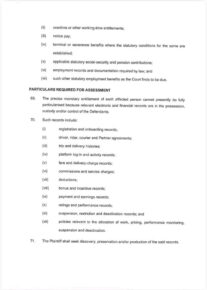
These may include annual leave or leave pay, overtime and other working-time entitlements, notice pay, qualifying terminal or severance benefits, statutory social-security and pension contributions, and employment records required by law.
The plaintiff is also seeking an account of any sums owed, interest on monetary awards, legal costs and orders requiring the companies to disclose records necessary to determine the claims.
The statement says the precise amounts owed to individual workers cannot yet be fully calculated because relevant records are allegedly in the possession or control of the defendants.
Such records include driver and courier agreements, registration documents, trip and delivery histories, earnings and payment records, commissions, deductions, incentives, performance ratings and records of account suspensions or deactivations.
The plaintiff is asking the court to order the preservation and production of these records to facilitate the assessment of individual claims.
The court action follows a demand letter dated June 8, 2026, through which the plaintiff and other affected drivers, acting through their legal practitioners, sought recognition and regularisation of their employment status and the associated statutory rights and benefits.
According to the statement, the demand did not resolve the dispute, prompting the commencement of legal proceedings.
The court has been asked to determine which of the three companies, individually or collectively as applicable, should be regarded as the employer of the plaintiff and the different categories of workers represented in the action.
-Zambian Whistleblower